June 17, 2017 - Niagara Falls
Marion Nash Reports:
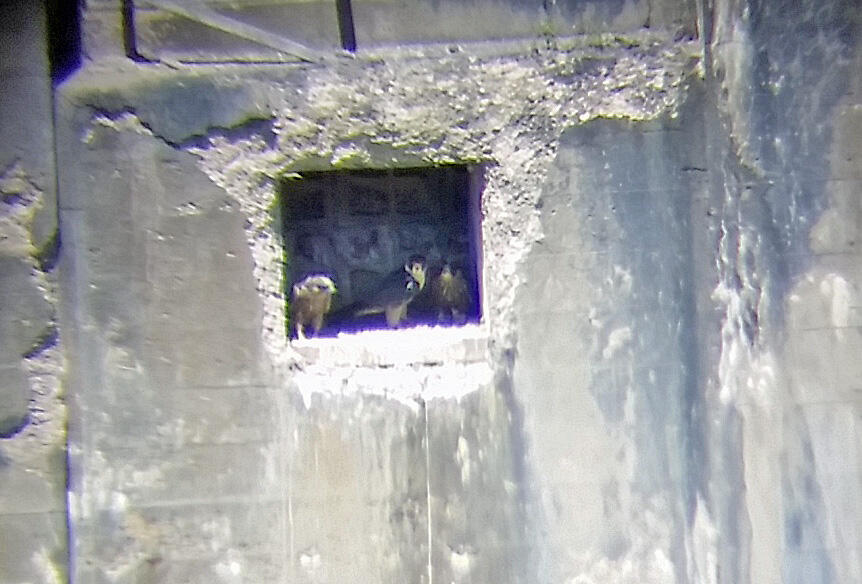
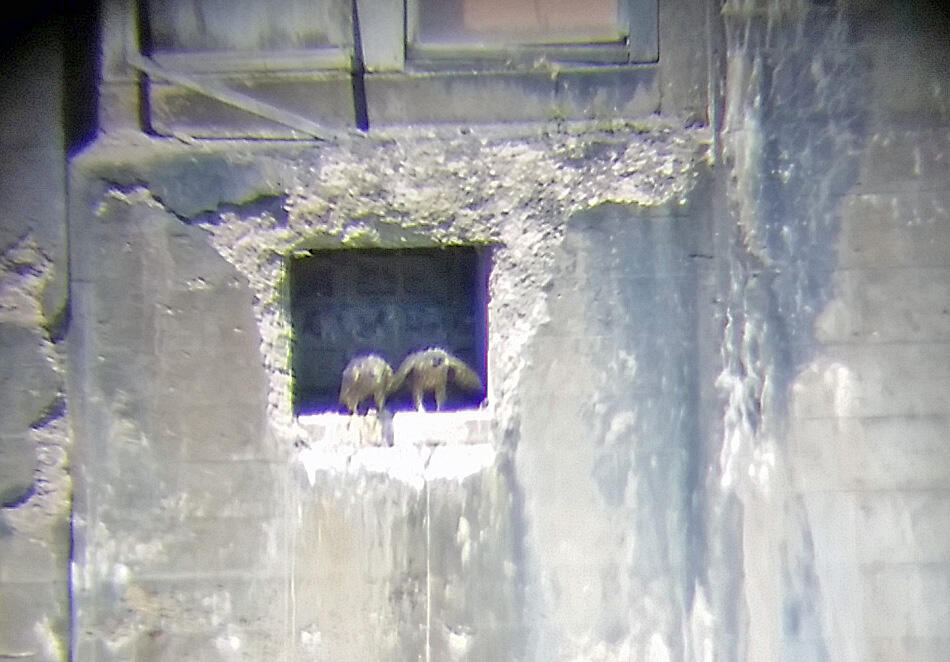
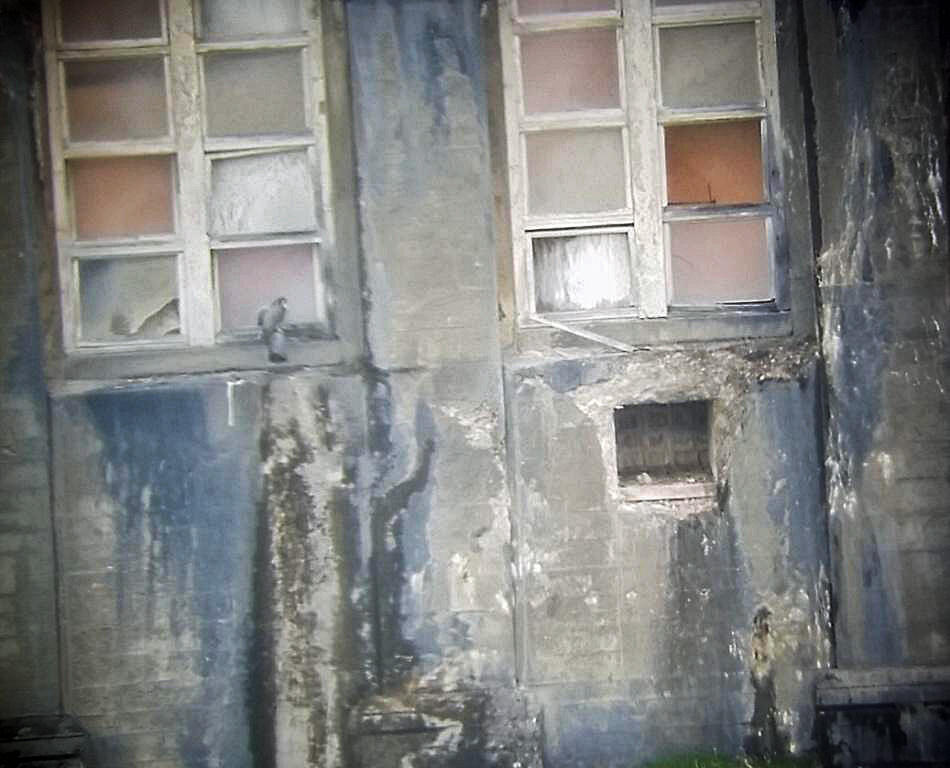
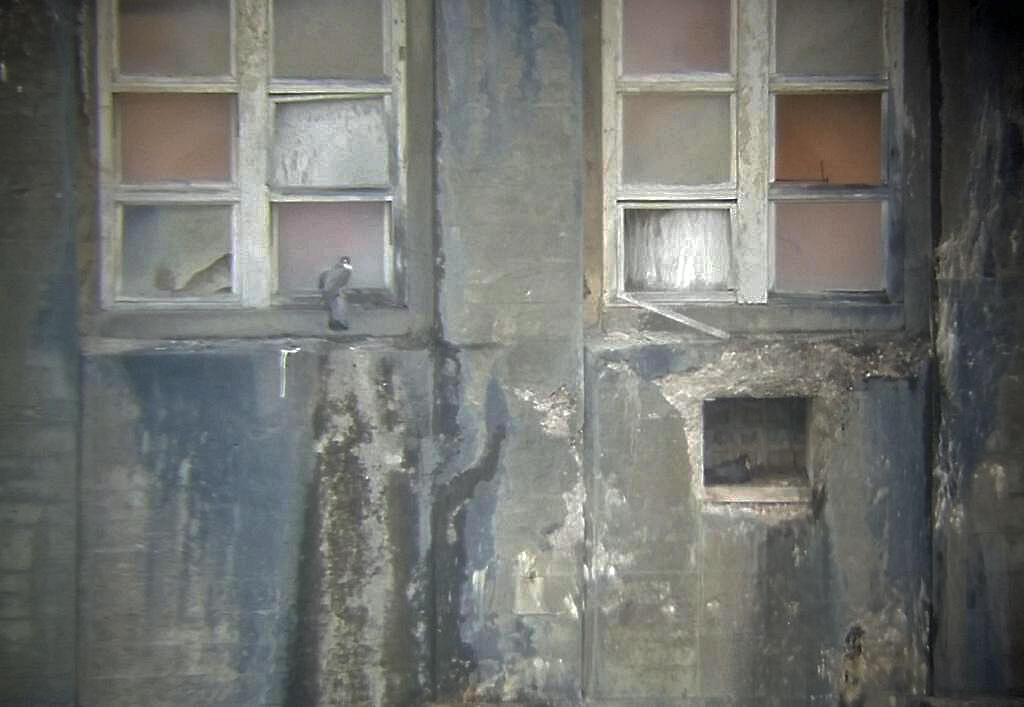
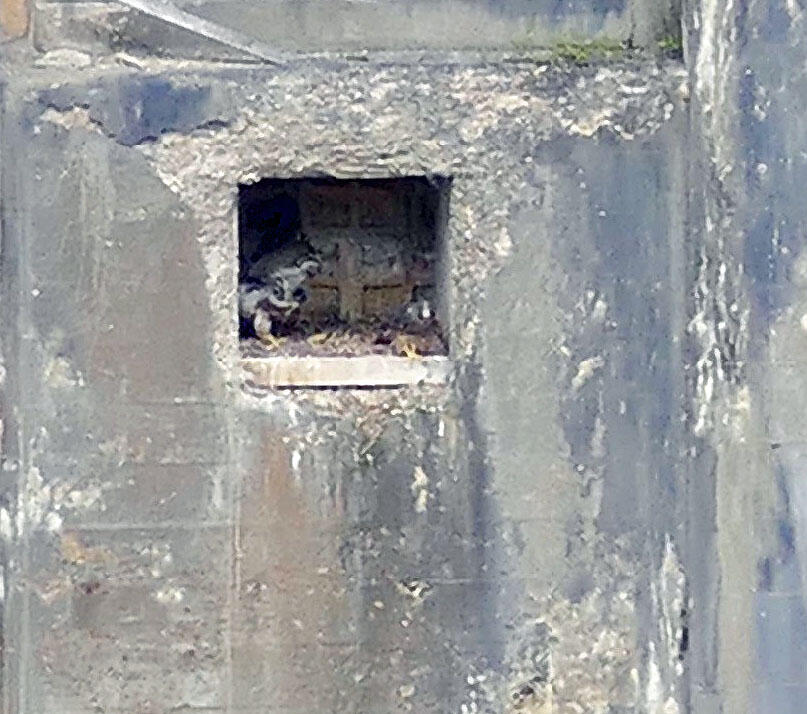
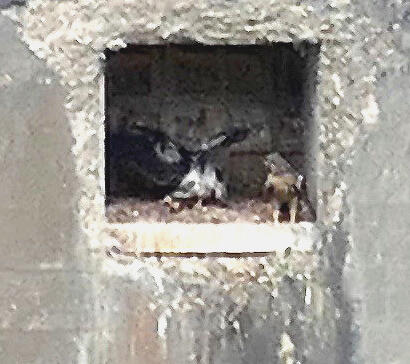
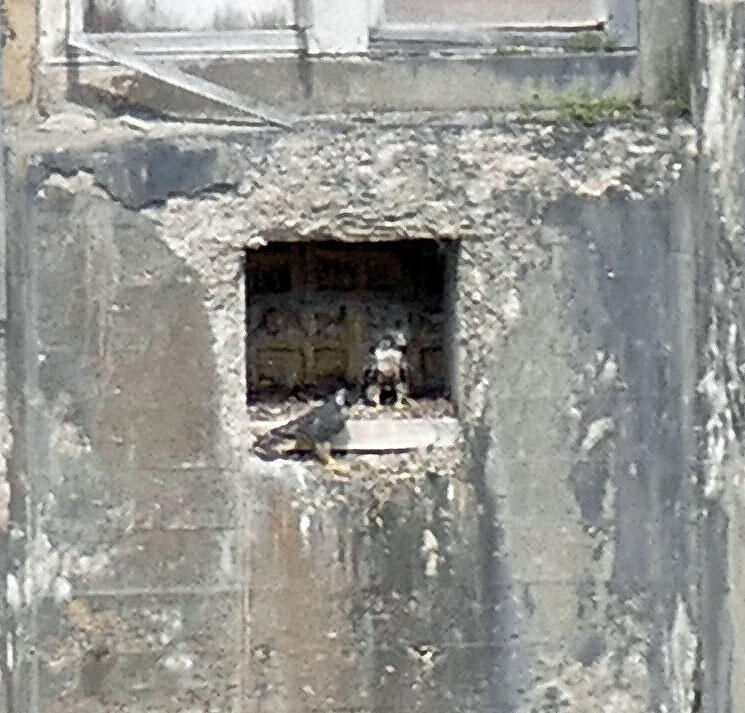
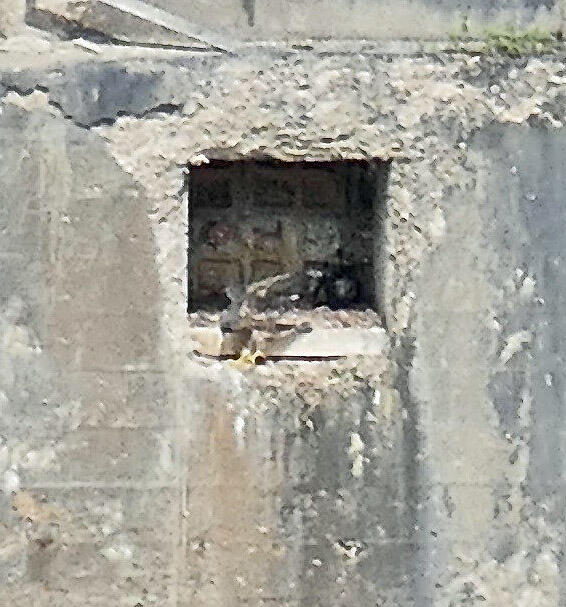
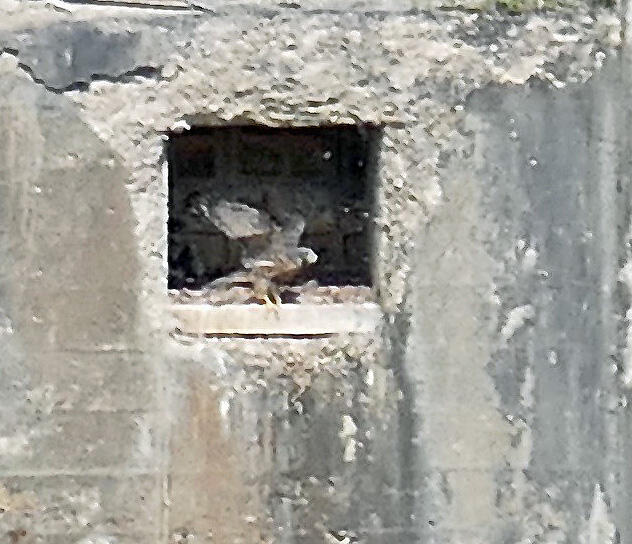
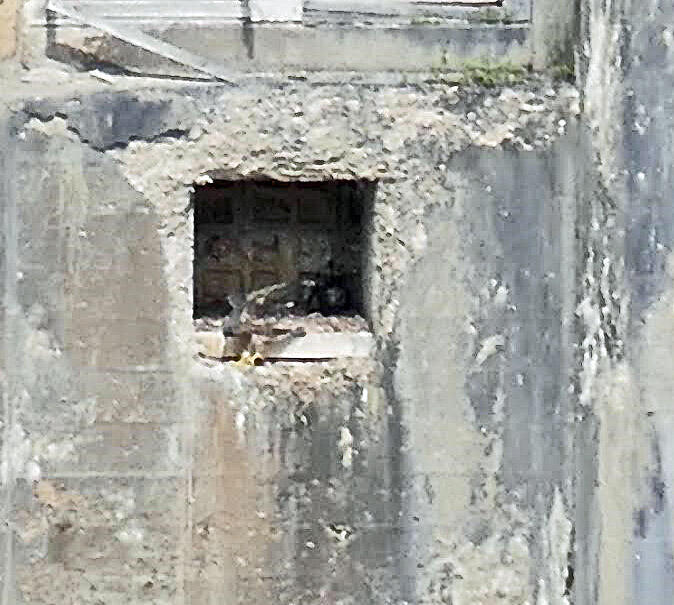
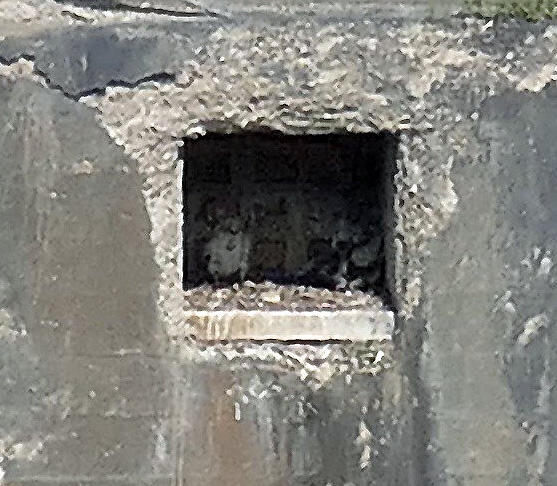
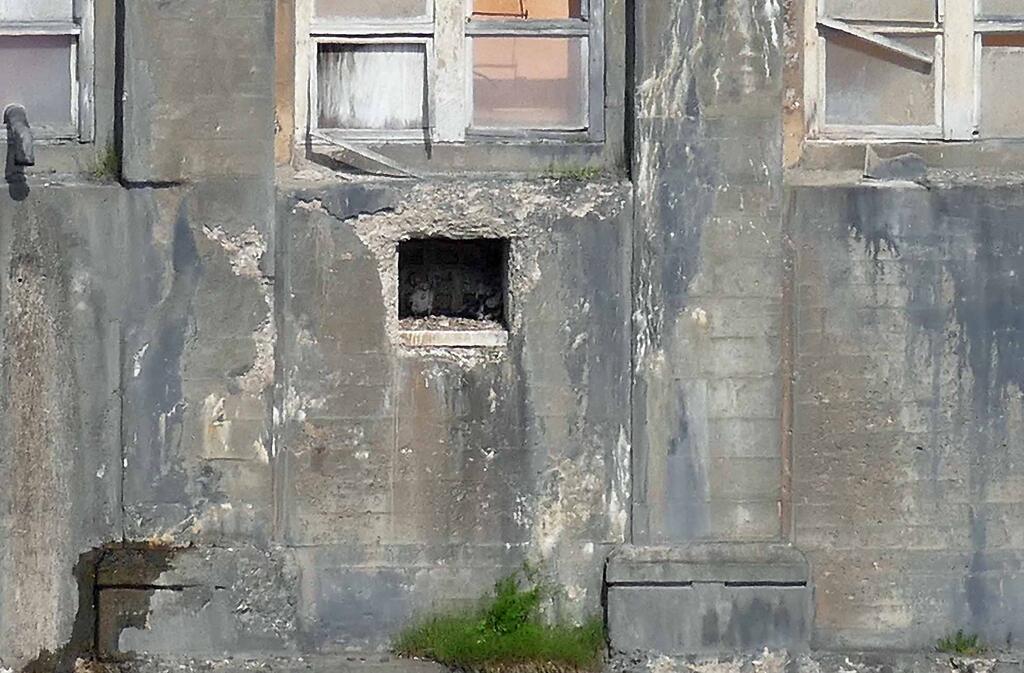
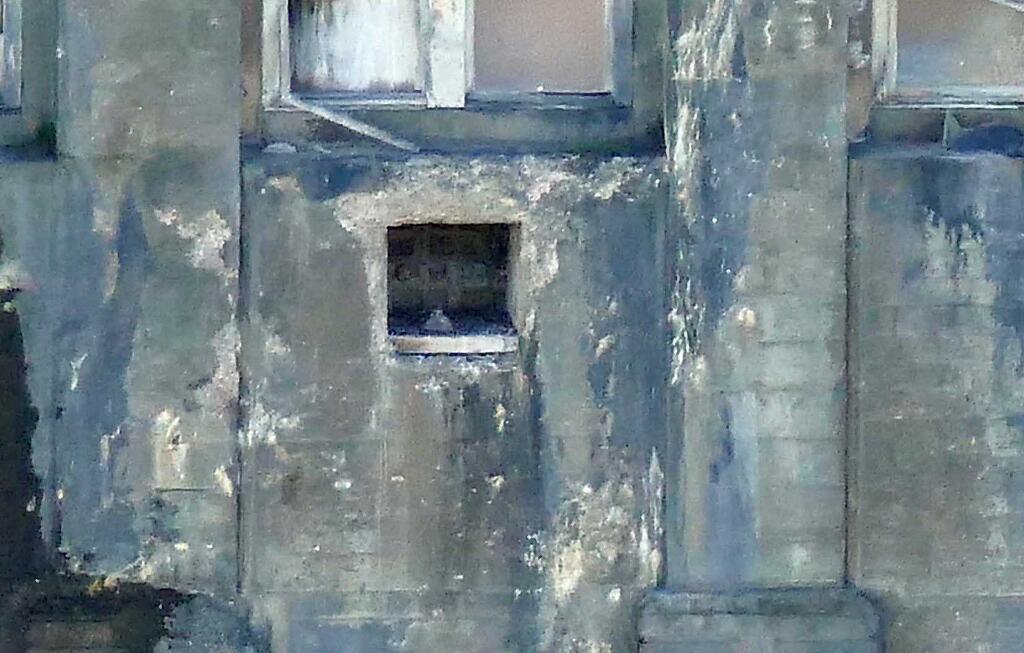
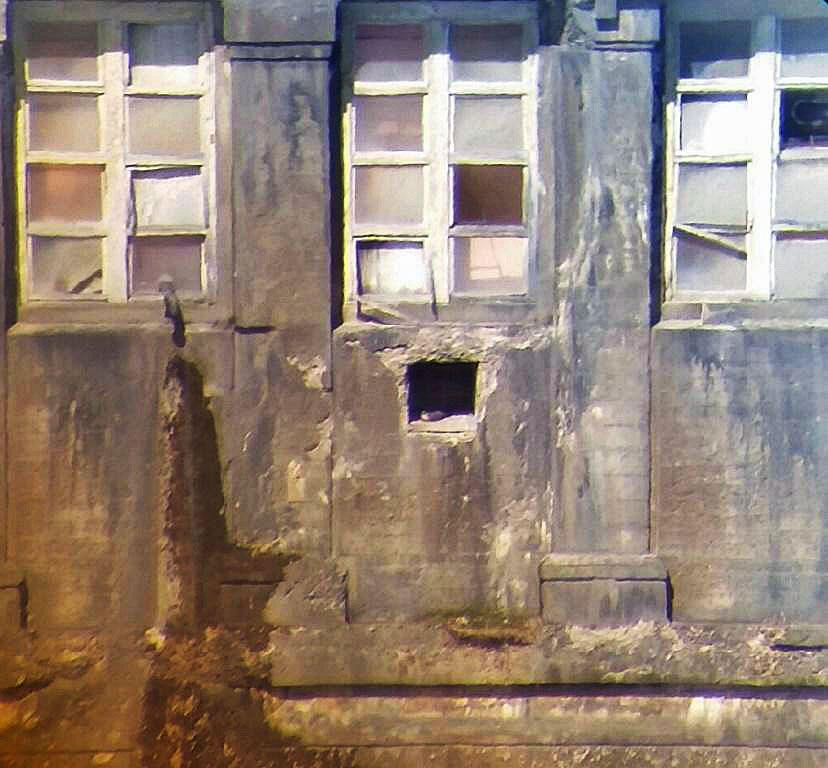
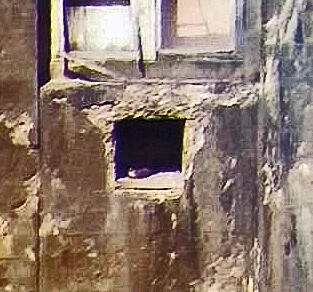
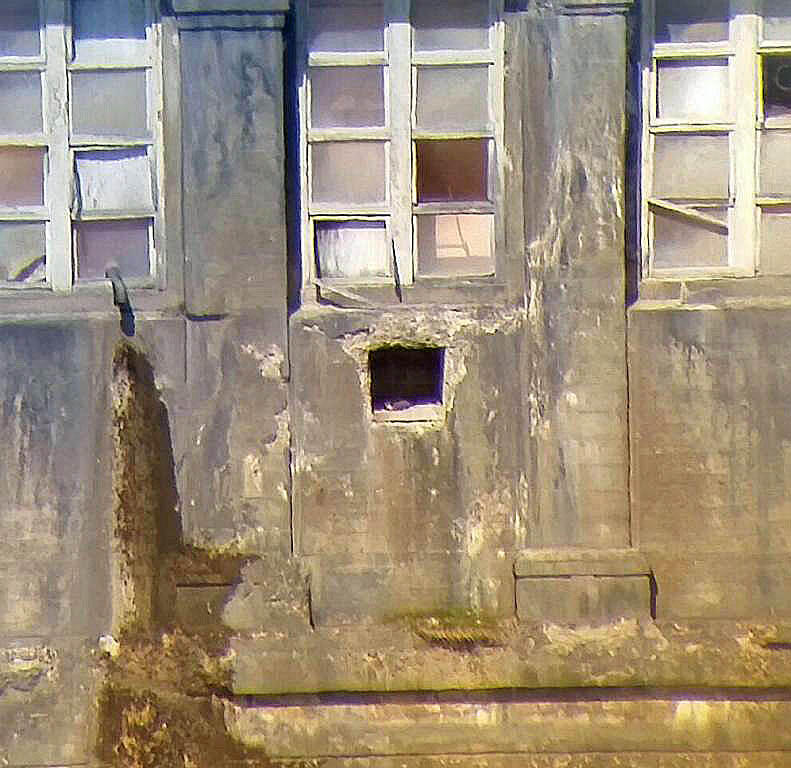
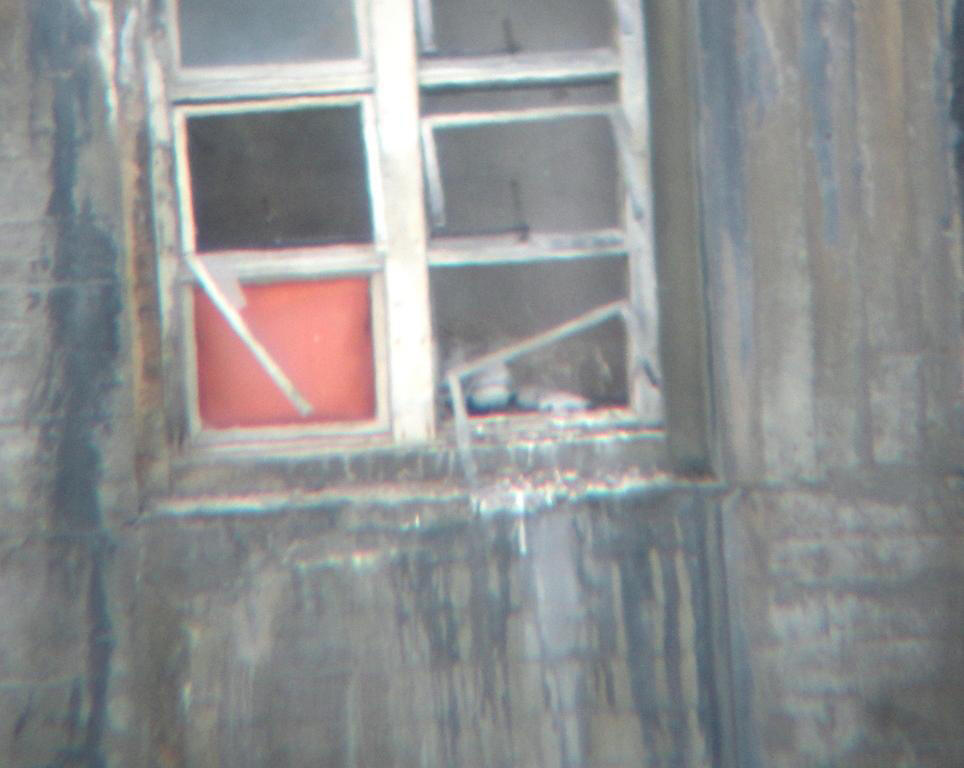
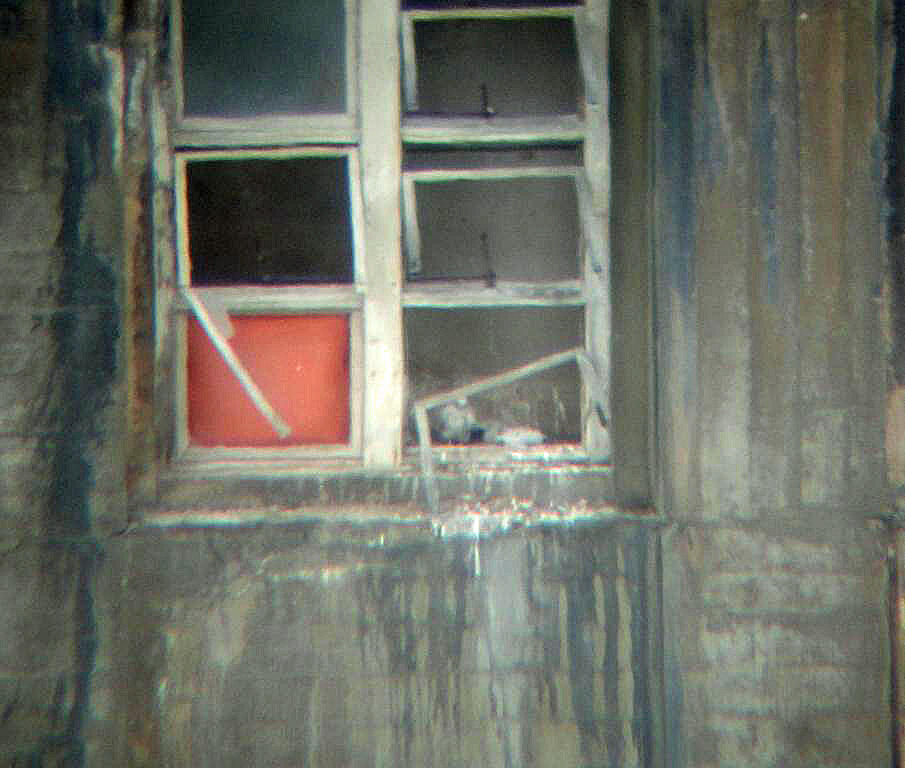
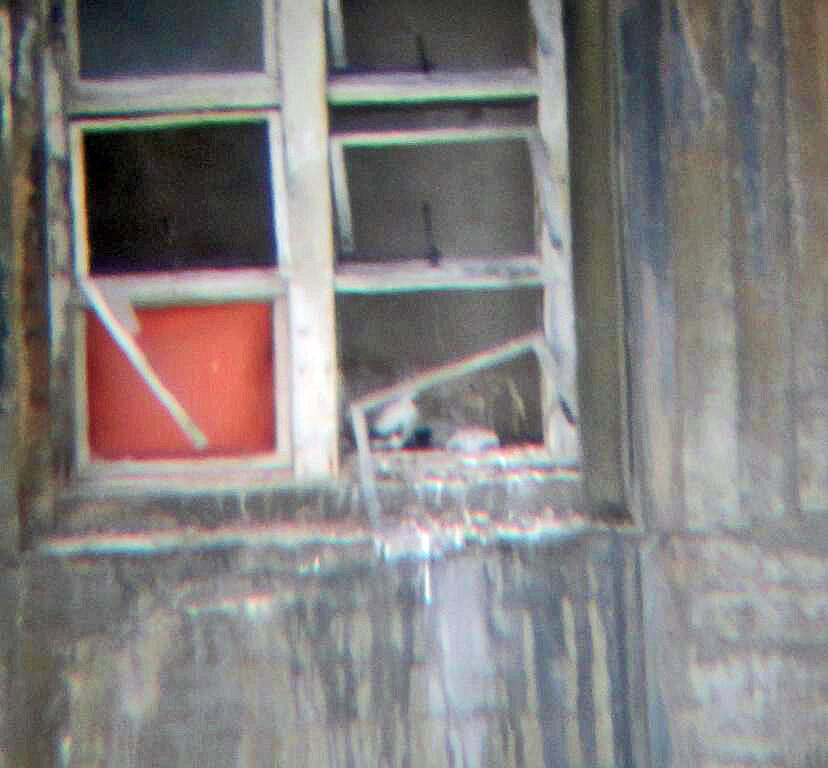
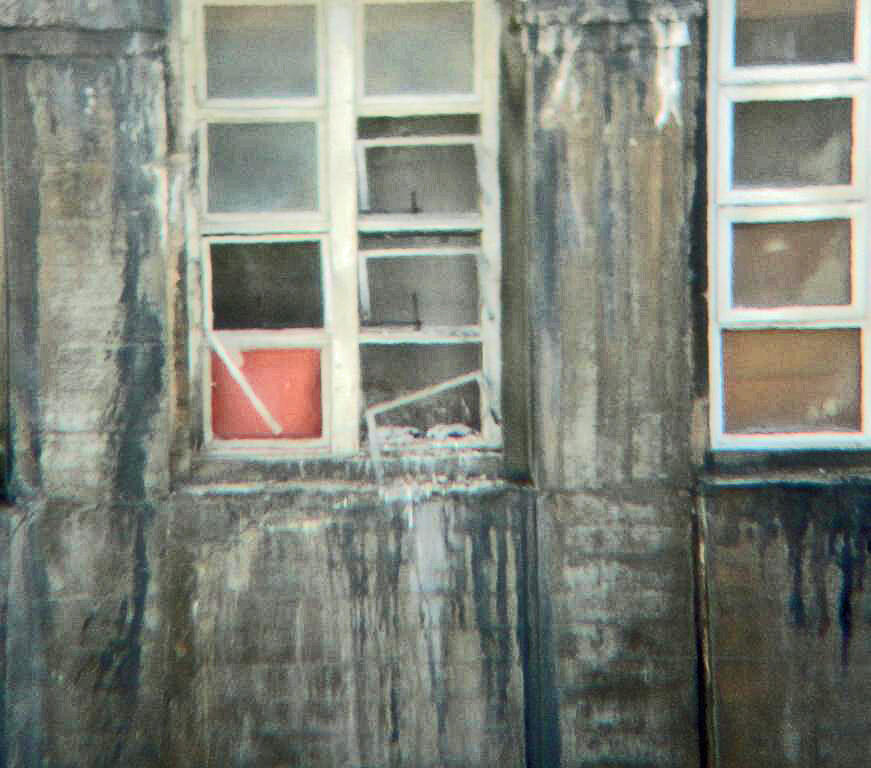
Our friends from the south checked the nest using high power scope and found no activity and no eggs. Looks like the nest failed this year.
Posted on June 17, 2017 11:42 am
June 22, 2016 - Niagara Falls
Mark Nash Reports:
June 22nd - 2016
Some good news for the Niagara Falls peregrines!
A big thank you again to Jacquie again from the New York Department of Conservation - (N.Y.D.E.C.) which is New York’s state equivalent of our provincial wildlife resources here in Ontario - (Ontario Ministry of Natural Resources and Forests) for her update and new photos of the Niagara Falls peregrines.
The Canadian Peregrine foundation has worked closely and in partnership with the N.Y.D.E.C. off and on over the past 16 years on the various peregrine programs that we have all been involved in, and its nice to know that our good friends to the south are still there for us as in this case.
Sadly, we are unable to see the Niagara Falls peregrines nest from the Canadian side so monitoring the nesting pair and their activities in the nest cavity is impossible. The only way to see the nest cavity is from the USA side looking back to the Canadian side. While it is quite a distance to see across the Niagara Gorge from the U.S. side, Jacquie has got it pretty good!!! 
Jacquie writes:
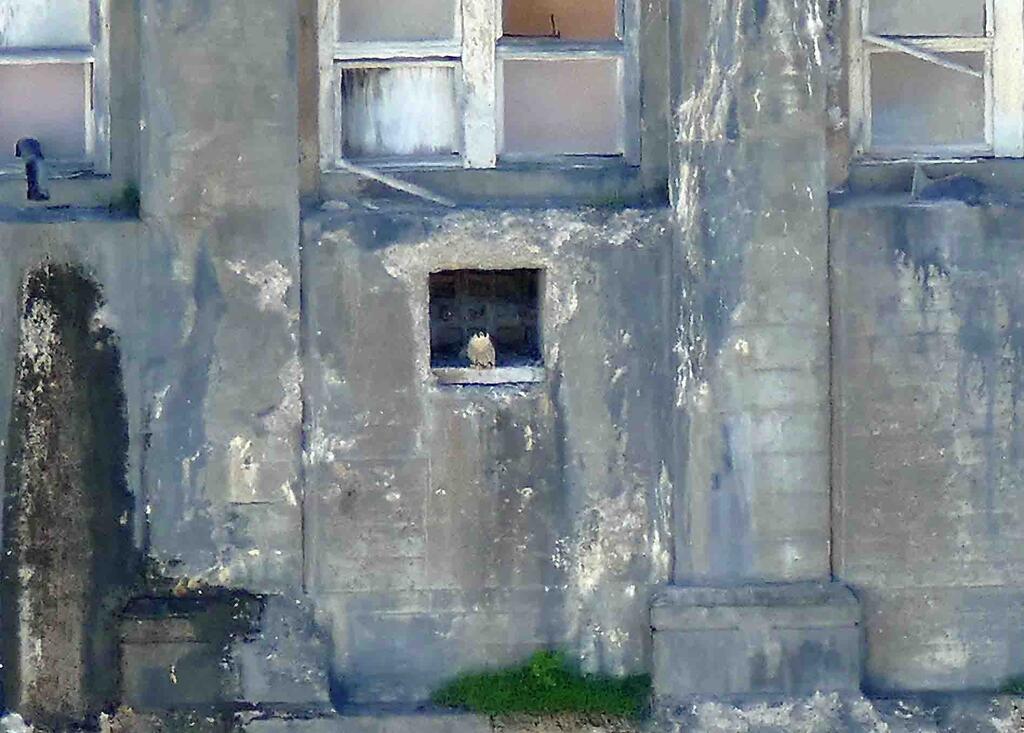
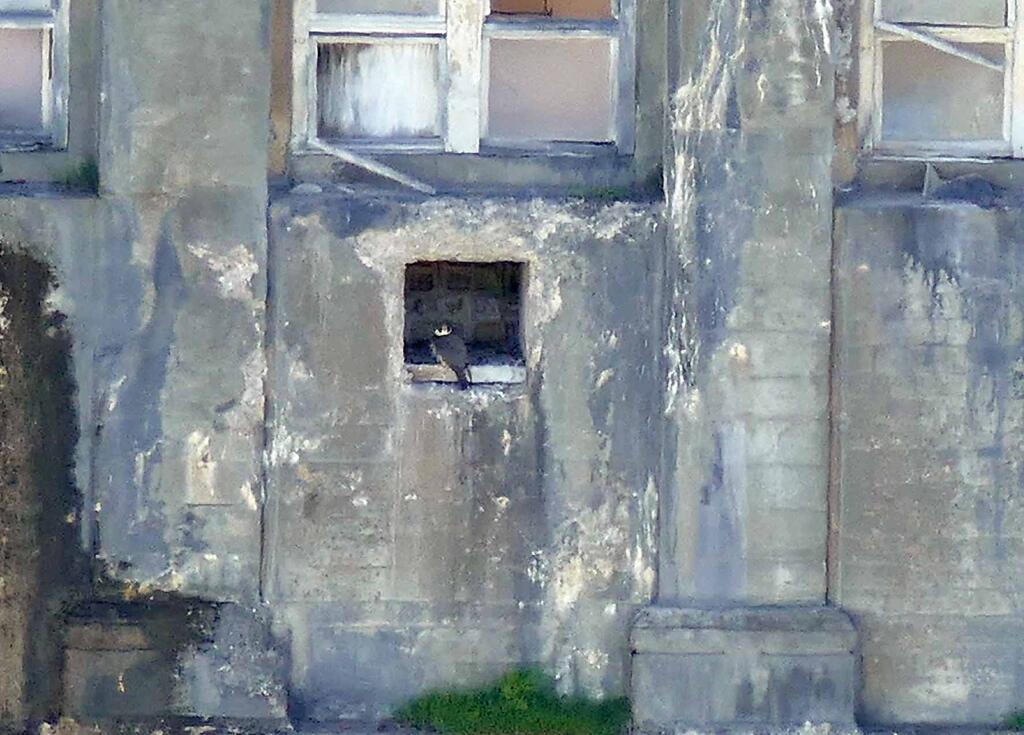
A quick update on the Niagara Falls nest! I was there on Wednesday, June 22, and found the female in the box with two juvies that looked just about ready to fledge (~ 39 days). I scanned all over the old OPG building with my scope, but did not see any other fledges, so it looks like just two for this site this year. I attached a couple photos.
Jacquie
Posted on June 26, 2016 11:27 am
May 30, 2016 - Niagara Falls
CPF Volunteer Reports:
May 17th - 2016
A huge thank you to Jacquie from the New York Department of Environmental Conservation - (NYDEC) for sending in some of her observations and photos clearly showing that the Niagara Falls peregrines have had a hatch!! Great shots indeed given that Jacquie has been shooting from the USA side with some incredible distances involved!! Great shots Jacquie!!!!
Sadly, as you know, the Niagara Falls Park Commission will no longer allow us to access the site to band the hatchlings, sighting unsafe roof conditions??????
I guess only a huge bucket of money and a dare-devil act has the power 
Jacquie writes:
Hi All,
I just wanted to give you guys a quick update on the Niagara Falls nest site. The top of Terrapin Point on the US side had been closed off for construction, but I finally got a chance to access it when they opened it back up recently. I was there on May 17, and spotted both adults at the box. The female was sitting on the nest and the male was perched on a pipe next to the nest. She flew off, revealing two recent hatches underneath her. It’s pretty far away to age with complete accuracy, but it looked like two 2-3 day old chicks and at least one (possibly 2) eggs. The female came back in with a prey item and fed the two little ones. I was able to see that she is banded, and presumably still “Diamond”, but I could not get a look at the male’s legs to see if he was banded or not. I know last year “Duncan” showed up, (replacing the non-banded Onyx?), and he had been our resident male at the South Grand Island Bridge nest site. I just banded the South GI Bridge nest and both the adults were non-banded, so maybe Duncan is still the male at Niagara Falls.
Hopefully, someone with a really good lens can get a look at him at some point.
I attached a couple photos for you. They were digiscoped, so not excellent quality.
Hope your Peregrine season is going well.
Jacquie
Posted on May 30, 2016 12:30 pm
July 16, 2015 - Niagara Falls
Mark Nash Reports:
July 2015
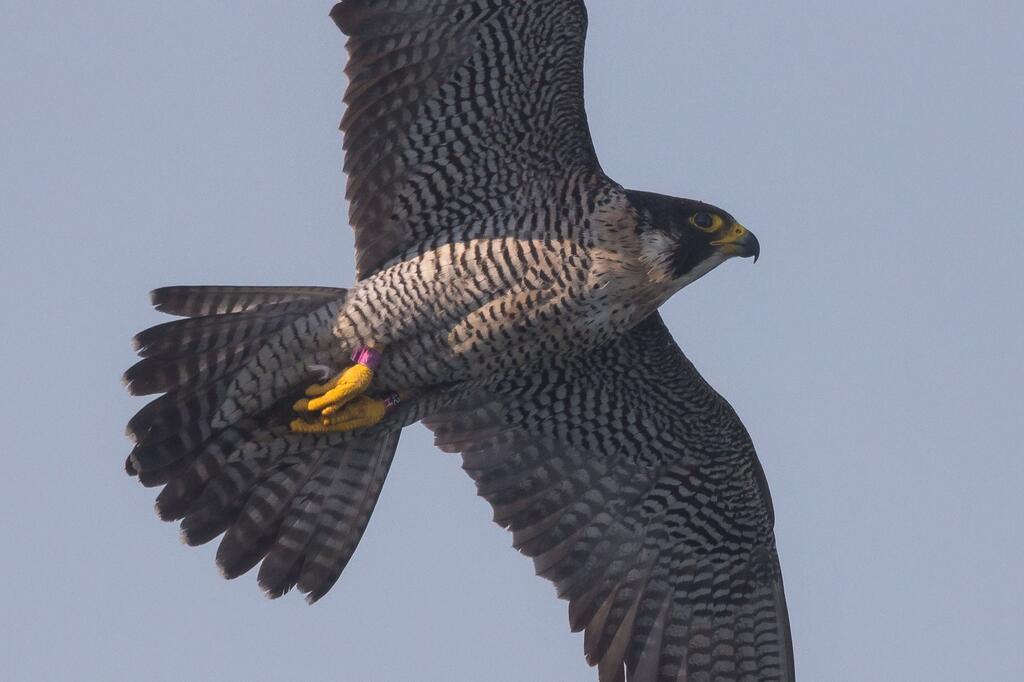
Just a quickly update on the “Who’s Who” at the Niagara Falls nest site. A big thank you to Mike Veltri who has been visiting Niagara Falls and taking some incredible photos of the Niagara falls peregrines. While he has promised to send in some of his shots that we want to share with you, he has captured a great shot of the resident adult female and her leg bands that we can share with you. We can confirm via his photos that the resident adult female is still non-other than Diamond!
See here in one of Mikes photos, you can clearly see Diamond’s leg band identification - Black 42 over Red H with a Purple coloured USFW band.
We can also confirm the resident adult male is Duncan from Hamilton- Black 32 over V
Stay tuned for more photos of the family, including some incredible shots of the fledglings!
Posted on July 17, 2015 12:32 am
July 04, 2015 - Niagara Falls
CPF Postmaster Reports:
July 4th - 2015
Some very interesting news indeed from Connie in N.Y. as she has reported after seeing recent photographs of the resident adult male at the Niagara Falls nest site, that there has in fact been a change-over, as Onyx is no longer the resident adult male at the Niagara Falls nest site.
After checking the CPF banding database, the Black band number 32 over V that was photographed on the resident male in Niagara Falls turns out to be a 2008 Sheraton Hamilton produced bird that was named Duncan - (after one of the banders that was involved years ago banding some of the Hamilton peregrines).
We had several earlier reports of Duncan actually having been observed nesting in New York state in 2010, but these records seem to be incomplete on our updated banding data base. We will be checking the old data files to see if we still have the older historical notes that were attached to the this record and report our findings.
While we can’t positively confirm that the resident adult female is still Diamond, she is till believed to be the resident adult female at this nest site.
As far as banding, to answer many of your recent questions, sadly, this will not be possible.
Despite the fact that we have certified highly trained high-altitude climbers that actually are the folks that ascend down to (or repel up to) the many nest sites that are banded each year to extract the young peregrines, (the same certified climbers that actually train many of the Canadian law enforcement personnel, the Emergency Task Force (ETF), and many of the Fire department staff for their high-altitude rescue training, people that do this for a living, (not for a publicity stunt), the Canadian Niagara Parks Commission will no longer allow access for us to band the hatchlings, so unfortunately there will be no way to ever identify or follow any of the surviving fledglings.
Banding as you know, helps all of our provincial, federal and state wildlife authorities monitor and manage the species throughout its recovery, as it is one of the most effective ways to understand and monitor the individual birds movements, nesting, and of course the species mortality (among many other important data that comes out of monitoring the species).
I guess there is simply no money in it for them??? Perhaps we should have been asking Nik Wallenda all this time for a publicity stunt type peregrine banding event?? Hmmmm, sell tickets and attract sponsorship?
In any case, stay tuned for a more detailed update to follow………..
Posted on July 5, 2015 2:40 pm
July 02, 2015 - Niagara Falls
CPF Postmaster Reports:
July 2nd- 2015
Hi All,
We checked the Niagara gorge nest yesterday, July 2, and these pix are from that visit. Today we were silly enough to go again, thinking the July 4th traffic would be tomorrow. Hahahaa! Oh yes! Gazillions of visitors today! These pix are better anyway though they are not great, at least we can see TWO PEFAS in the box.
John emailed Connie at the DEC yesterday to say that he saw a fledge above the nest, up on the top edge. I could not find the fledge today though, or Onyx or Diamond either.
So it would seem that we have maybe three peregrine kids, one may already be fledged and two still in the nest, which is great! We’ll go back Monday and try to get more info and pix.
Vicki
Posted on July 4, 2015 1:15 pm
June 22, 2015 - Niagara Falls
Mark Nash Reports:
June 22nd- 2015
Wow! We were very surprised yesterday to find what looked more like two eyasses in the nest box! They also seem quite young in comparison to our western NY Peregrines which have all fledged by now.
We will check back on these little ones and keep you posted!
Sage
Posted on June 22, 2015 11:13 pm
June 06, 2015 - Niagara Falls
CPF Postmaster Reports:
June 3rd - 2015
A big thank you to Vicky and her efforts to get some additional information on the Niagara Falls peregrines. As you know, the only way to get any views of the nest in the Canadian side at the old Ontario Power generation plant is to view it from the USA side of the Niagara gorge. Vicky was able to get back down to the Niagara Gorge this week and was able to photograph the nest site.
It appears that the resident adult peregrines have returned back to the original nest cavity where we had installed the nest tray for them several years ago. It would also appear by all accounts via Vickys observations and photos, that the pair have been successful in producing at least one hatchling as evident via her photos.
Remembering that she is shooting from the USA side, along way across the gorge, typically under the worst conditions of distance and constant mist coming from the two falls! Great shots given all of the challenges!!!
Sadly, we are to understand that the Canadian Niagara Parks Commission will no longer allow access to the site to be able to band the hatchlings, claiming unsafe conditions on the old power station roof. Hmmm, I guess we’ll have to figure out a way to turn a peregrine banding event into a money making stunt?
Vicky writes:
Hi All,
We went to NF to check the nest site. Here is what I posted to my Peregrine page:
Niagara Falls Gorge
Assuming the adults are still Onyx and Diamond, (sadly no way to confirm given the distances involved), they chose to go back to the nest tray provided for them by the Canadian Peregrine Foundation a few years ago. When the parent left the box, it appeared there was just one hatchling in the tray. Zooming in on the photos with my computer, I did not see any eggs. It seems this year many sites are having fewer successful hatches despite a normal number of eggs. The weather in the northeast was bitter cold during incubation season and I expect this is the main problem with fewer hatches.
Vicki Kadow (Sage) & Roger Johnson
Posted on June 6, 2015 11:31 pm
May 07, 2015 - Niagara Falls
Mark Nash Reports:
May 7th - 2015
A big thank you to Jacquie for her update and news on the Niagara Falls peregrines! Pretty amazing photos given that they were taken with her camera phone through a spotting scope eyepiece,, (at some very long distances I might add), from the USA side of the Niagara gorge!!
Thanks MUCH Jacquie!!!!
Jacquie writes:
Hi Mark,
Happy Peregrine season! I hope all is well with you.
I just wanted to pass on some info for the Niagara Gorge nest. I was there on April 29 and witnessed a “changing of the guard” at the nest, with the male flying in to take over for the female. I was there again today and the female was sitting tight on the nest, so they are still incubating. The nest has moved again this year, and they are back in the old nest hole, in that lovely nesting tray you guys built for them a couple years ago. So they are nice and observable again this year. I attached two of my photos from April 29. They are not the greatest quality; I took them with my phone through my spotting scope.
Jacquie
P.S. There is still ice at the top of the falls and on terrapin point!
Posted on May 8, 2015 11:19 am
June 12, 2014 - Niagara Falls
Mark Nash Reports:
June 11th - 2014Hello all! I hope you are all doing well.
Just wanted to give you an update on the Niagara Falls Peregrine nest. They have once again nested behind that pink boarded up window on the OPG building. I was at Goat Island yesterday and saw four babies in there. They look to be about 28-days old, so an estimated hatching date of about May 15.
Jacquie
Posted on June 14, 2014 1:03 am