March 12, 2024 - Toronto - Don Mills
Cathy Kerr Reports:
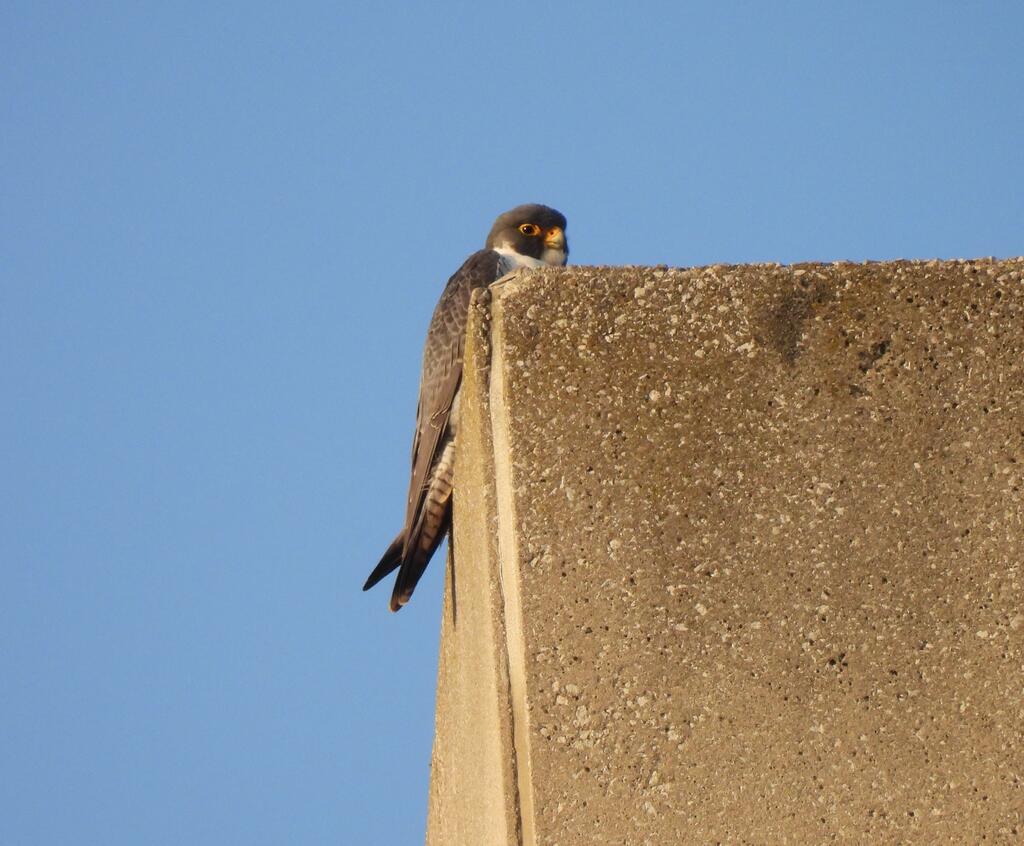
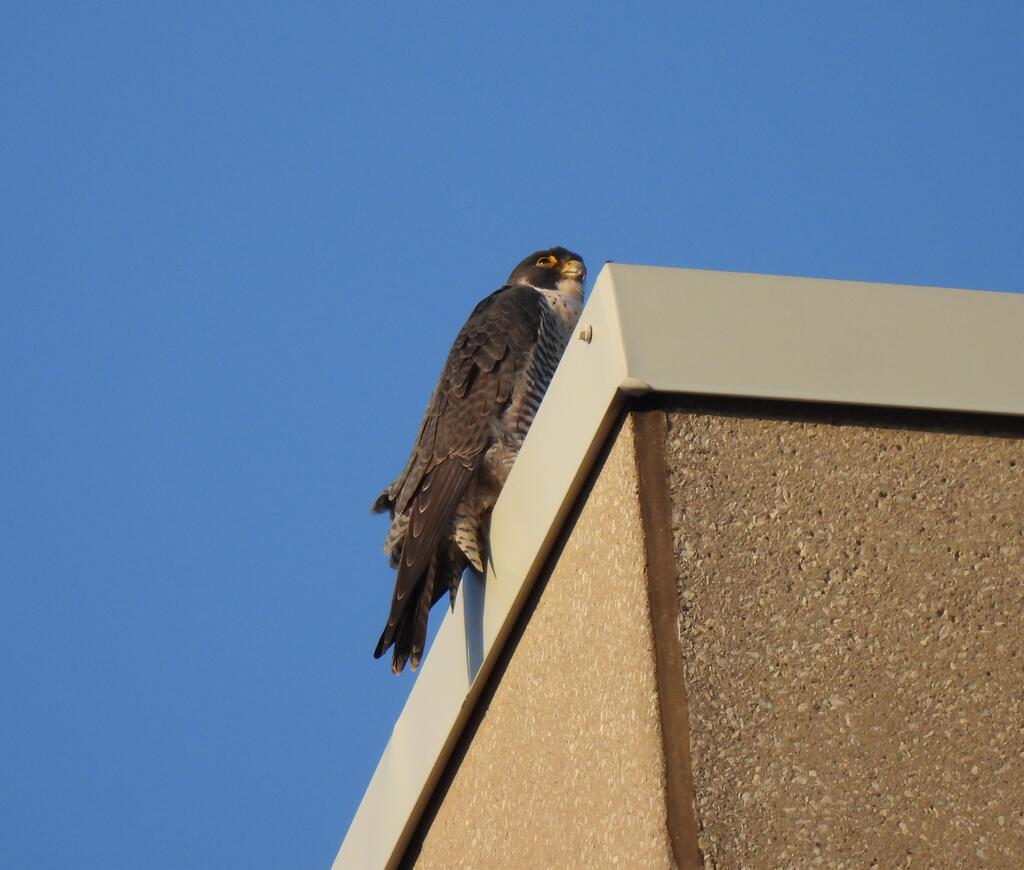
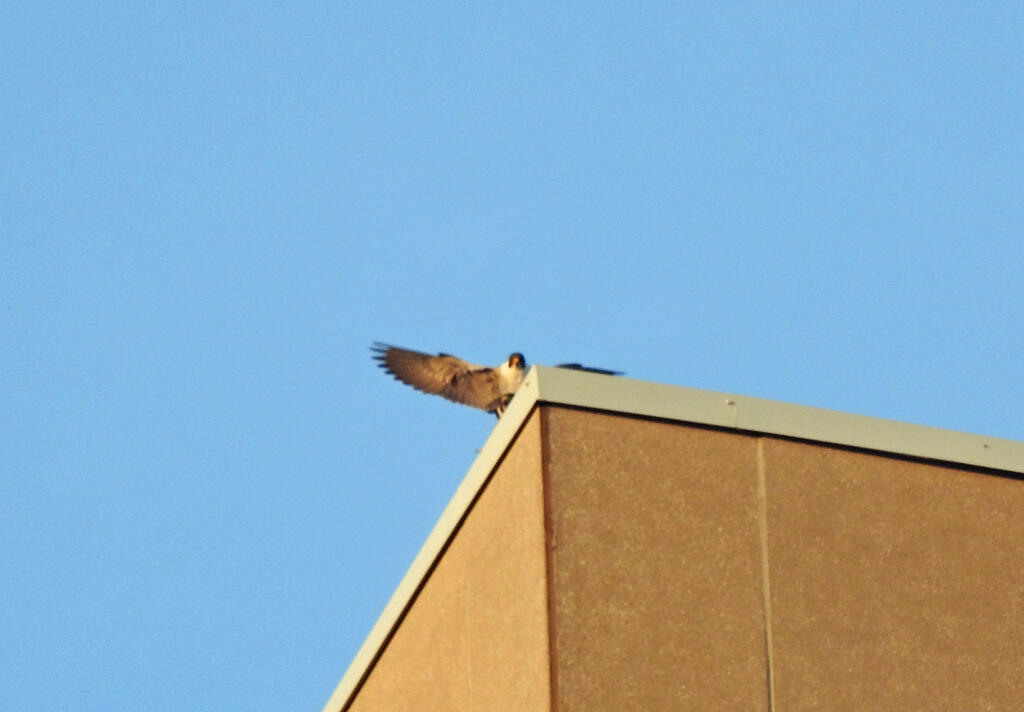
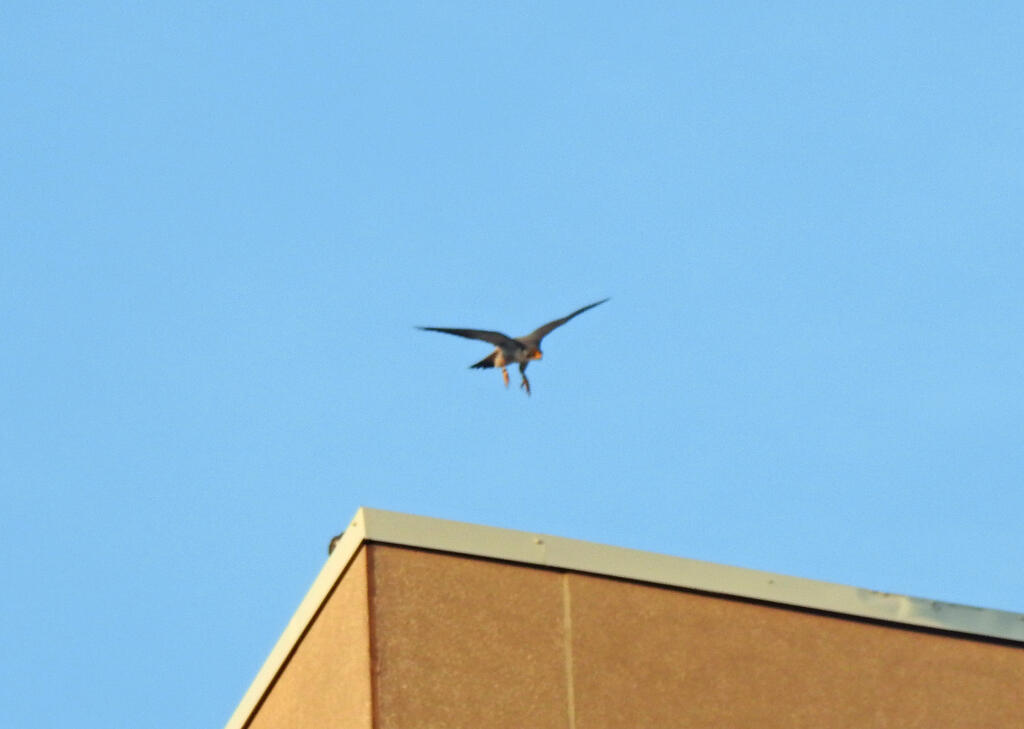
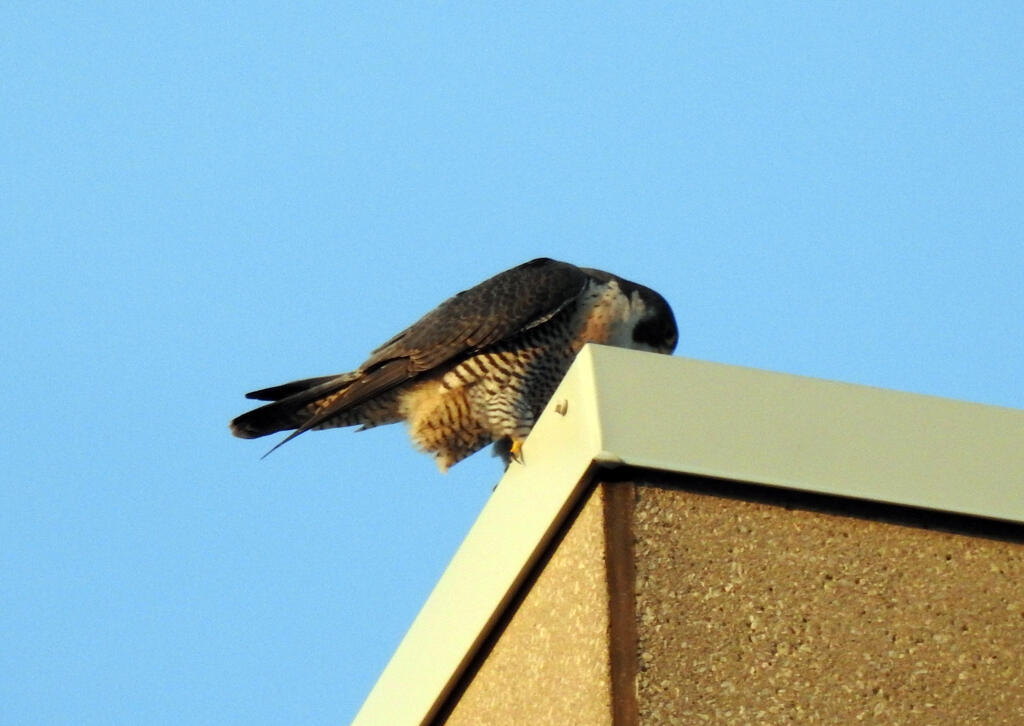
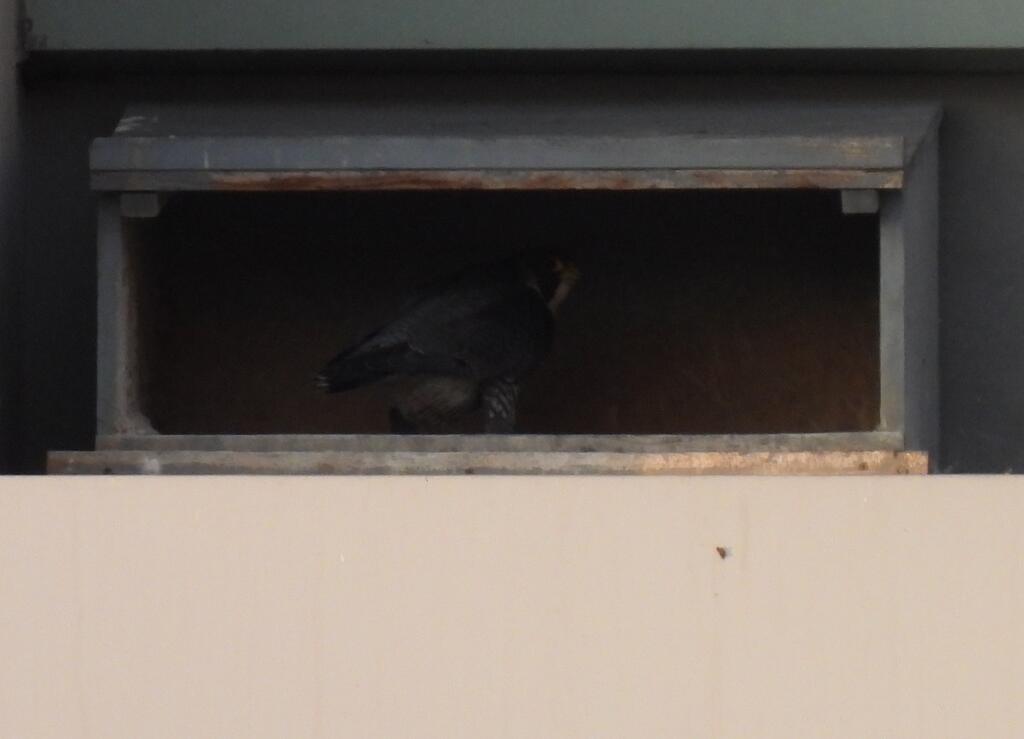
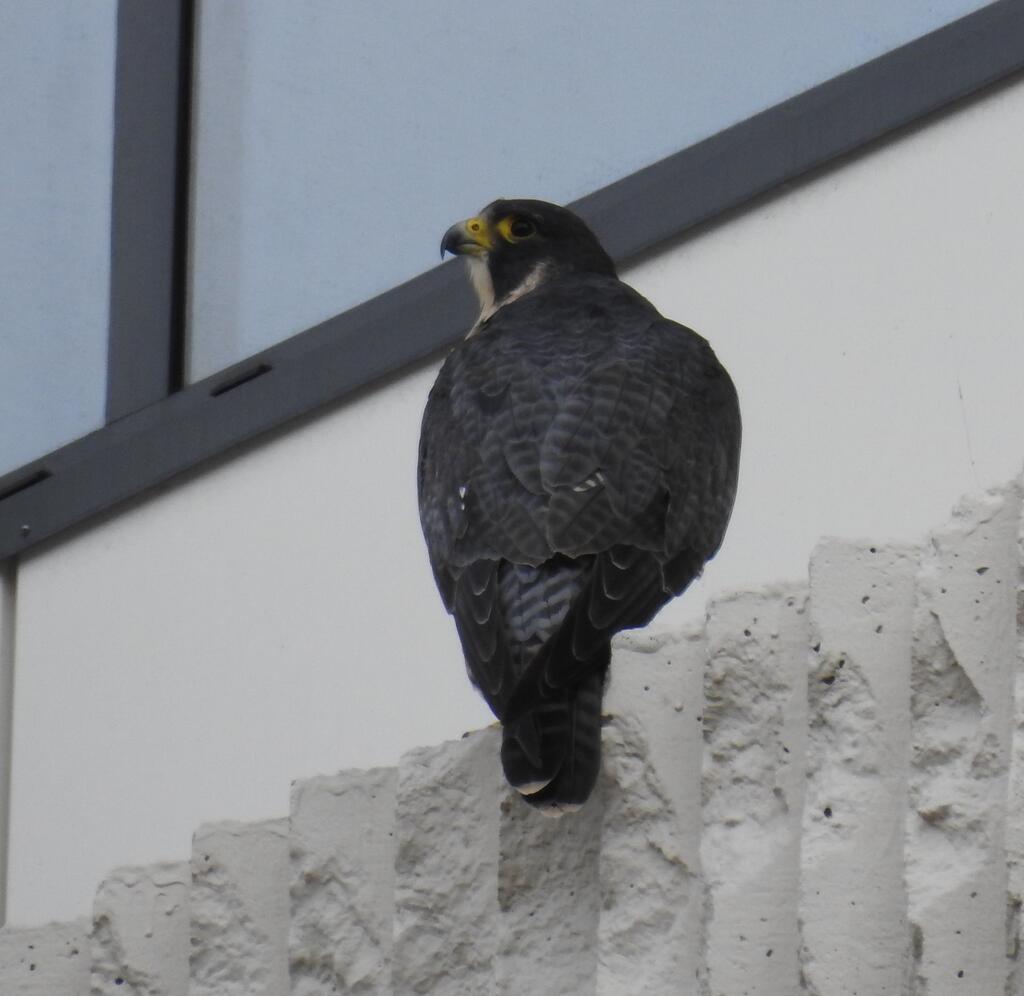
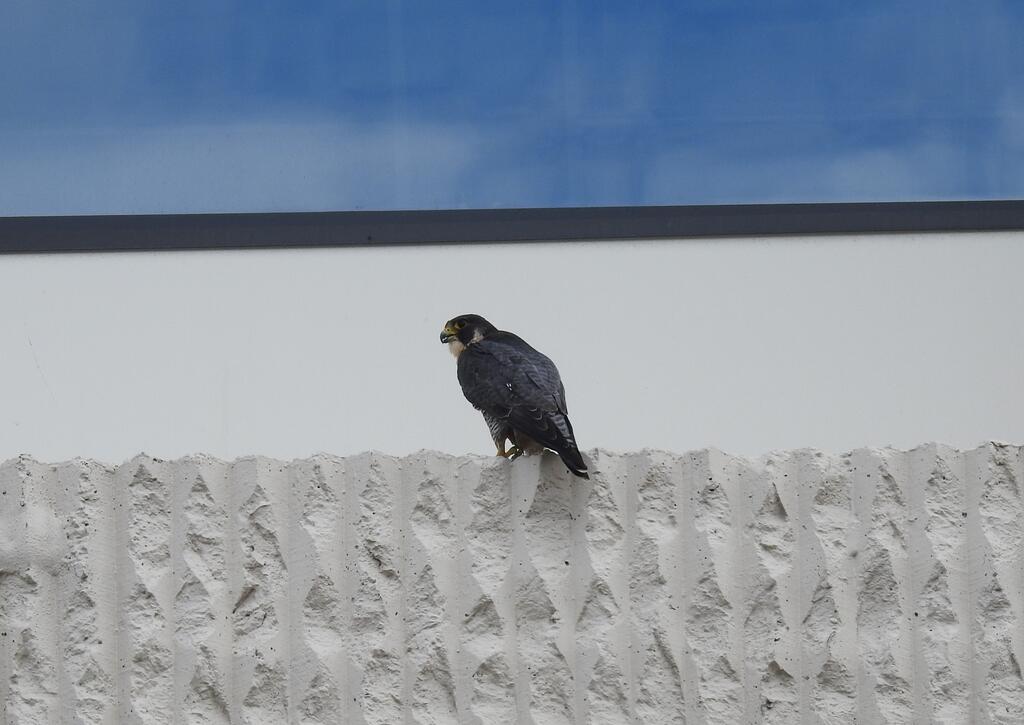
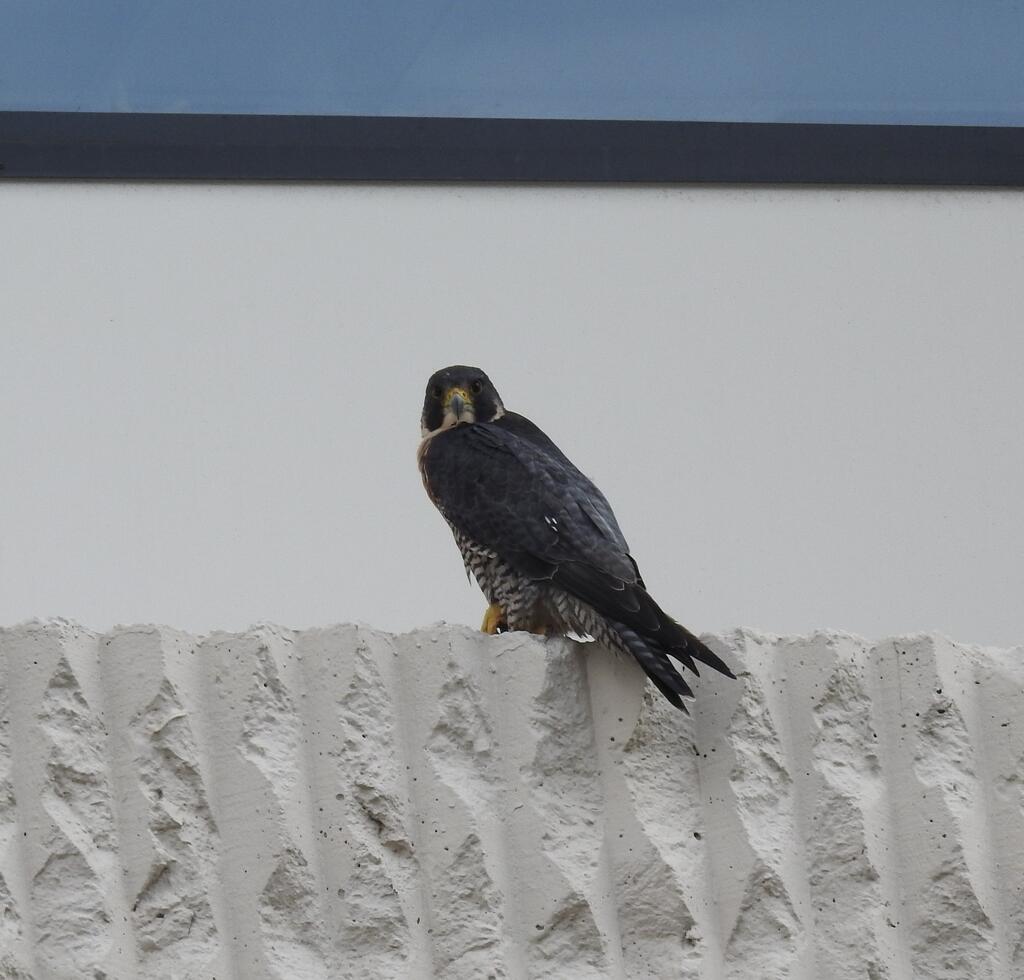
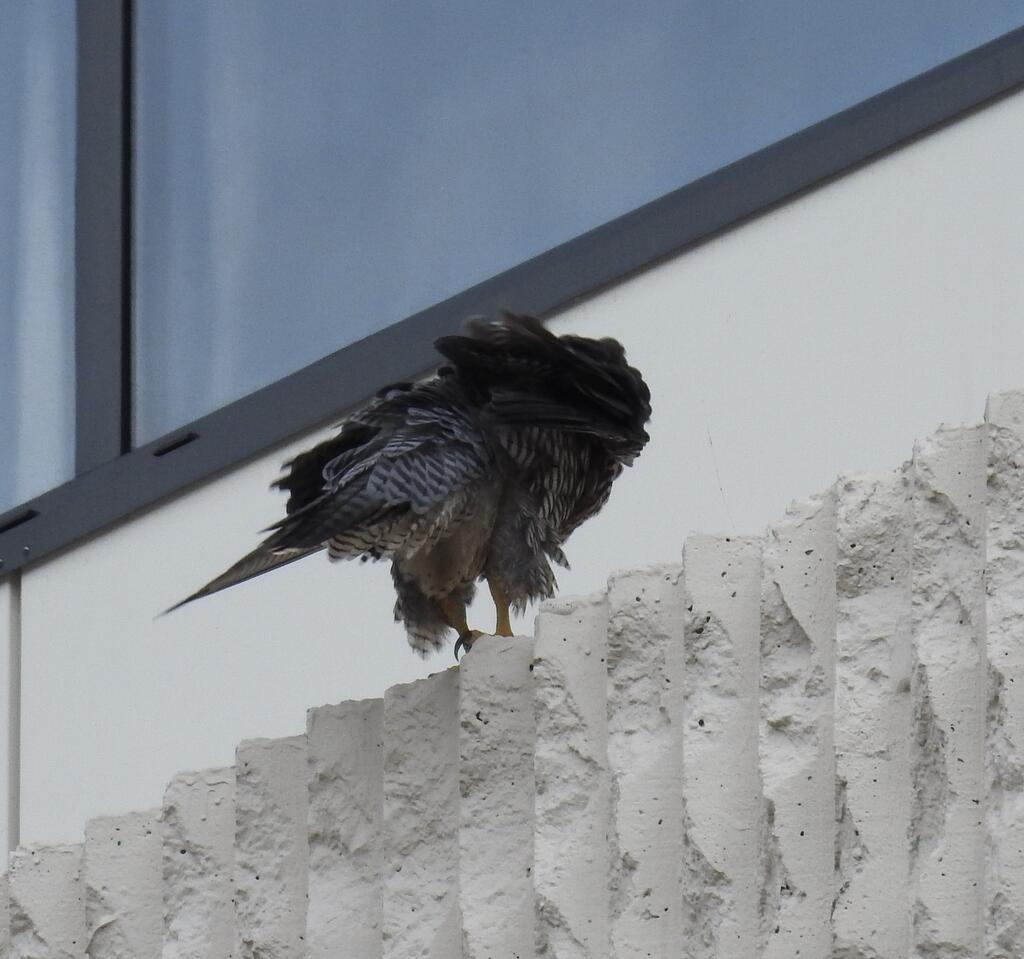
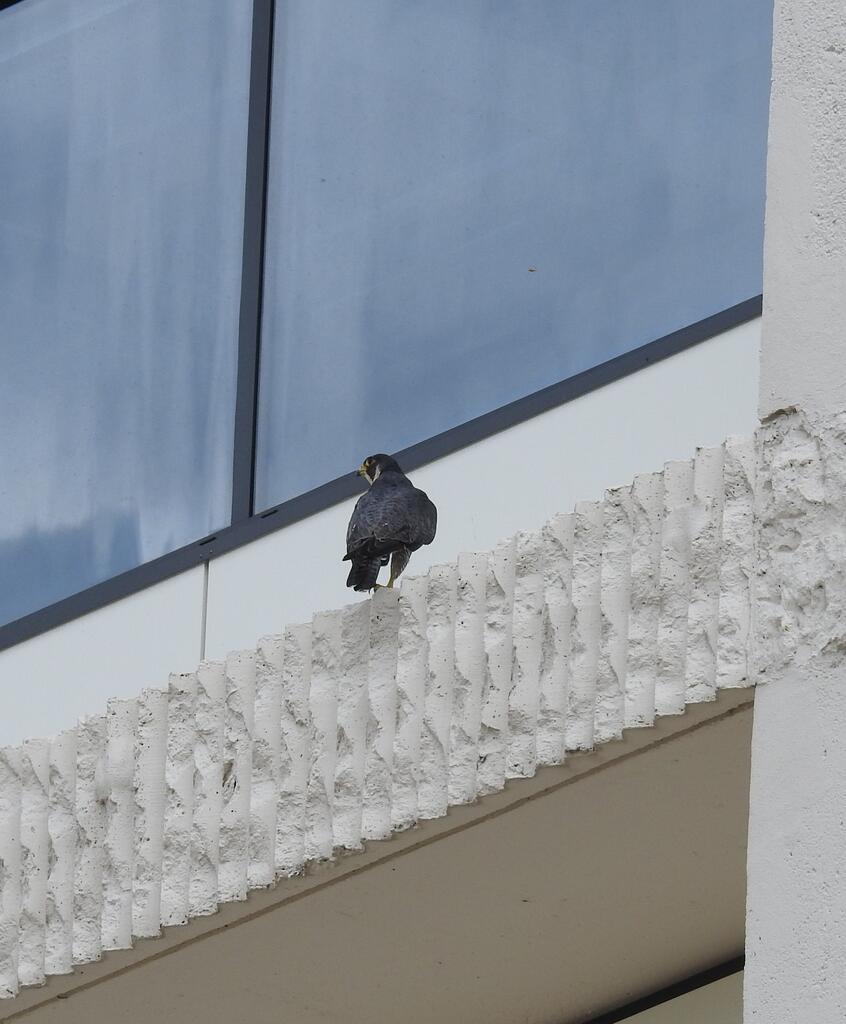
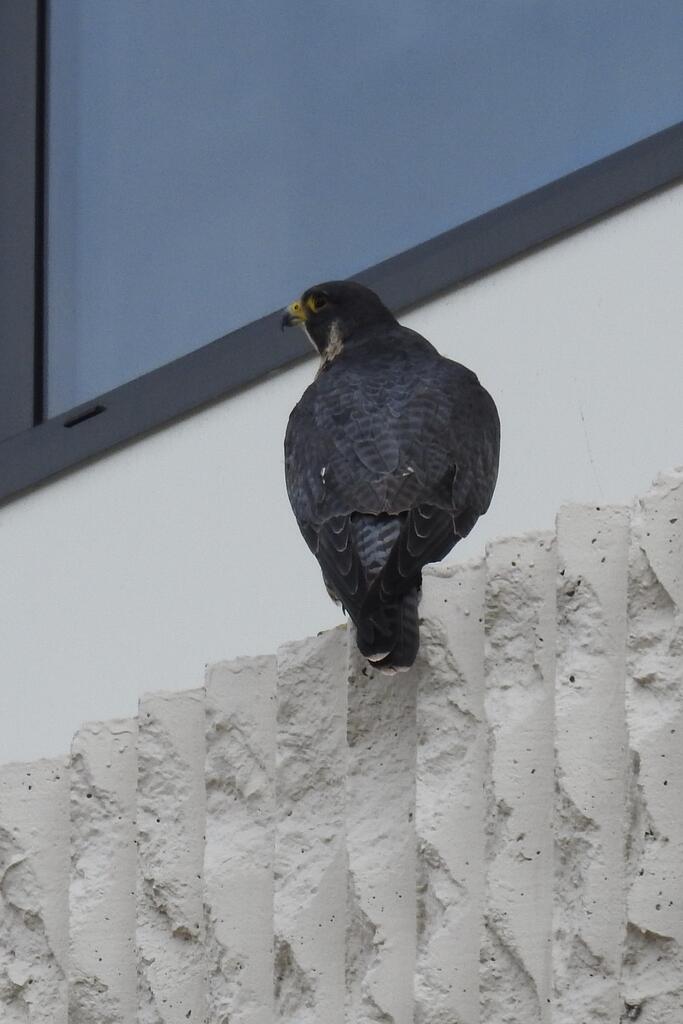
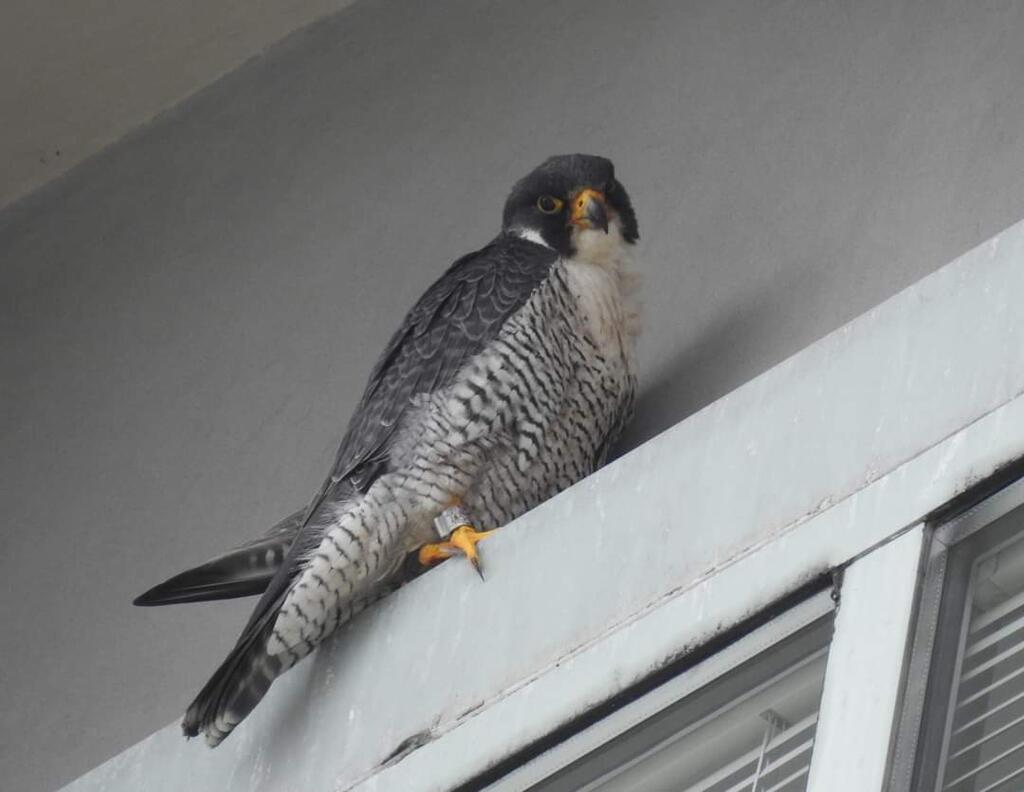
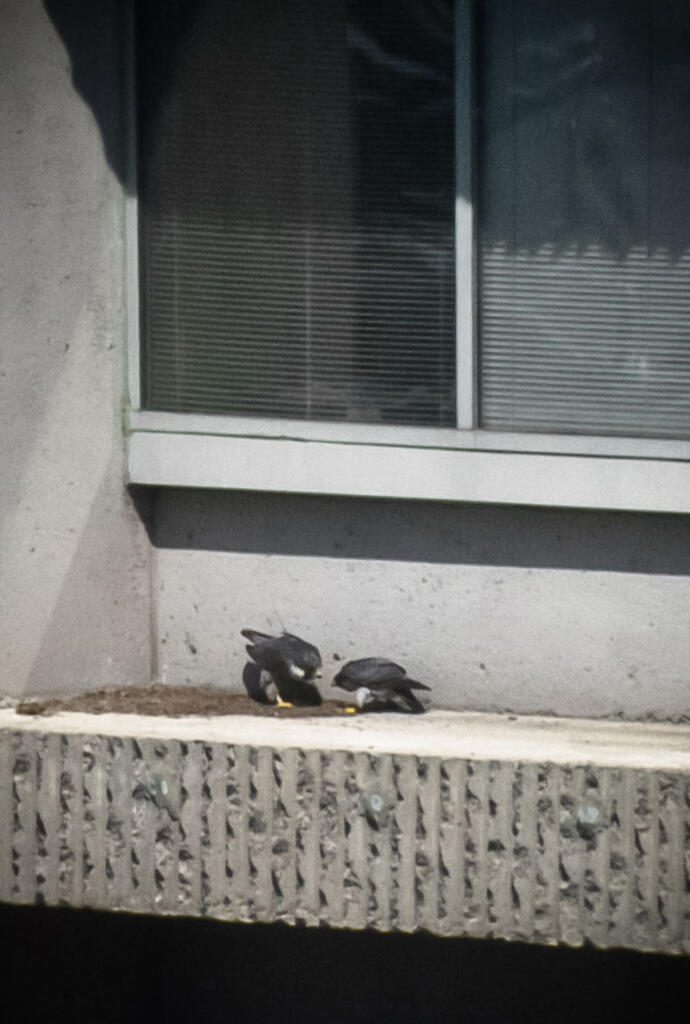
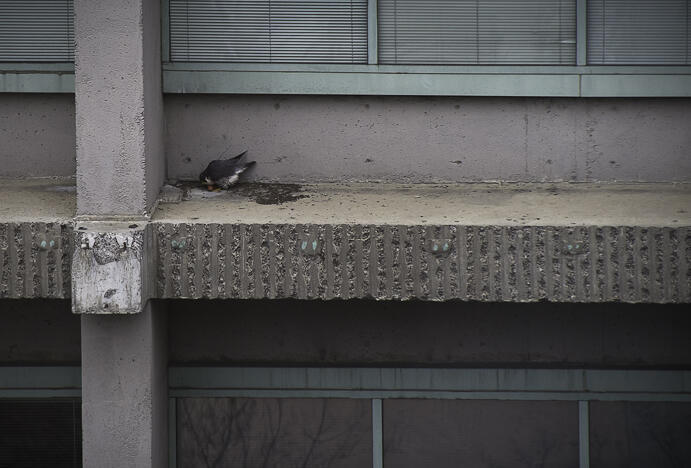
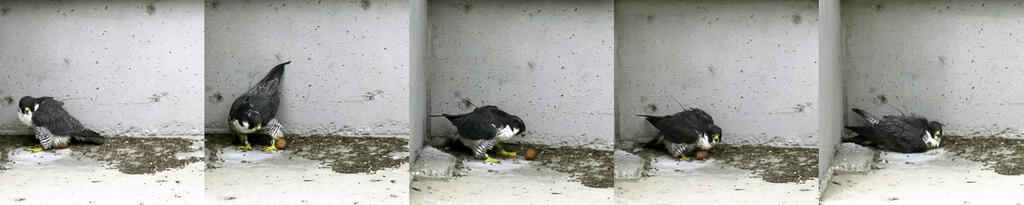
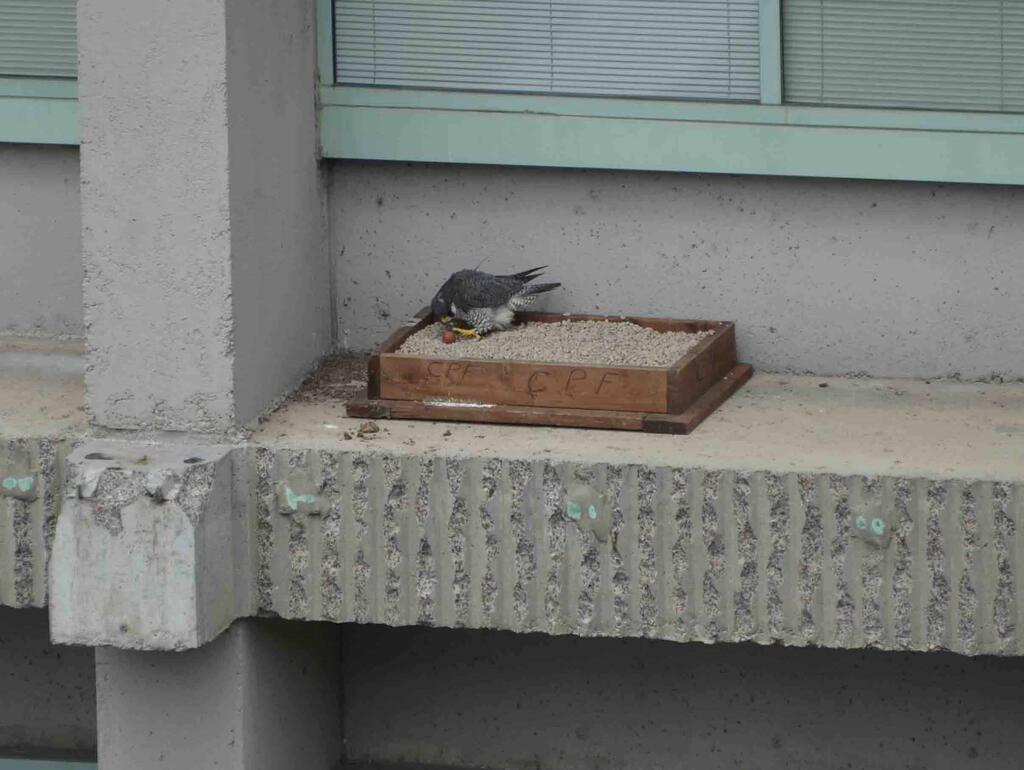
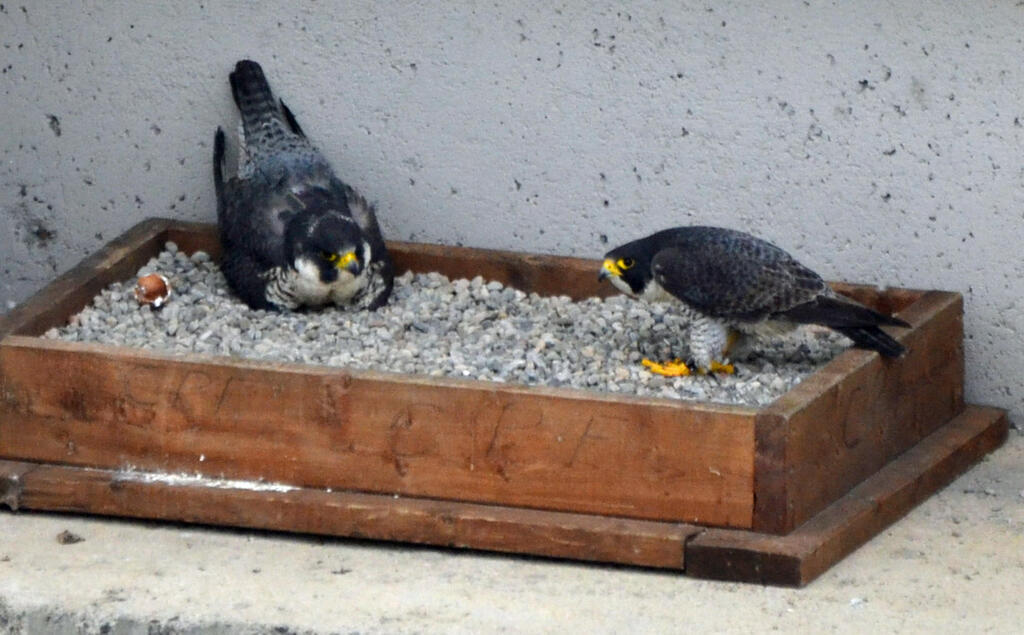
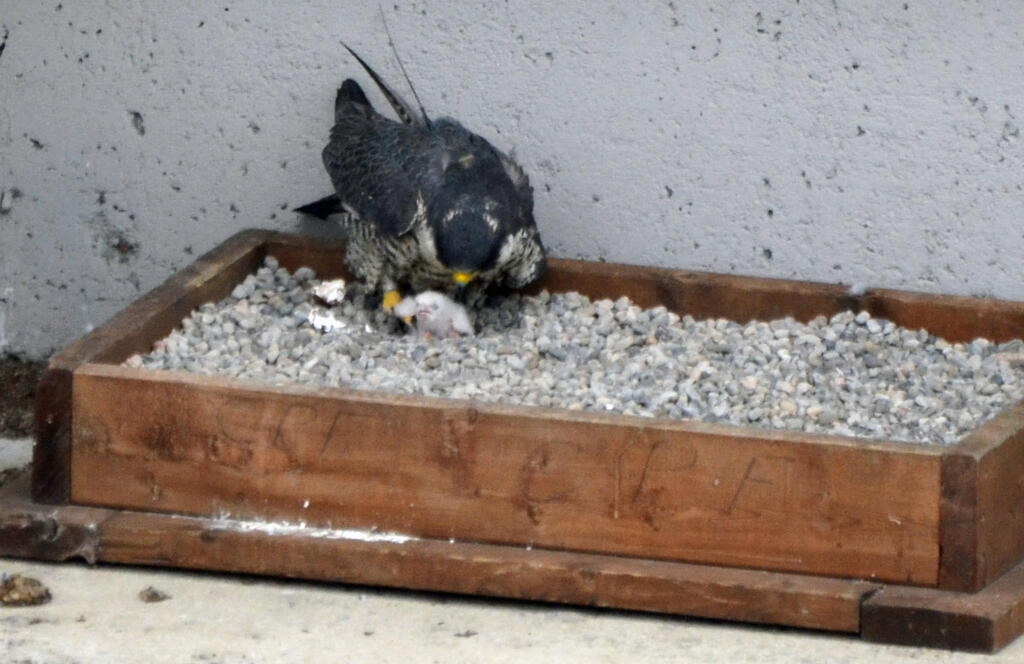
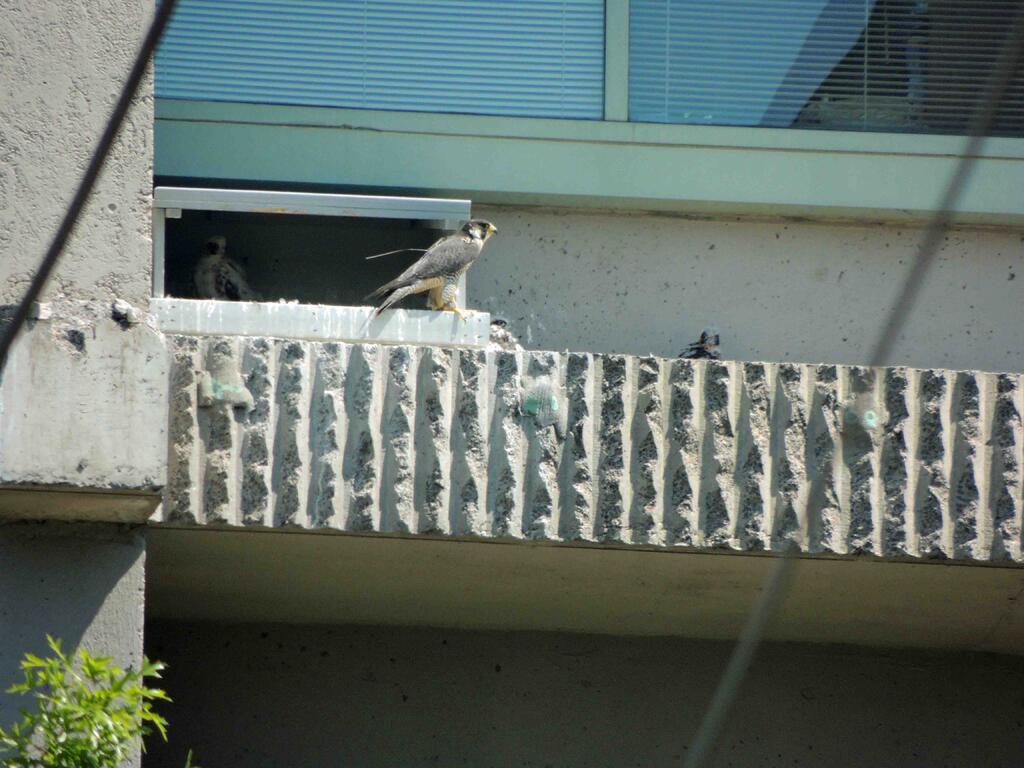
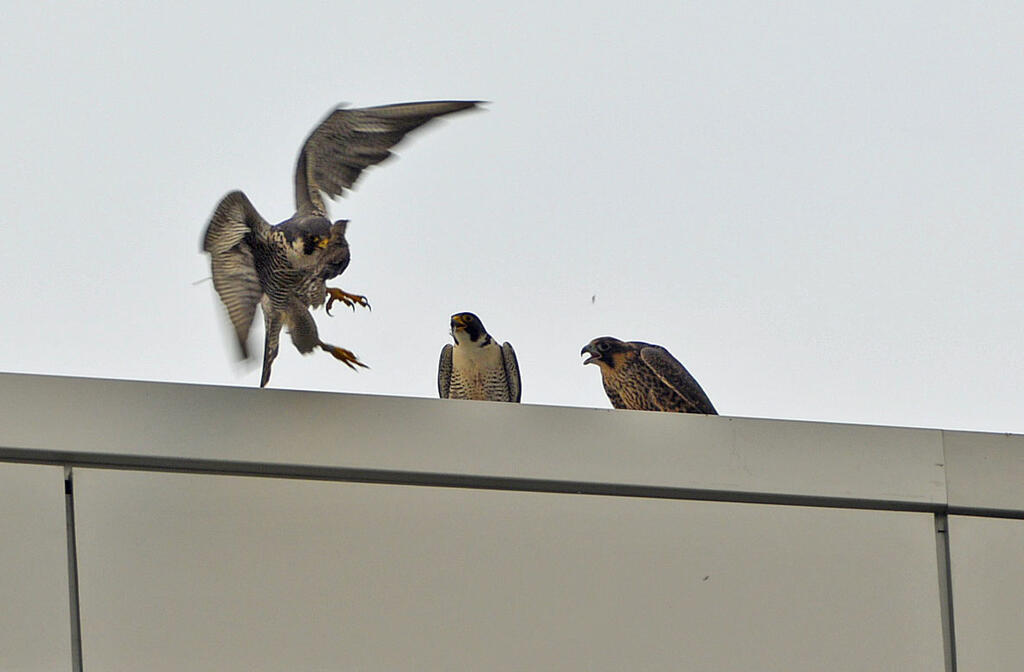
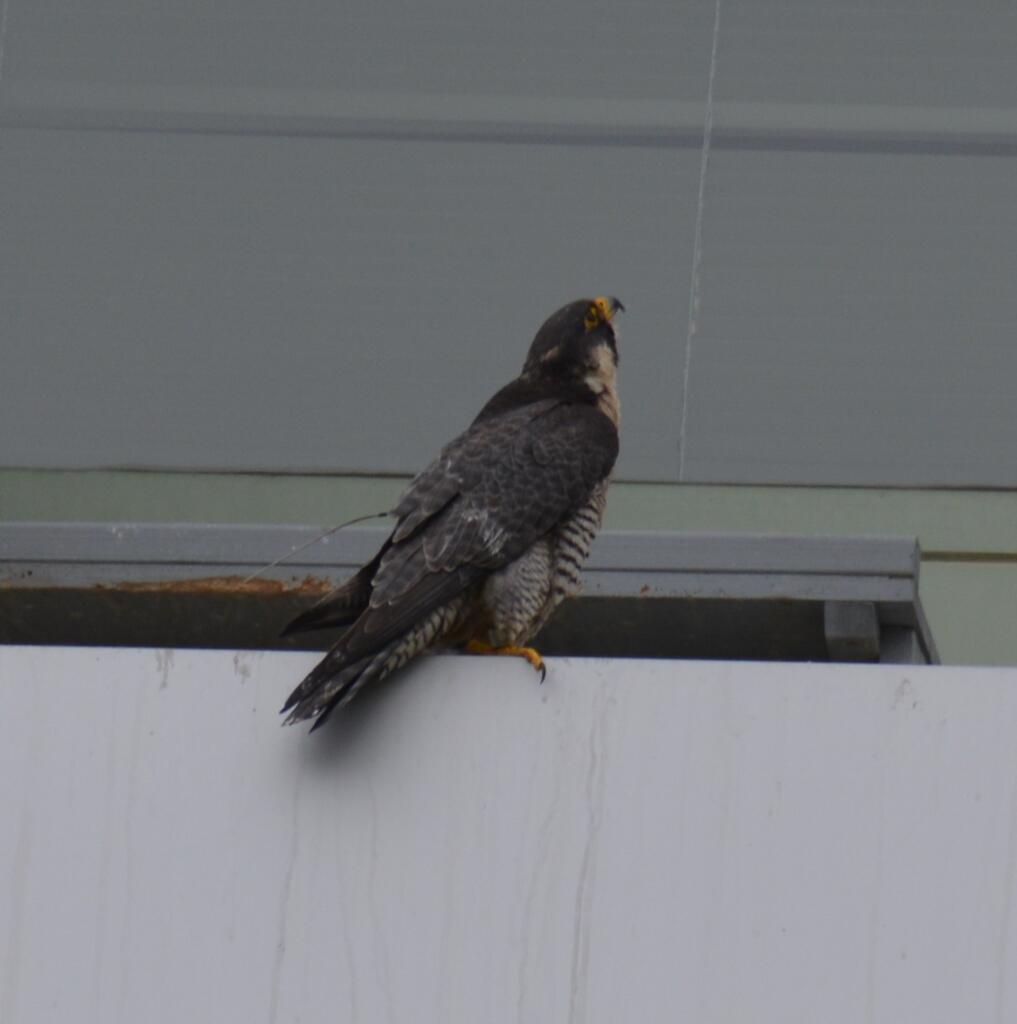
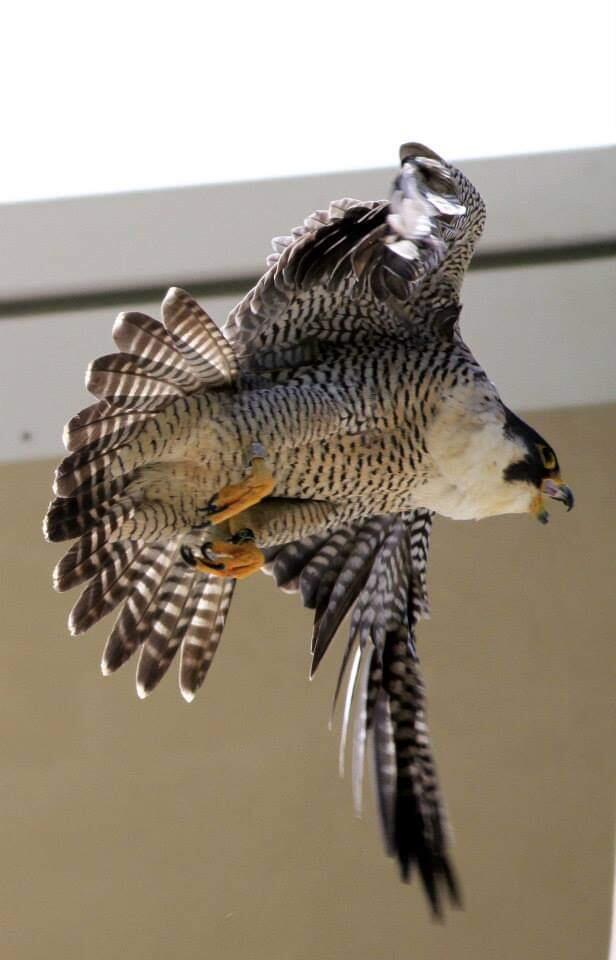
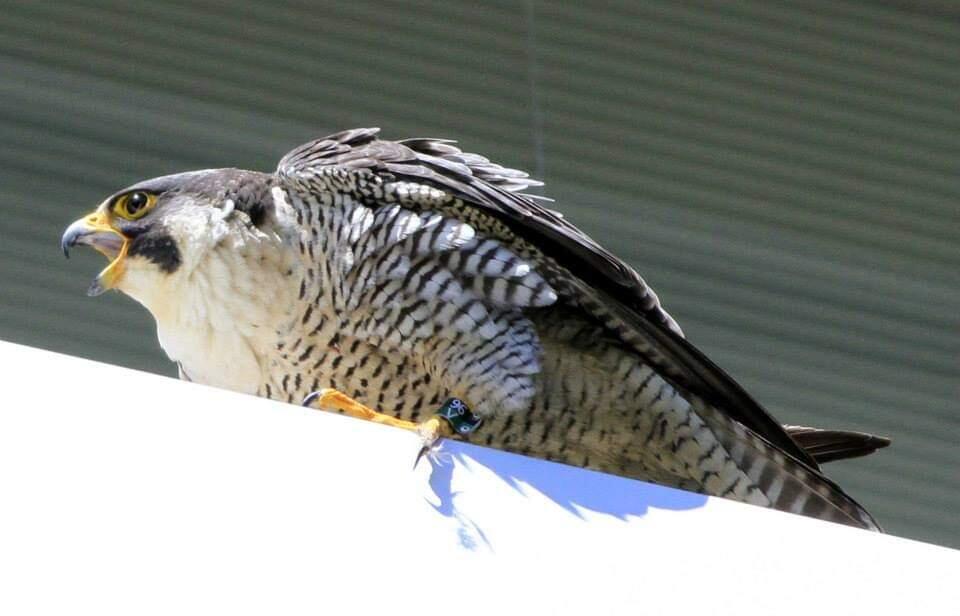
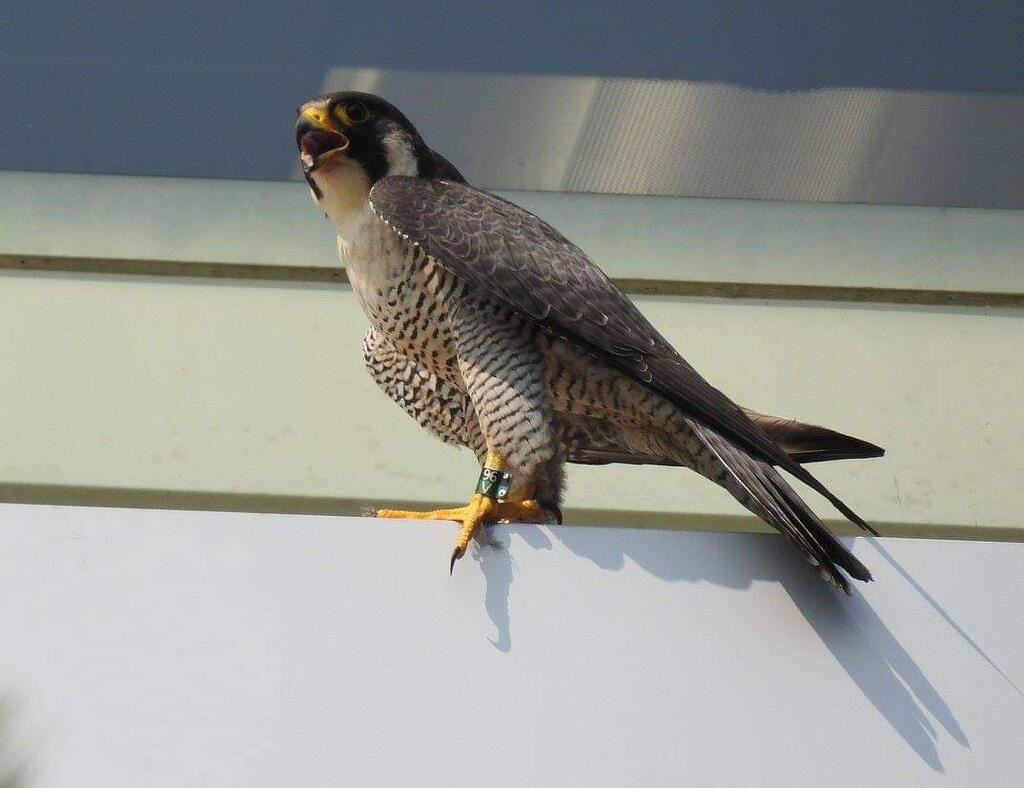
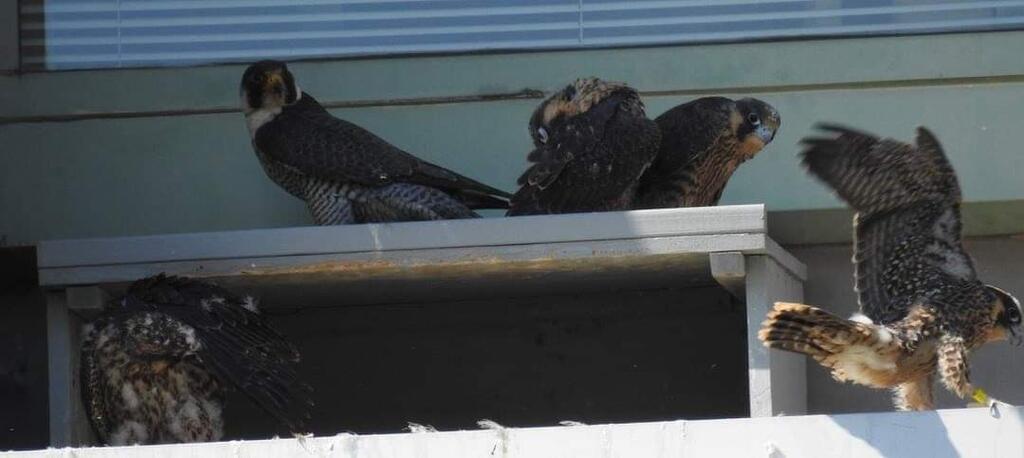
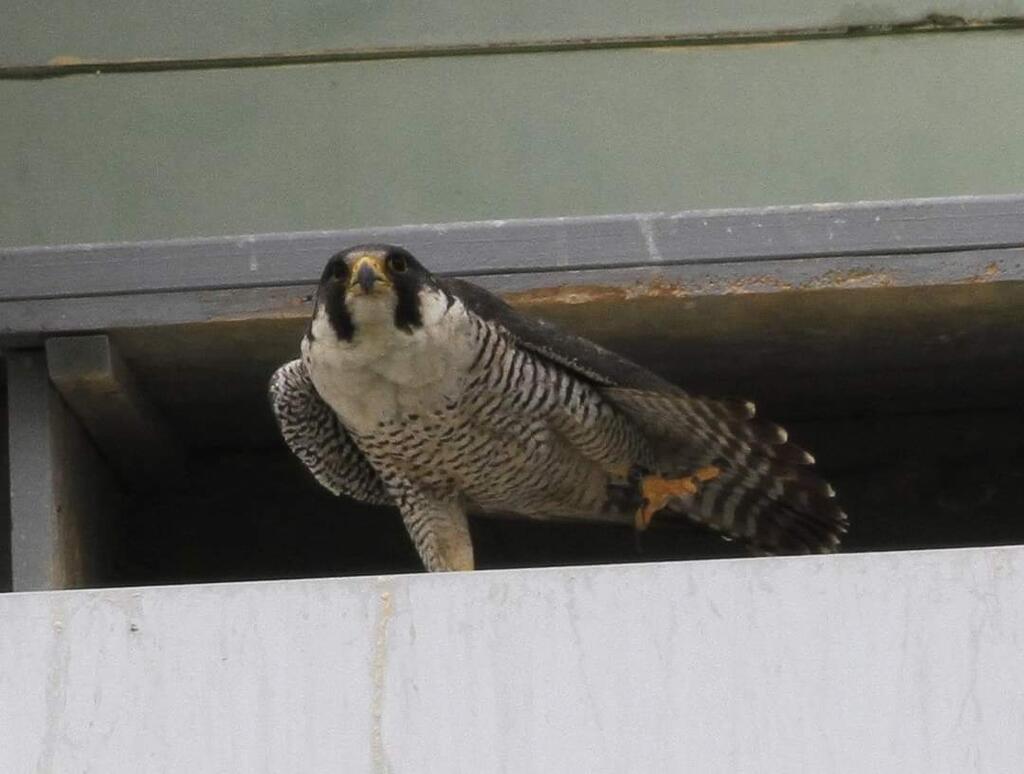
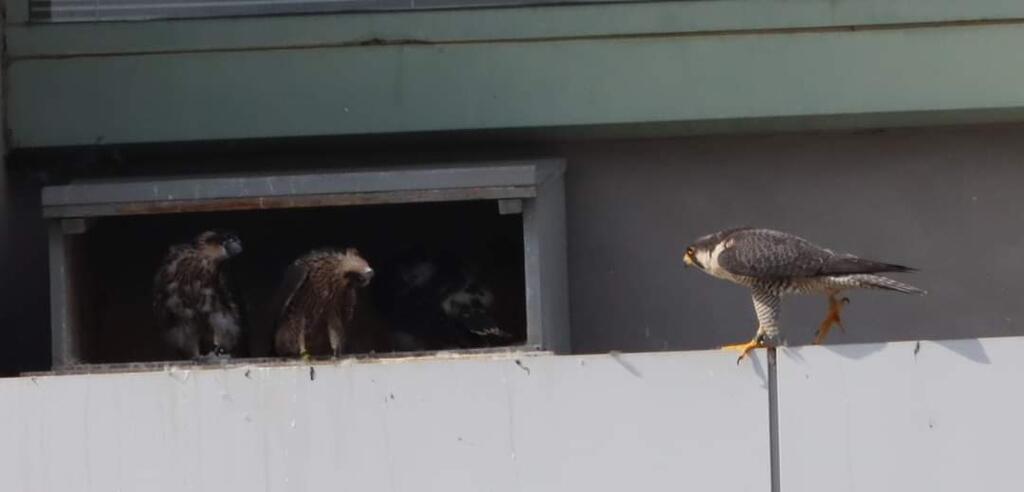
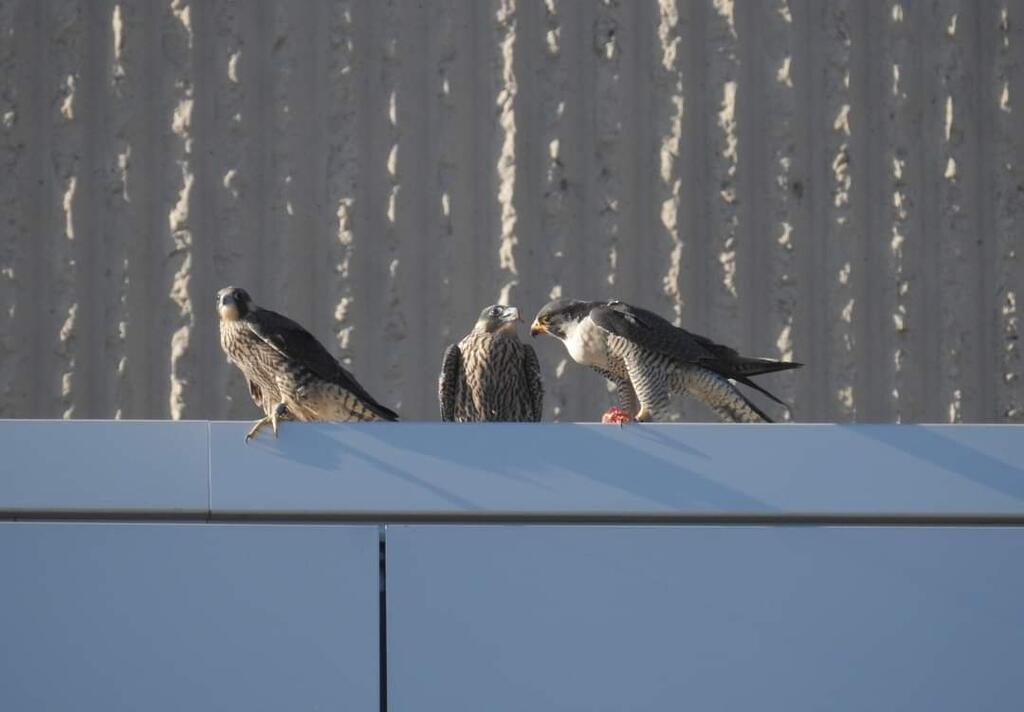
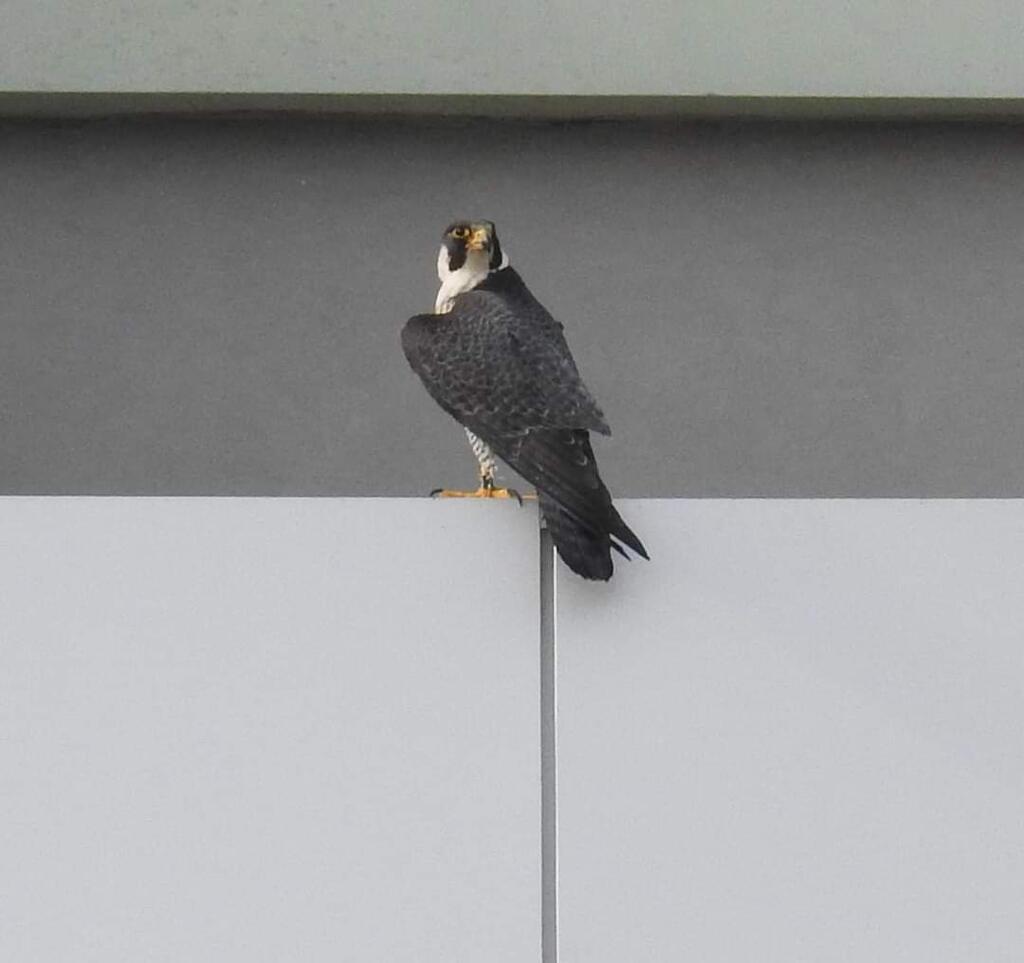
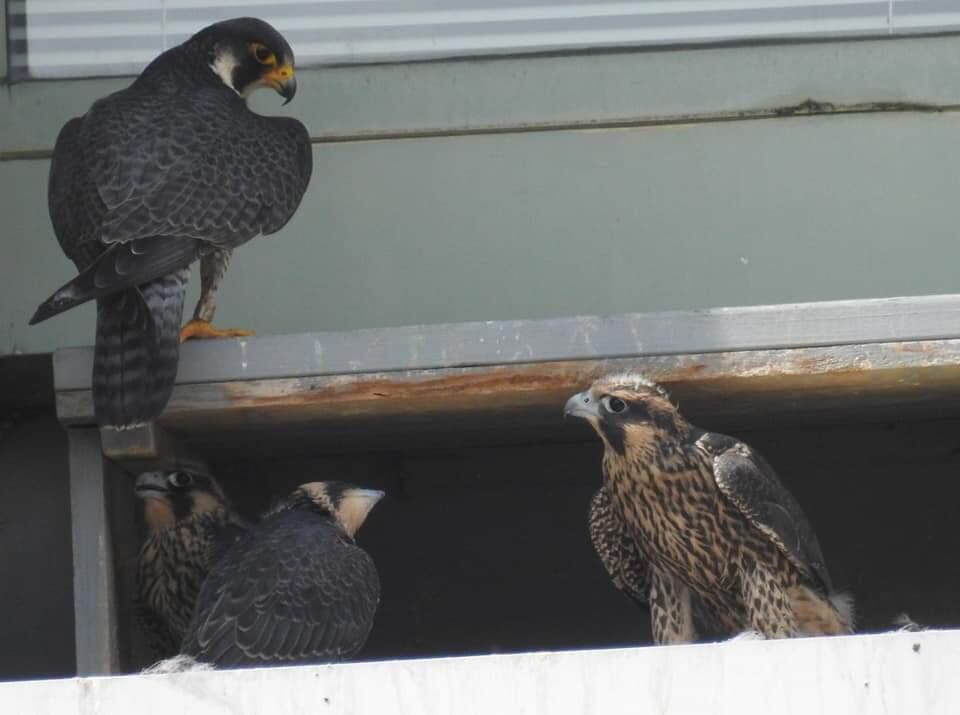
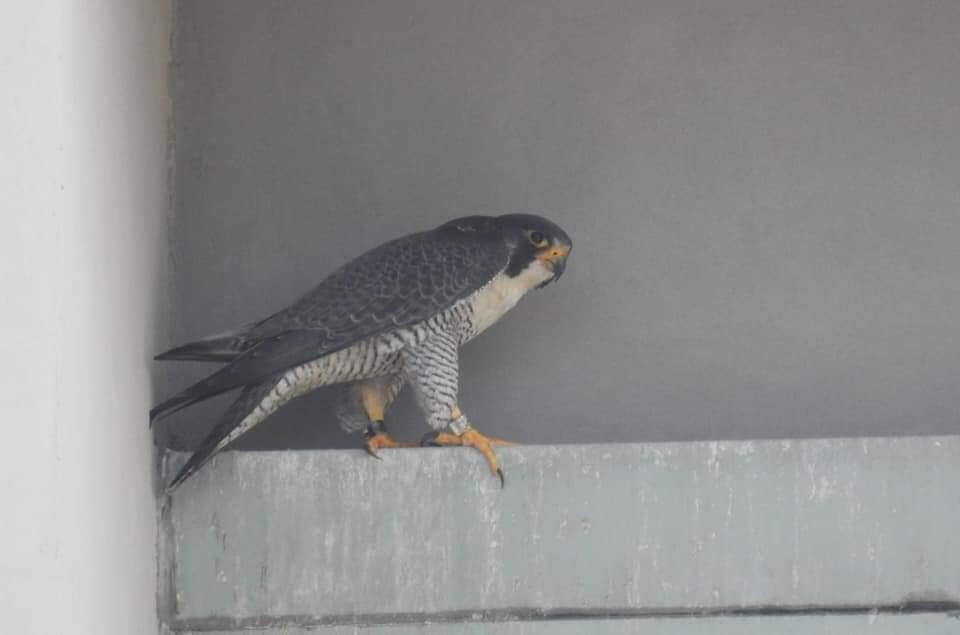
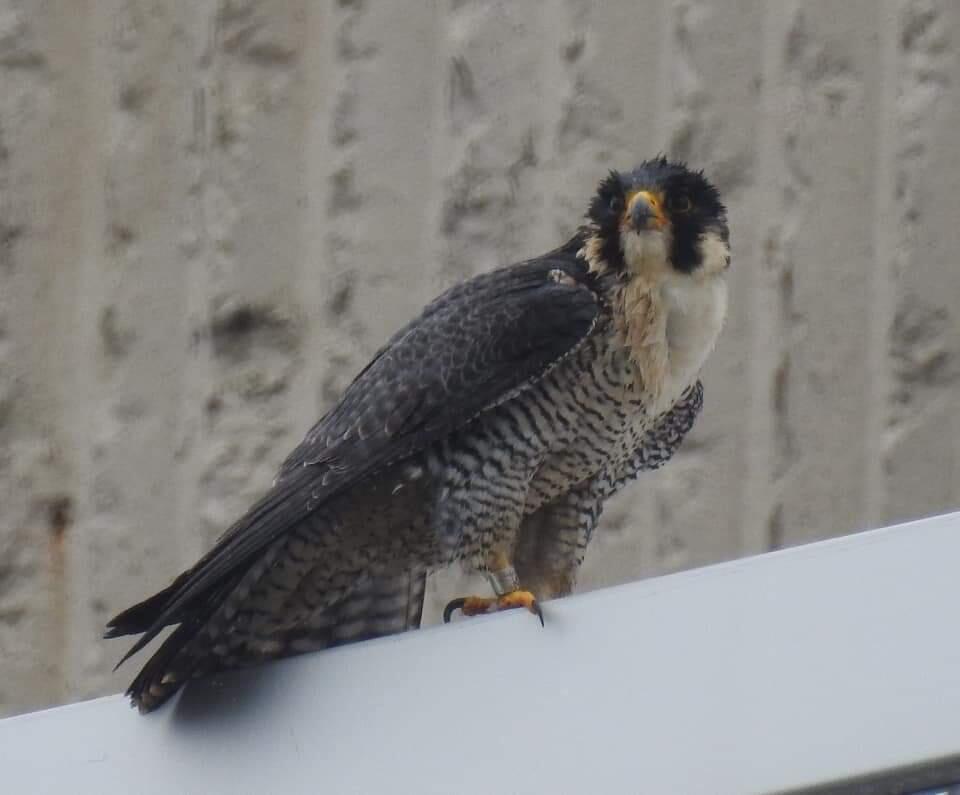
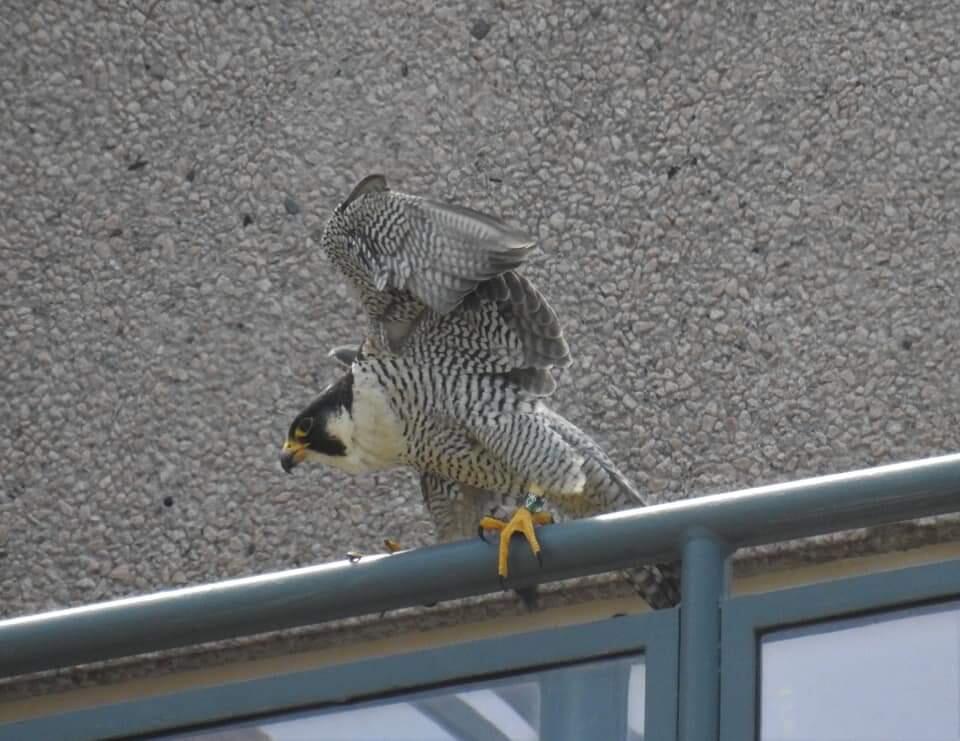
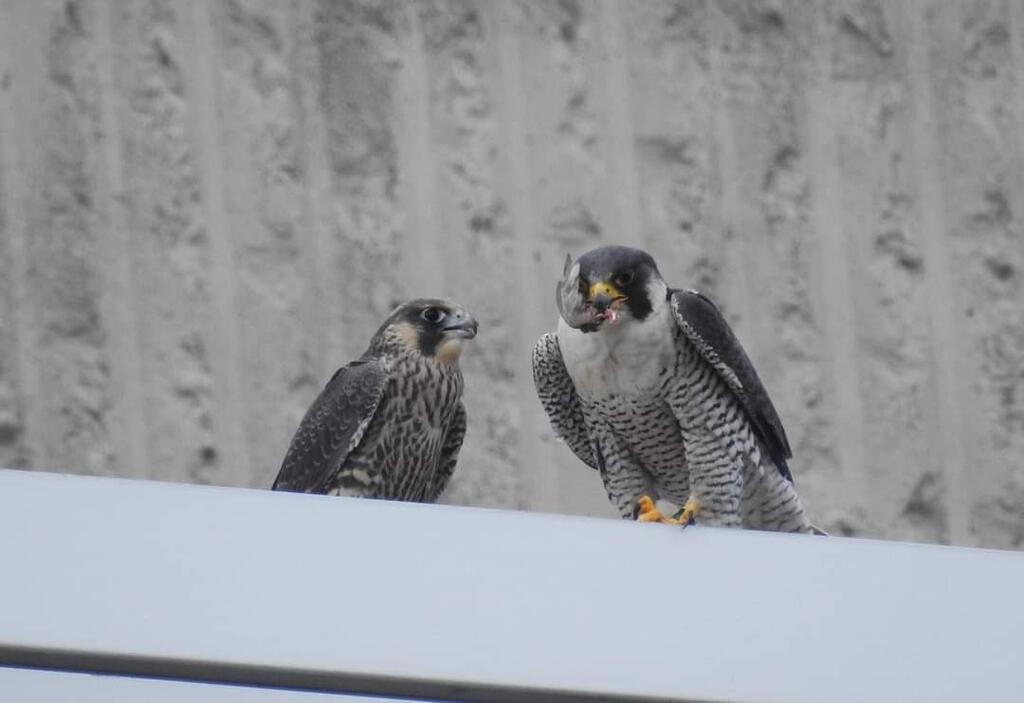
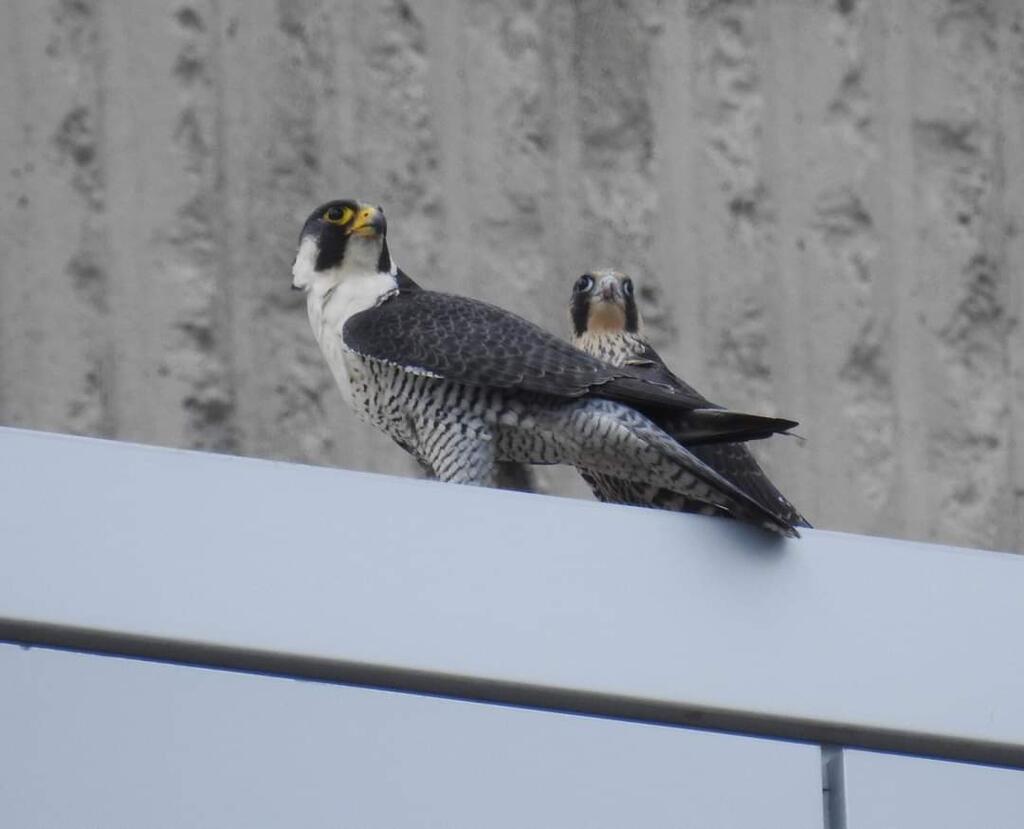
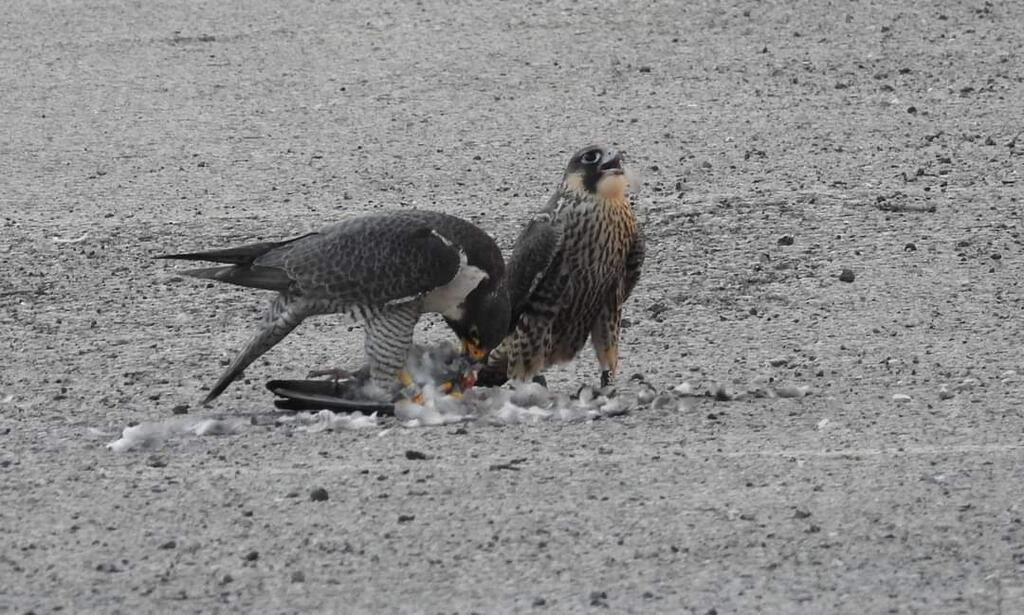
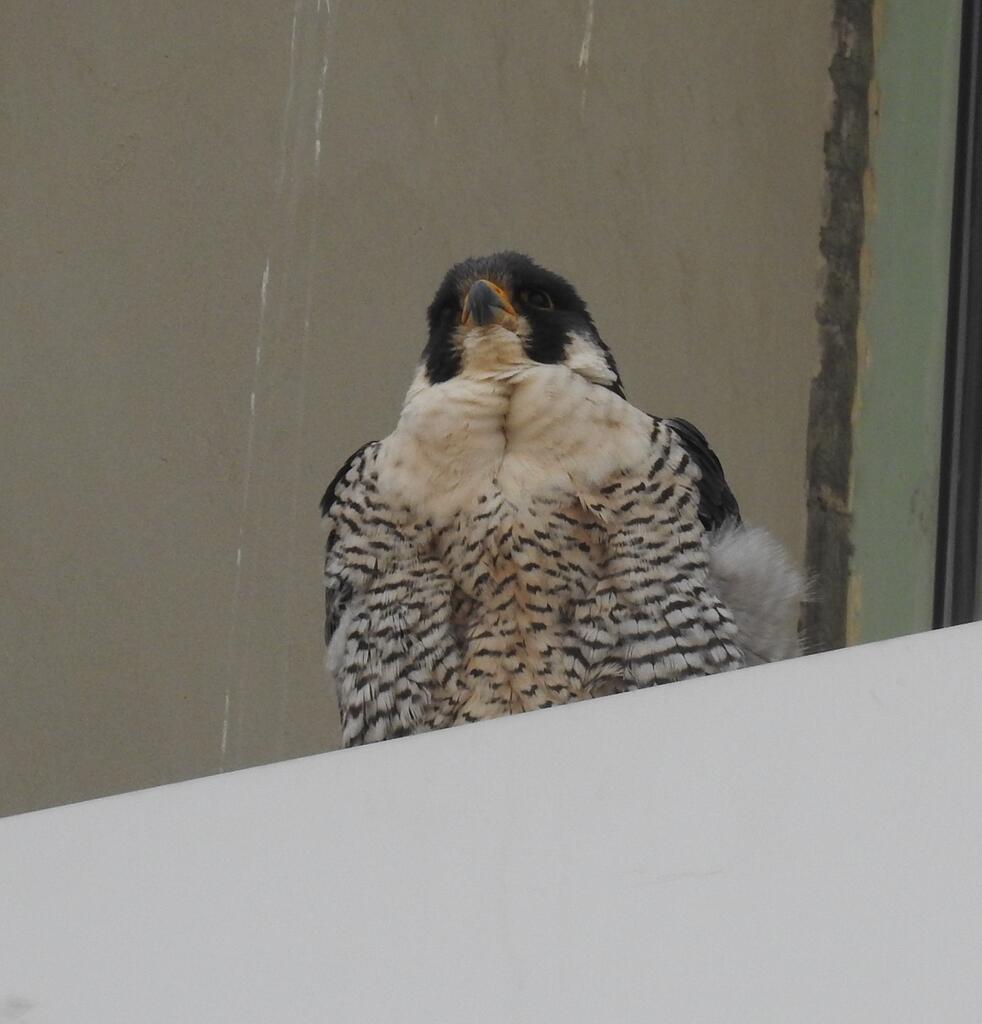
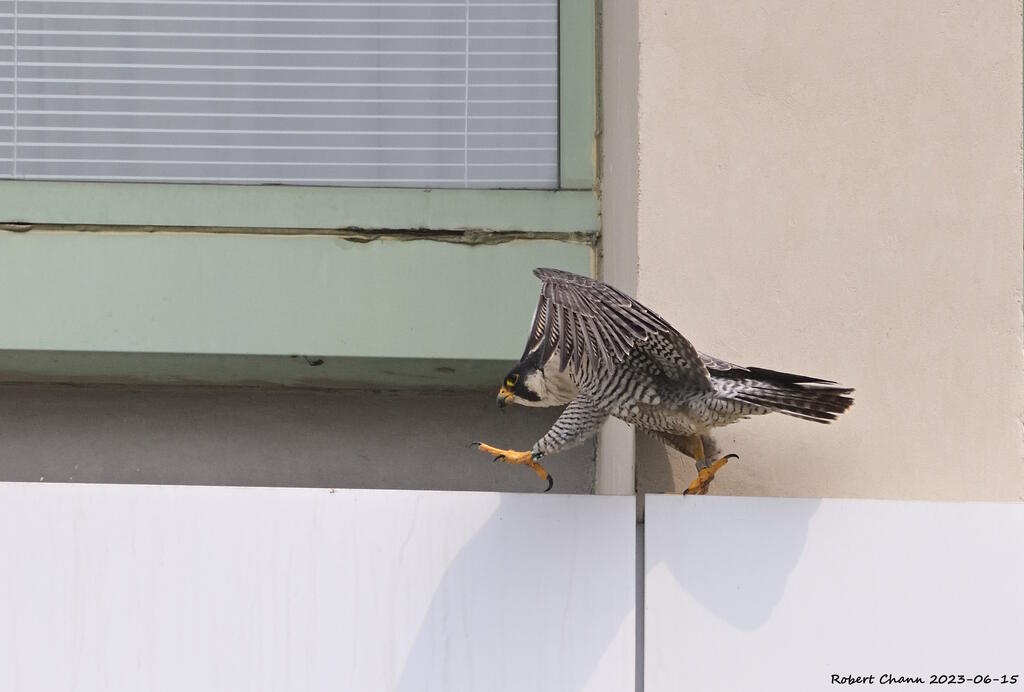
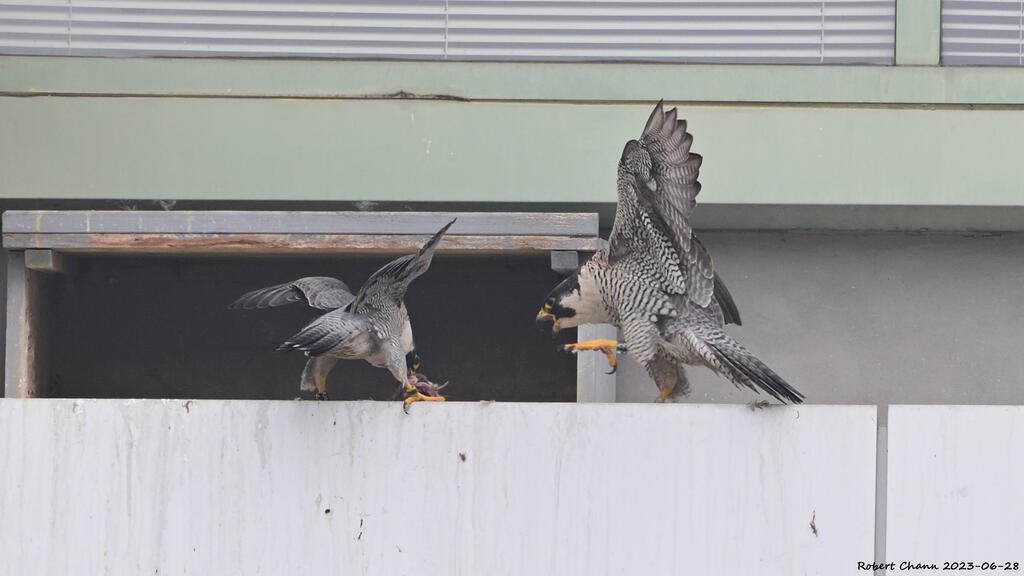
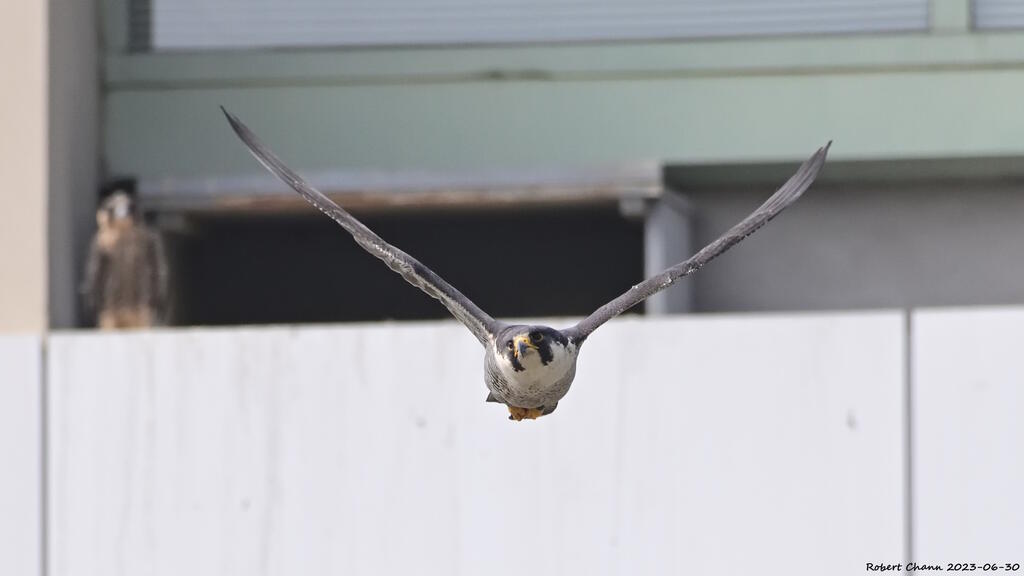
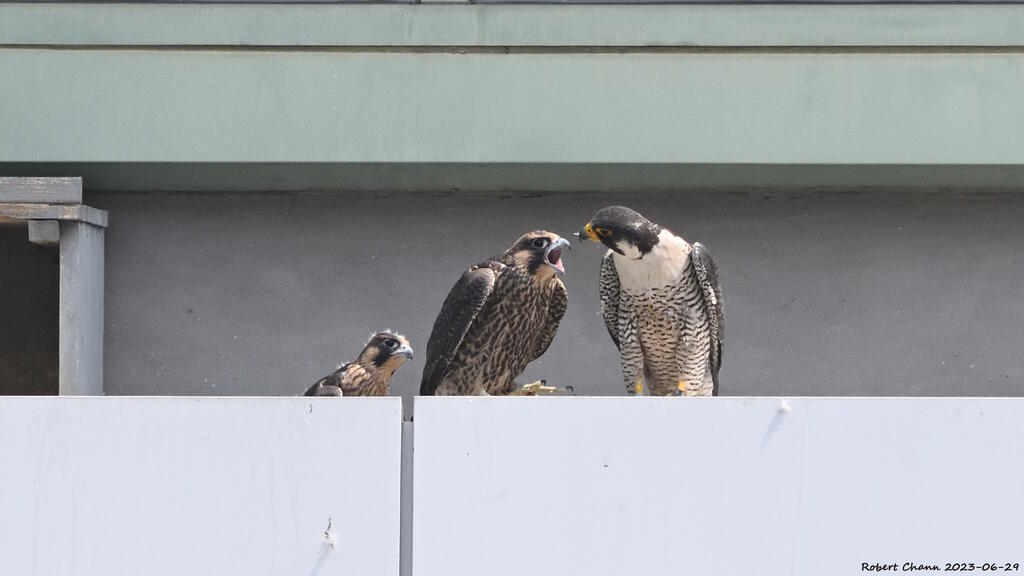
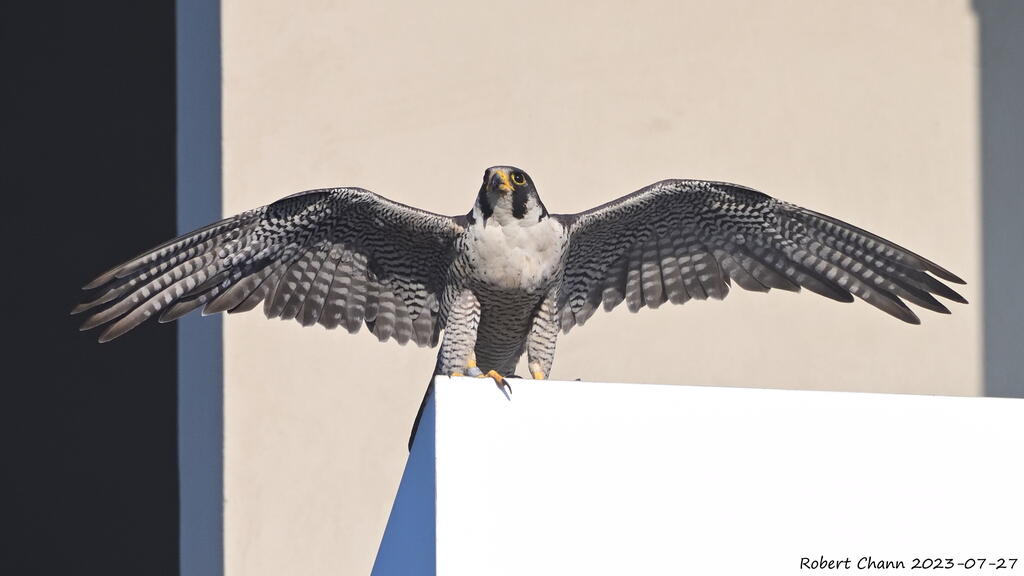
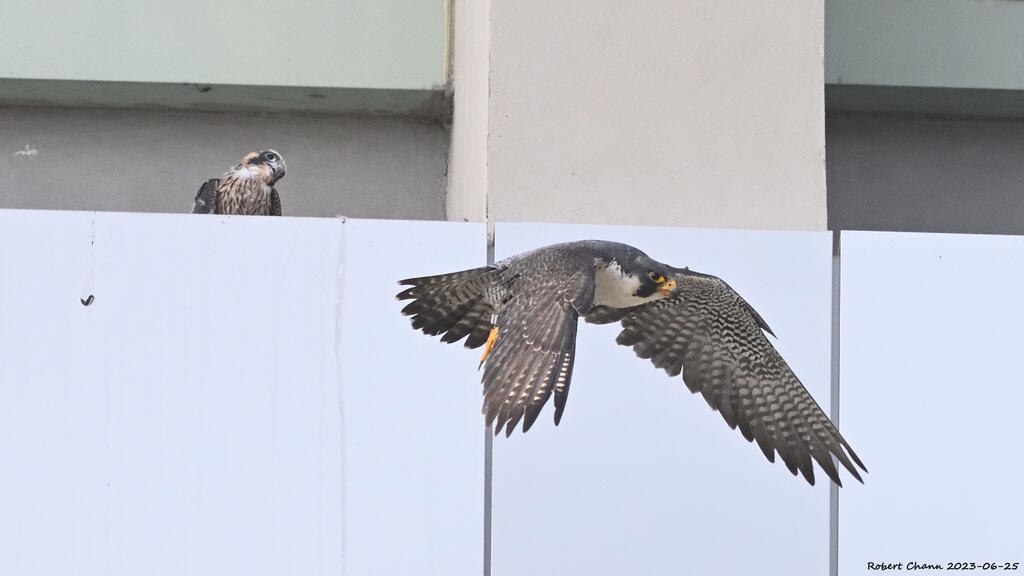
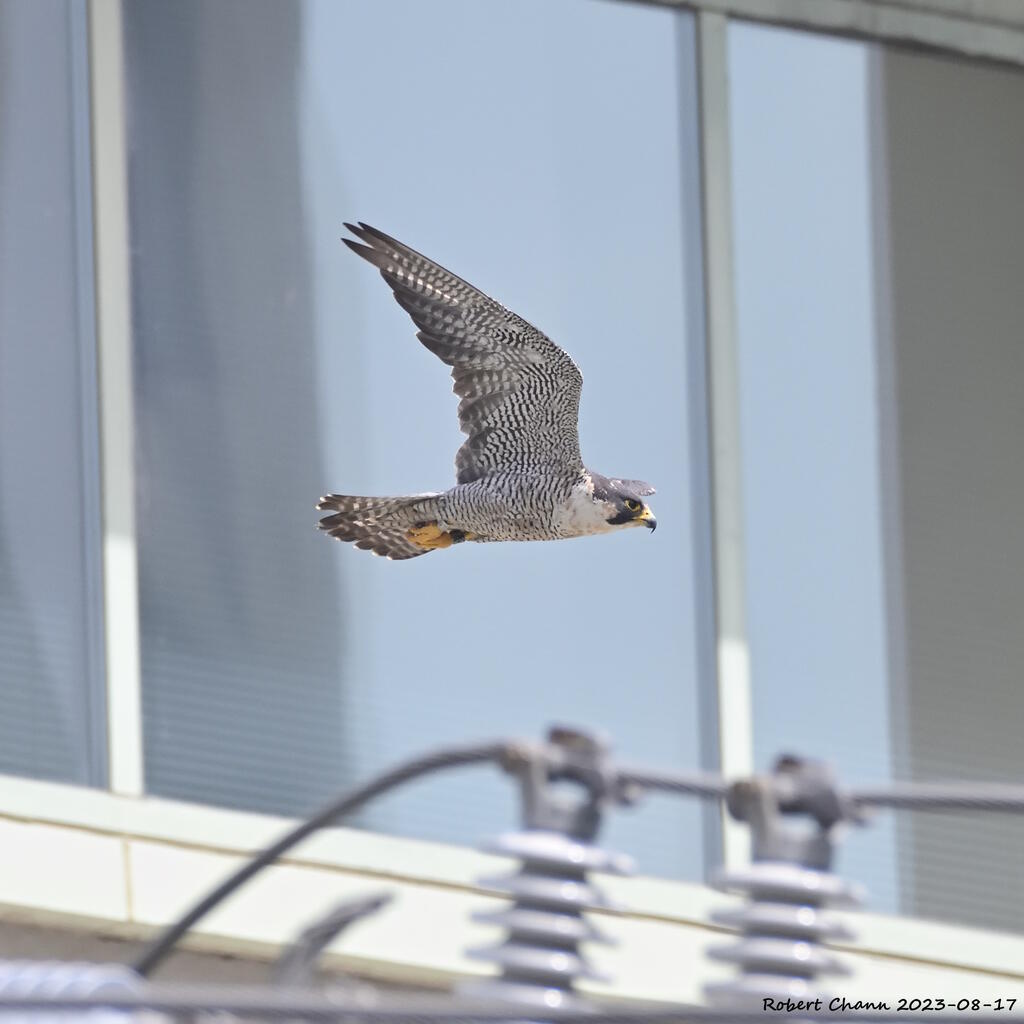
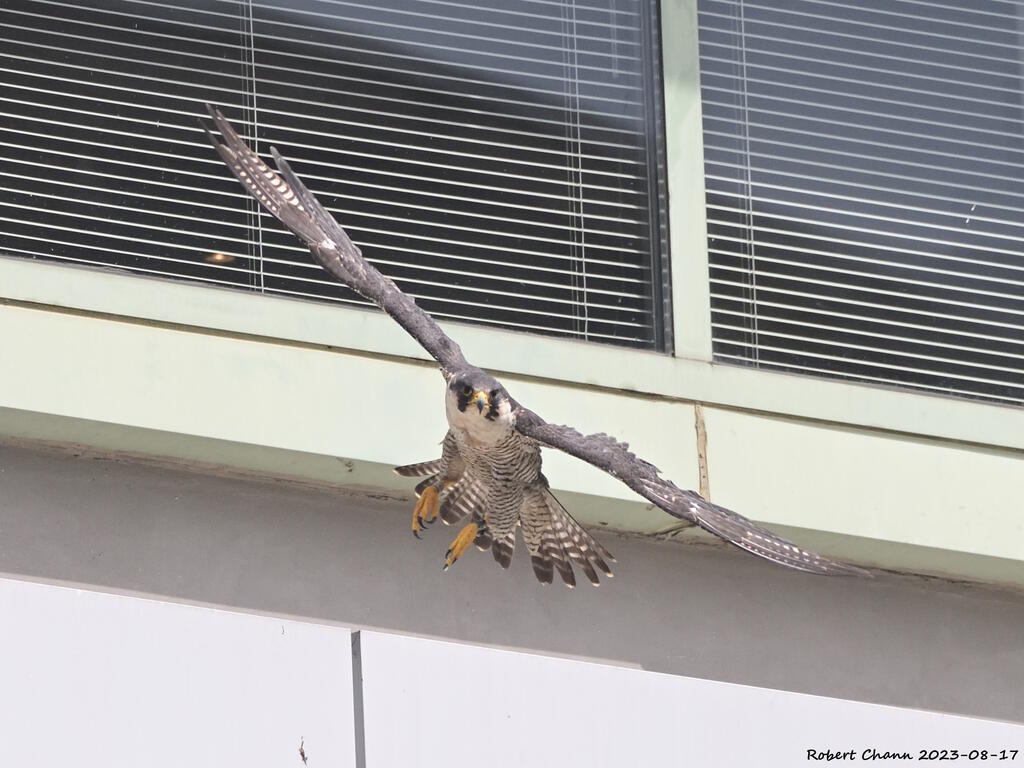
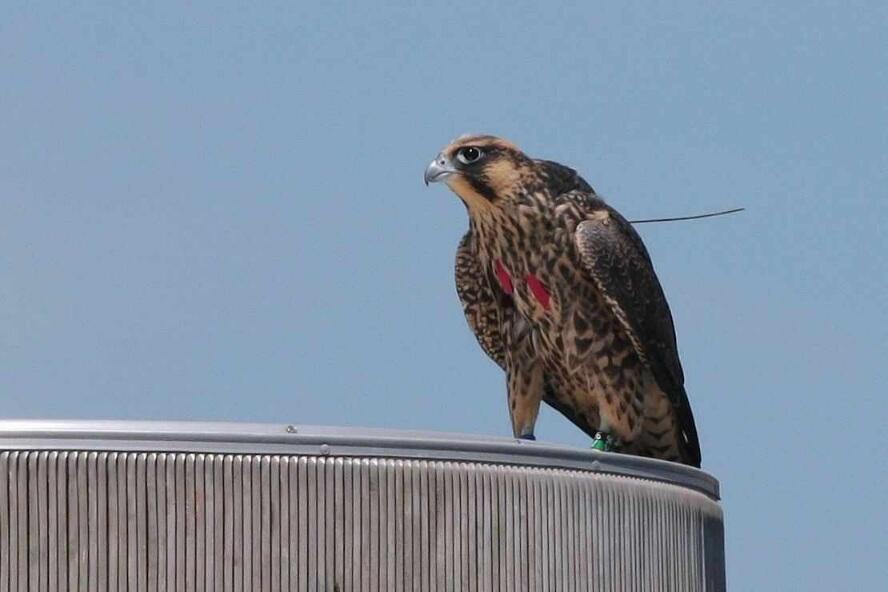
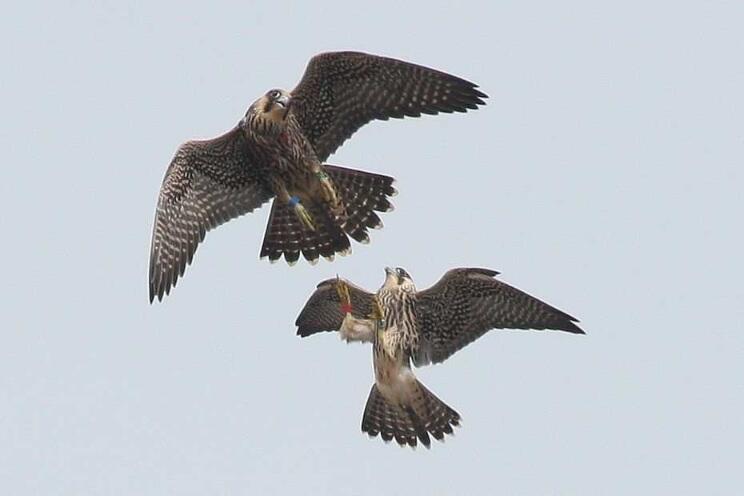
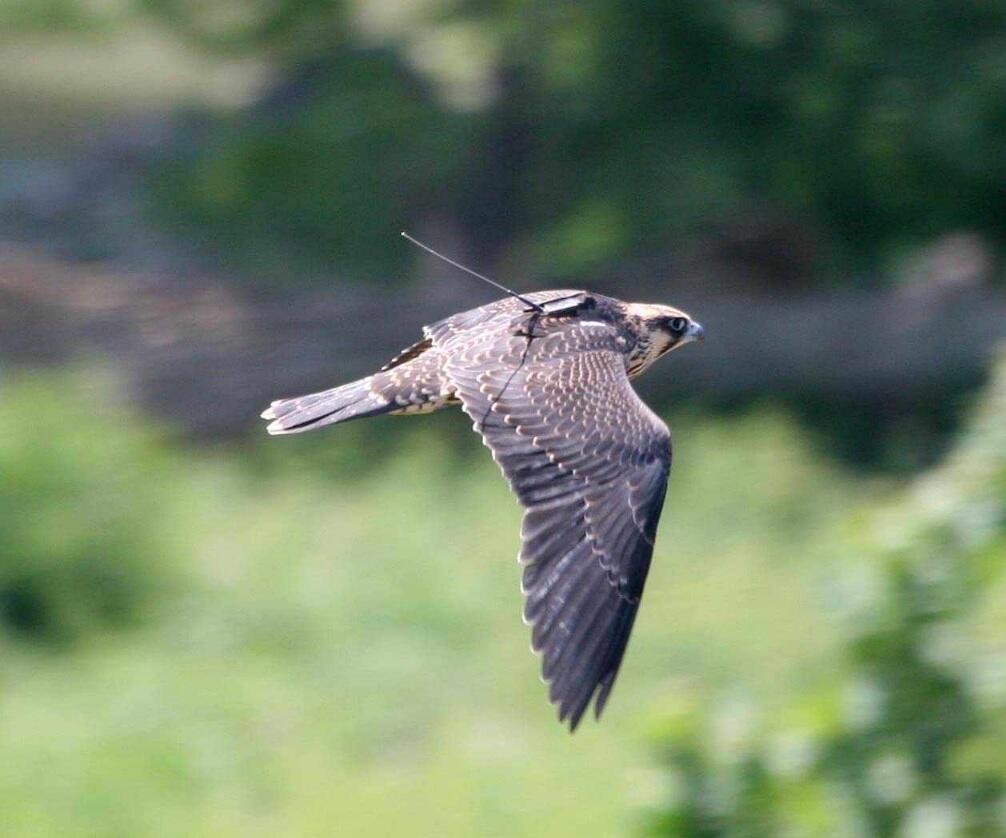
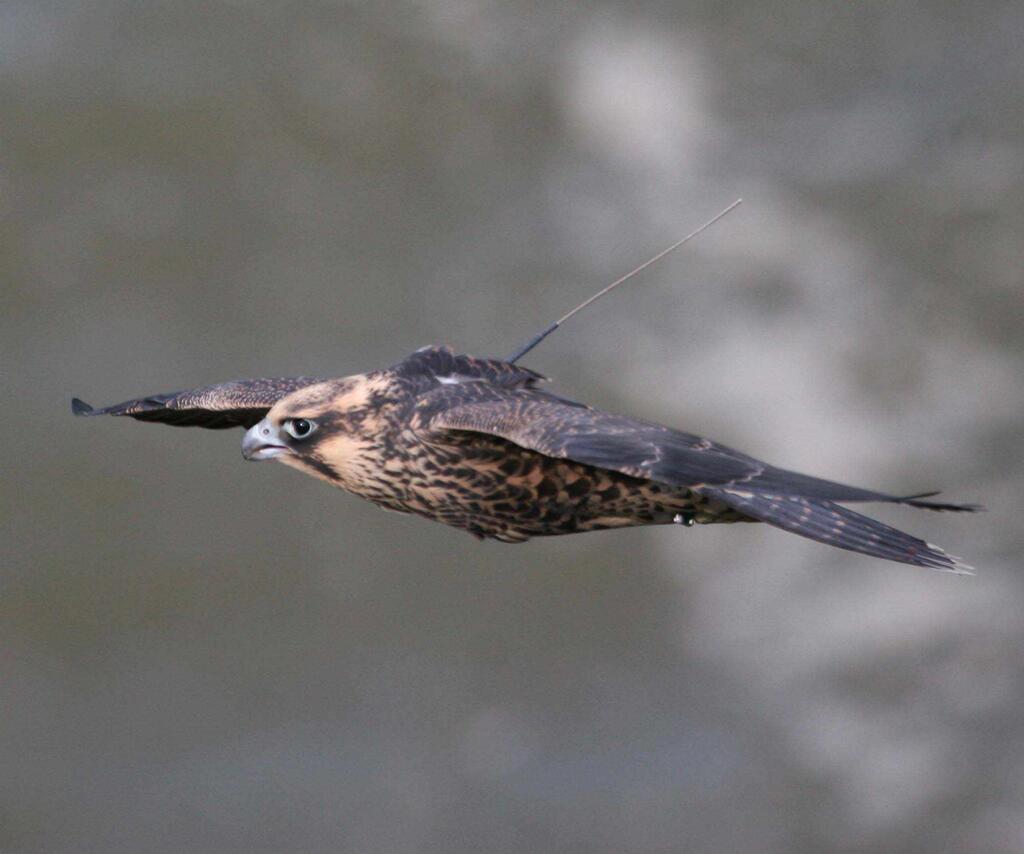
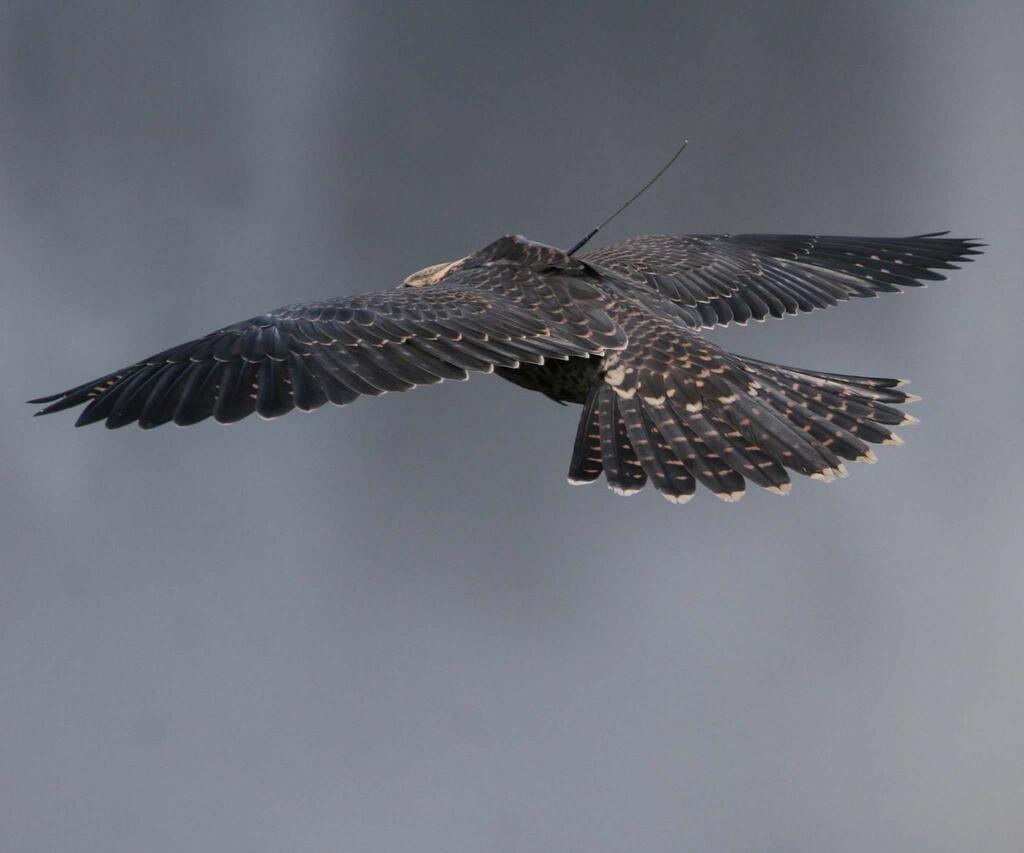
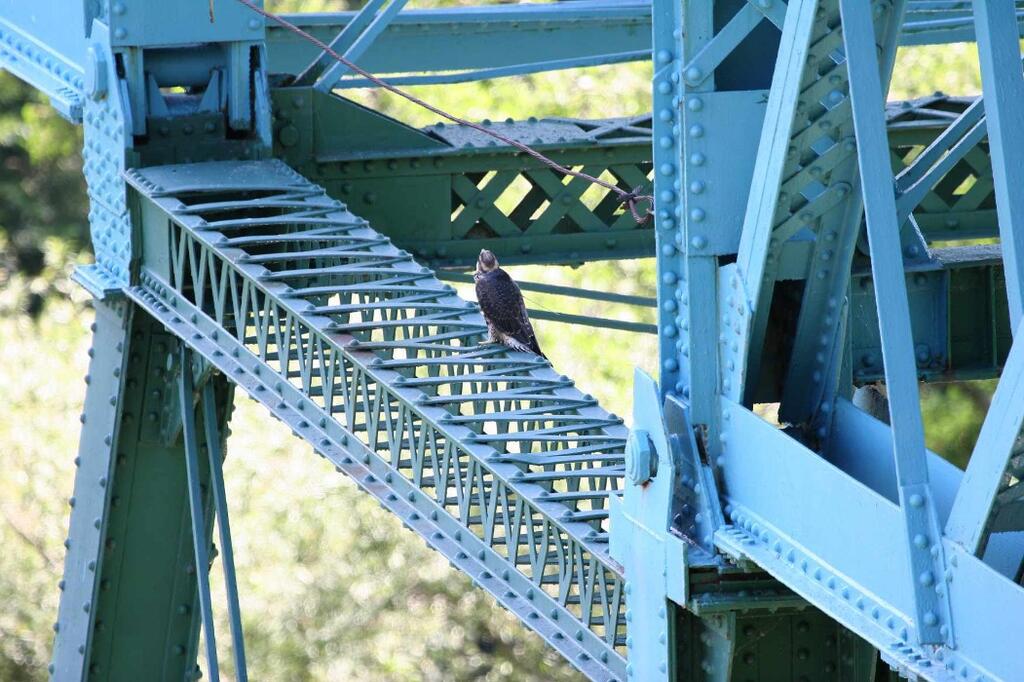
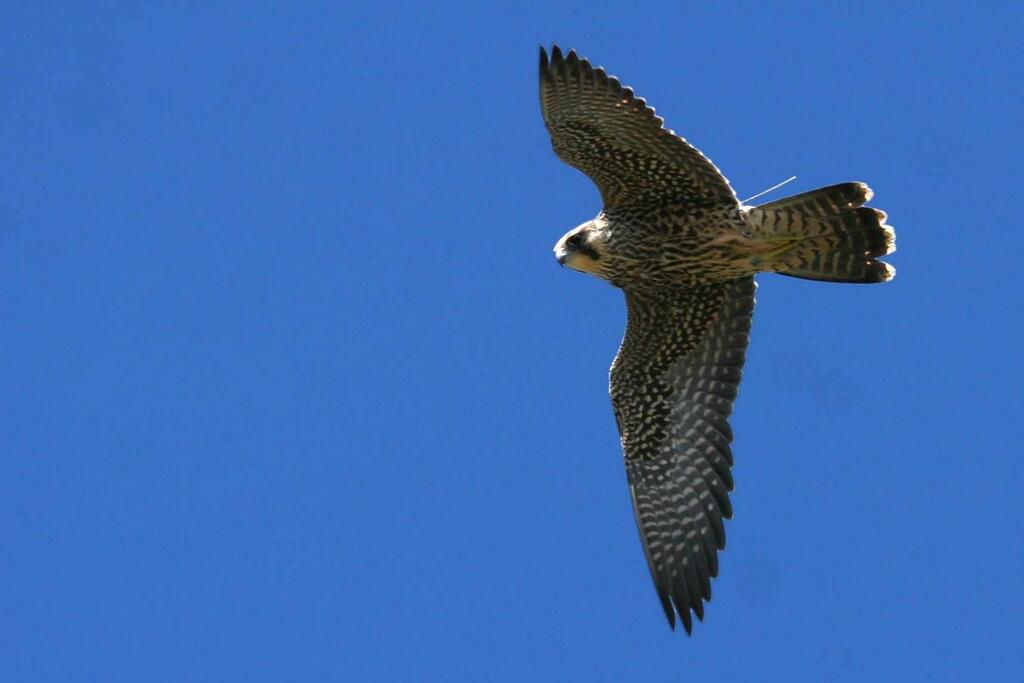
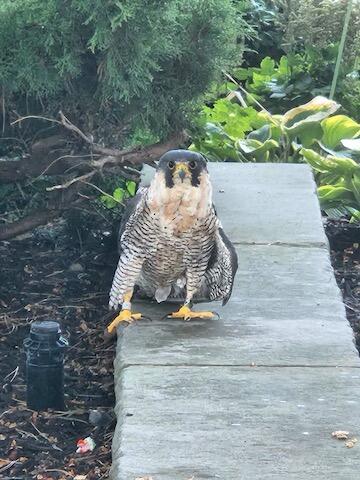
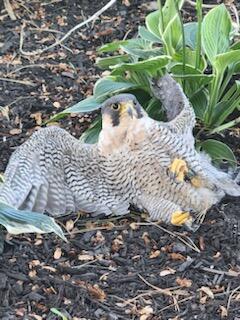
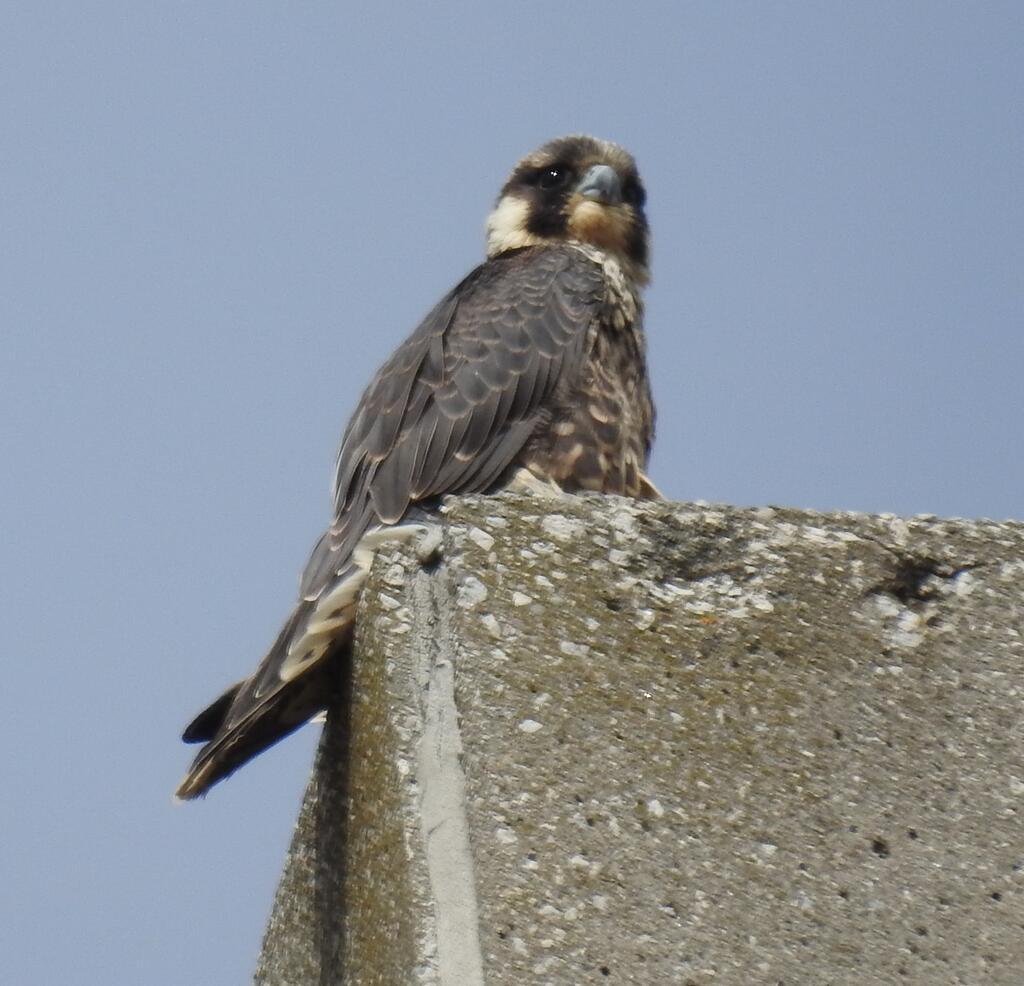
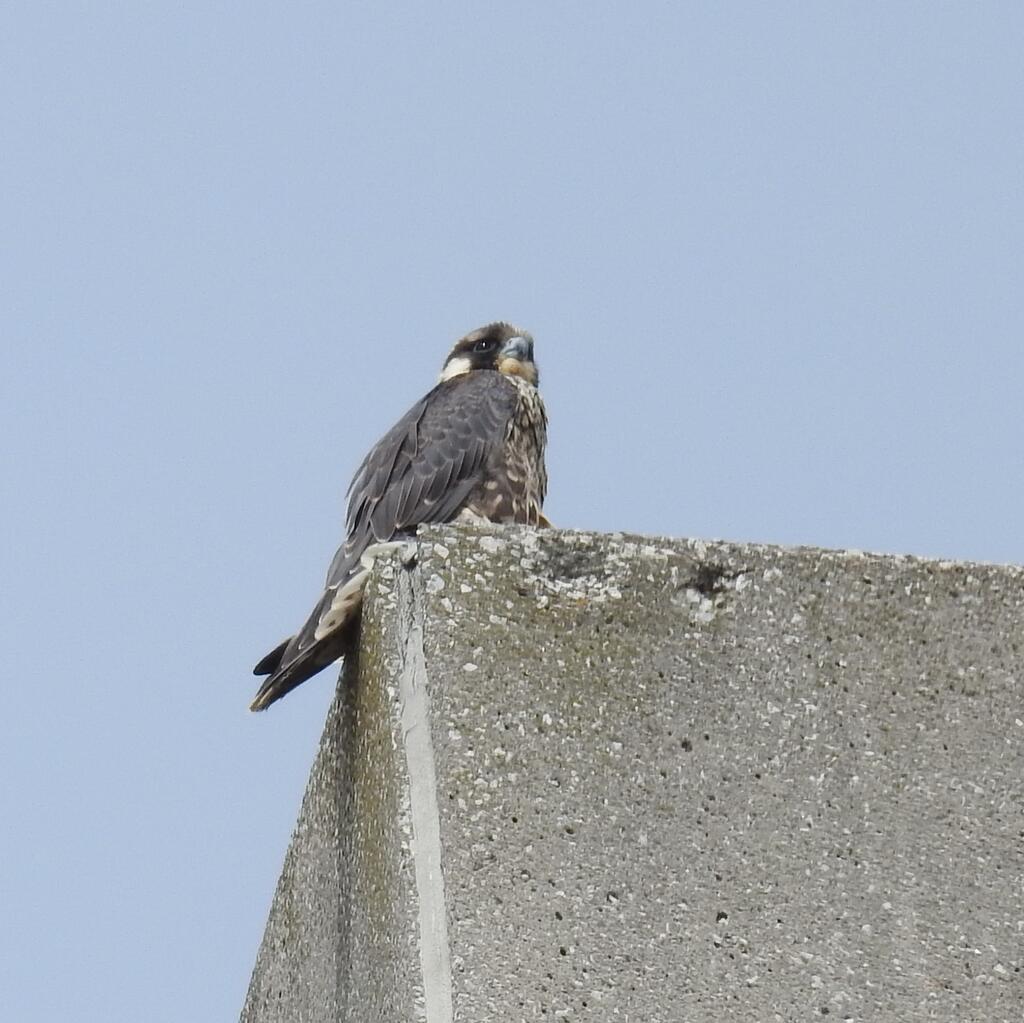
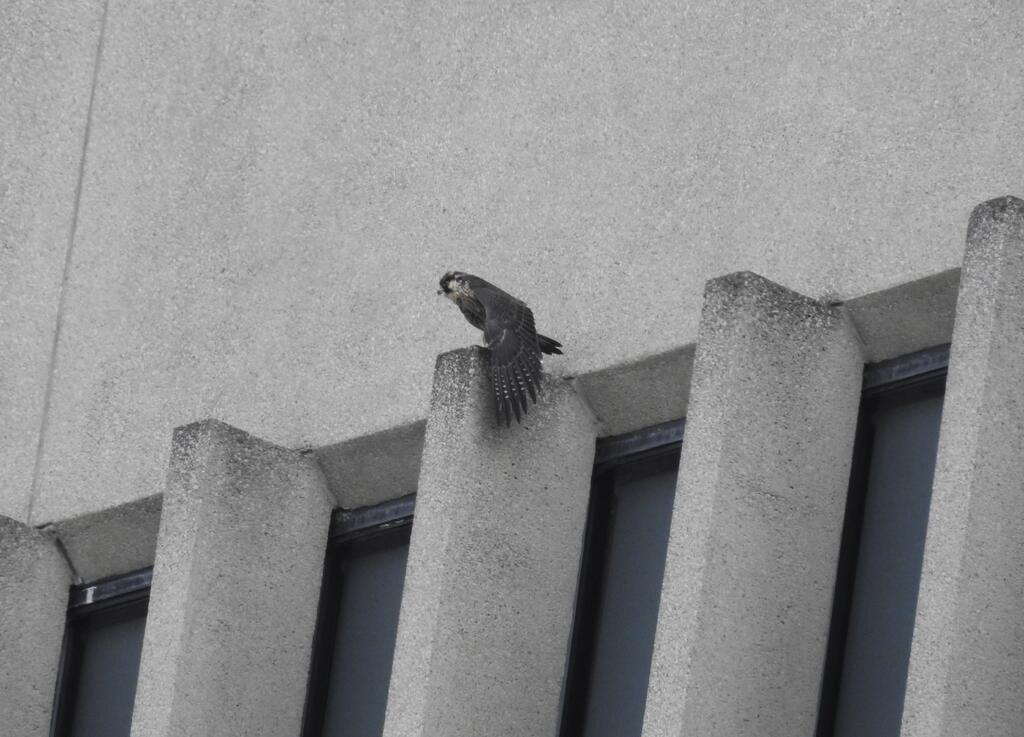
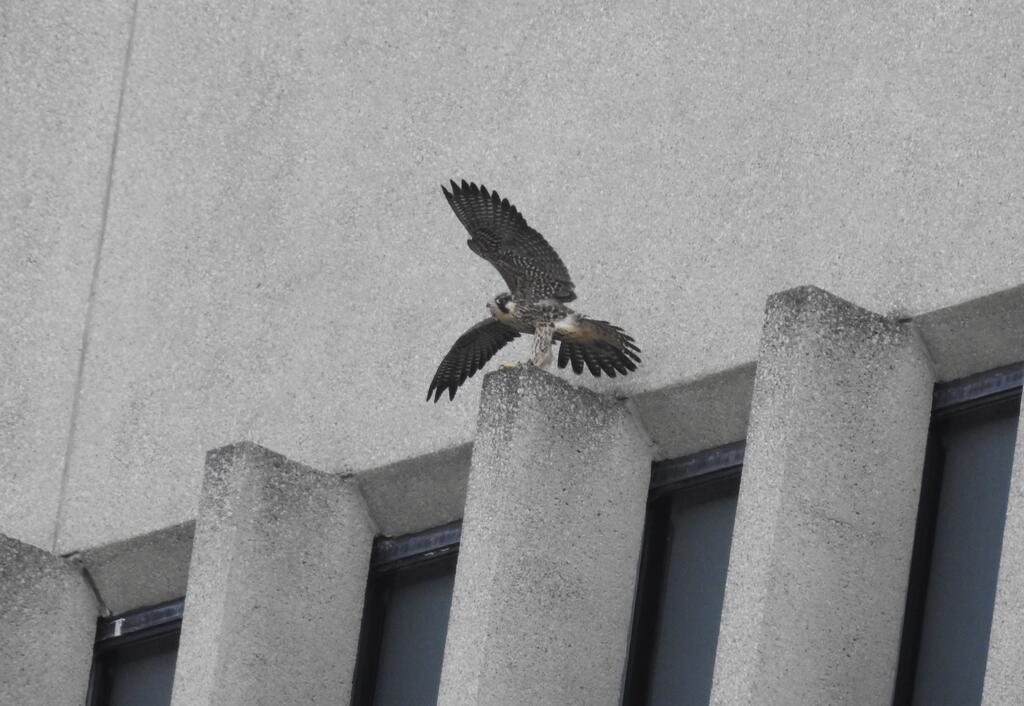
Sally and I went by Tues (Mar 12) evening. We found both on the building across from the nest box. Soon we saw mating! If we don’t already have an egg(we can’t see in the nest box unfortunately) we should soon!!
Sally got a picture of the mating! Thanks for the pics Sally
Posted on March 15, 2024 8:48 pm
March 04, 2024 - Toronto - Don Mills
Cathy Kerr Reports:
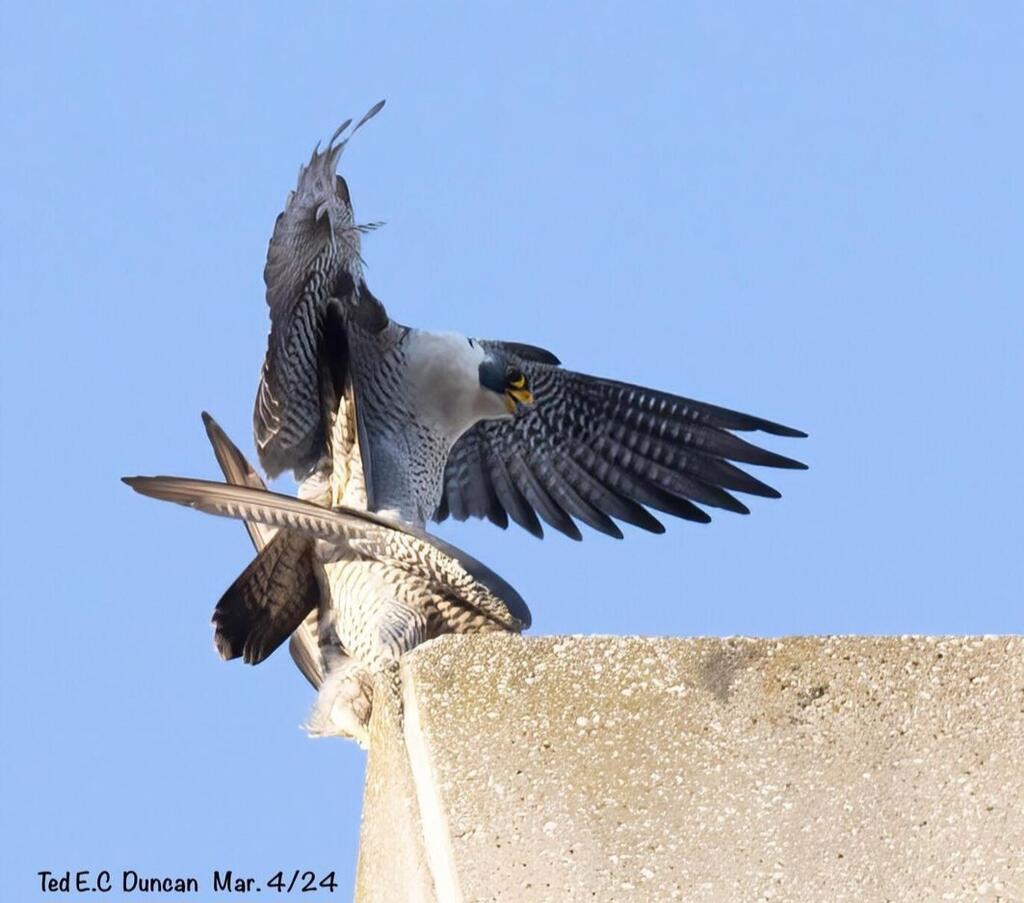
Ted Duncan was by and caught Canuck and his lady Bellatrix mating! Good news for the site… Egg watch on
Thanks Ted!
Posted on March 11, 2024 3:20 pm
January 27, 2024 - Toronto - Don Mills
Cathy Kerr Reports:
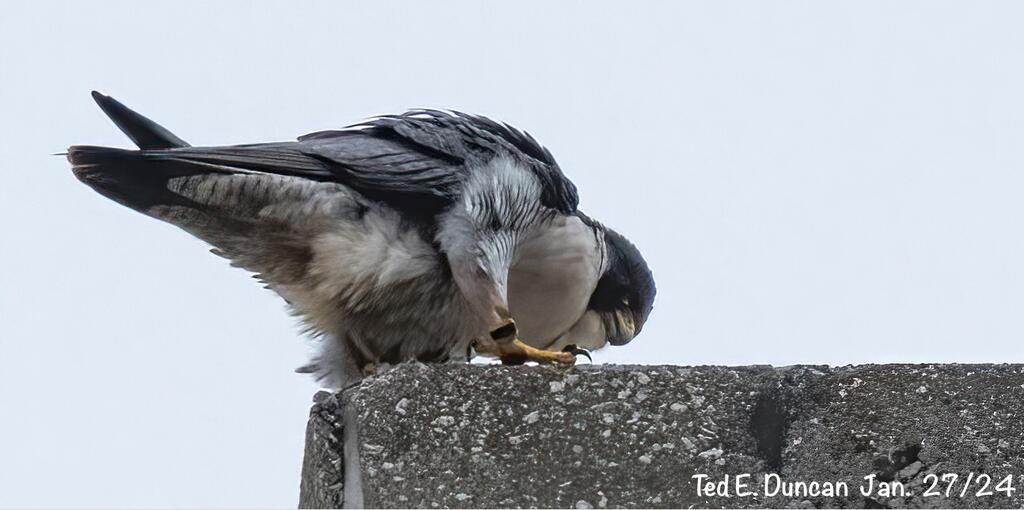
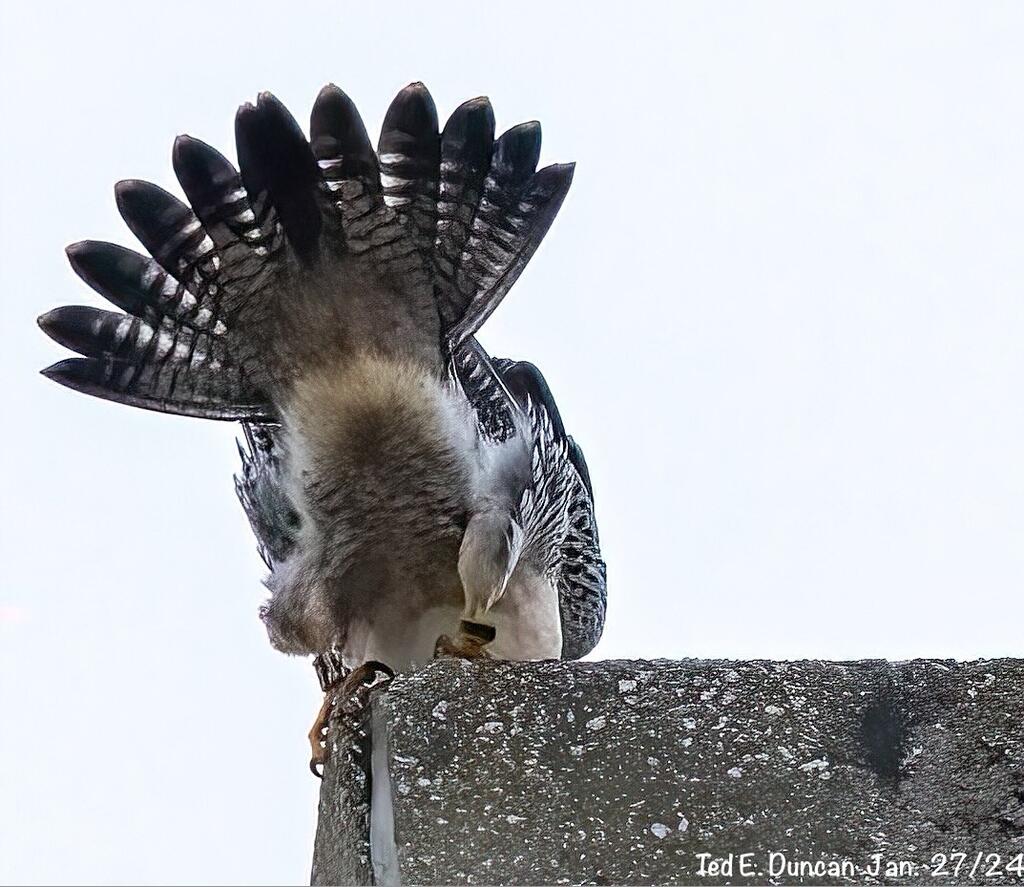
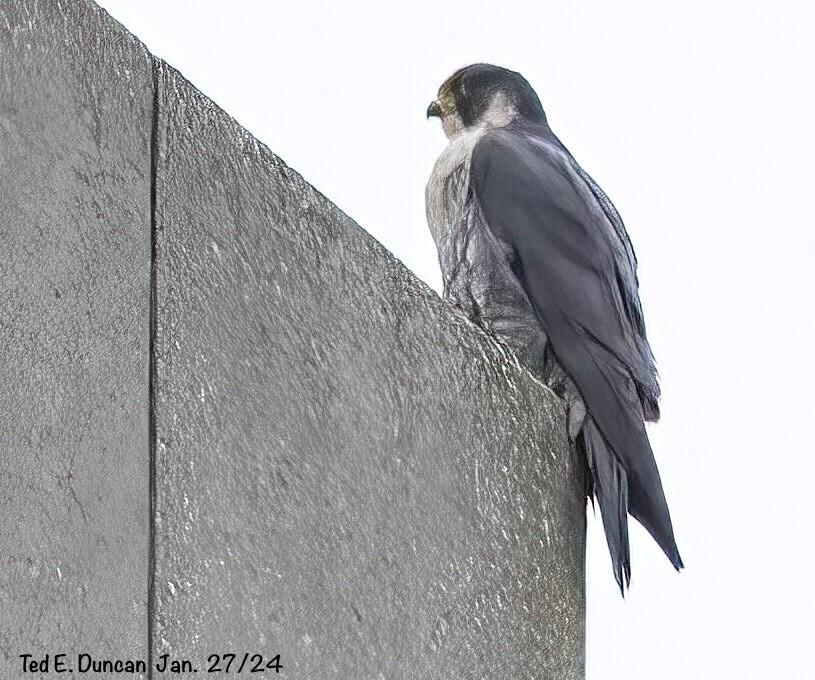
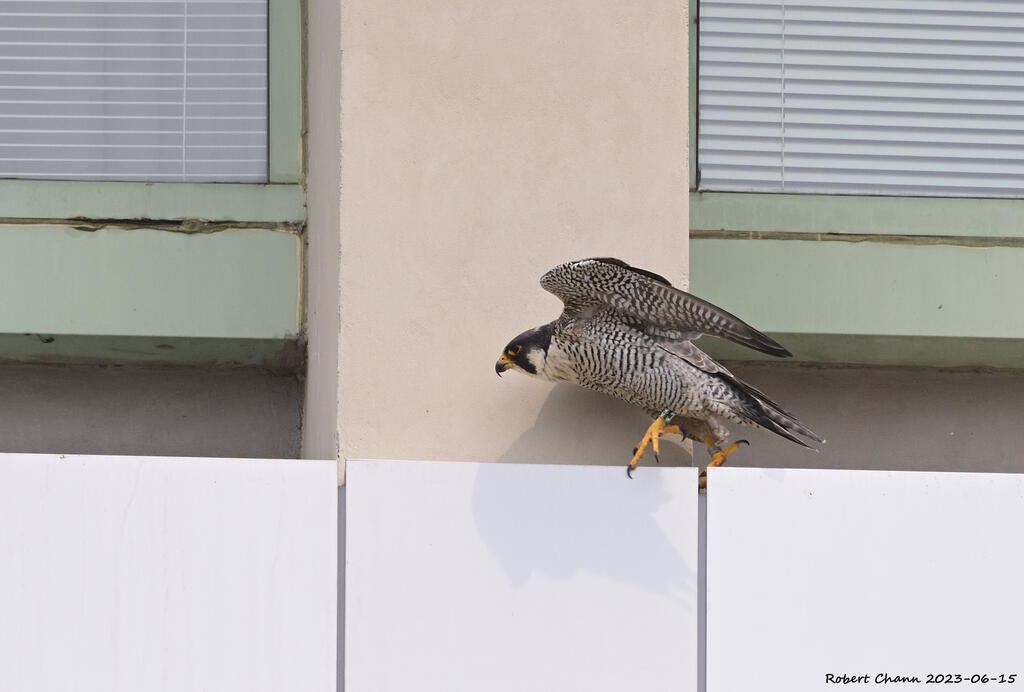
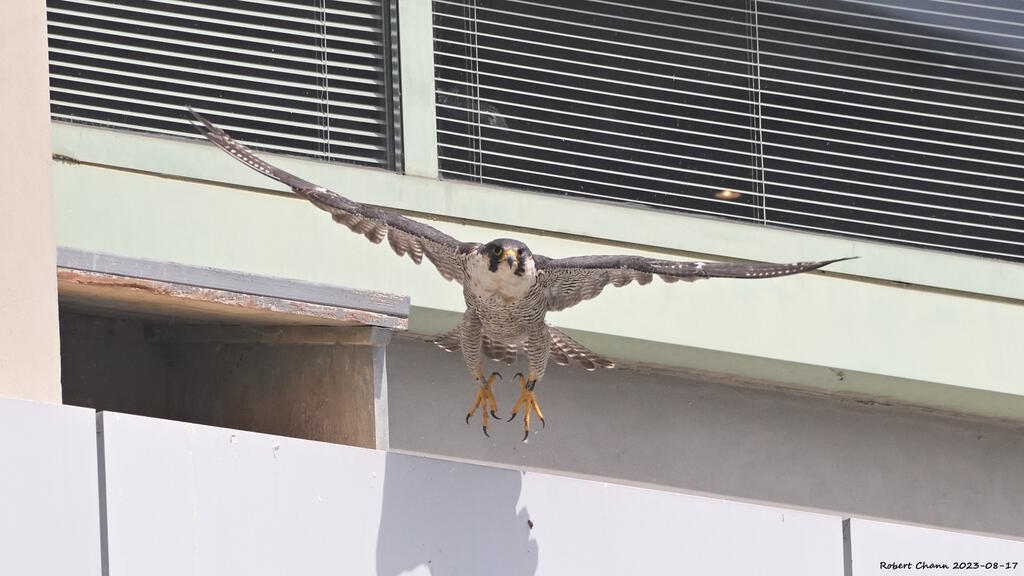
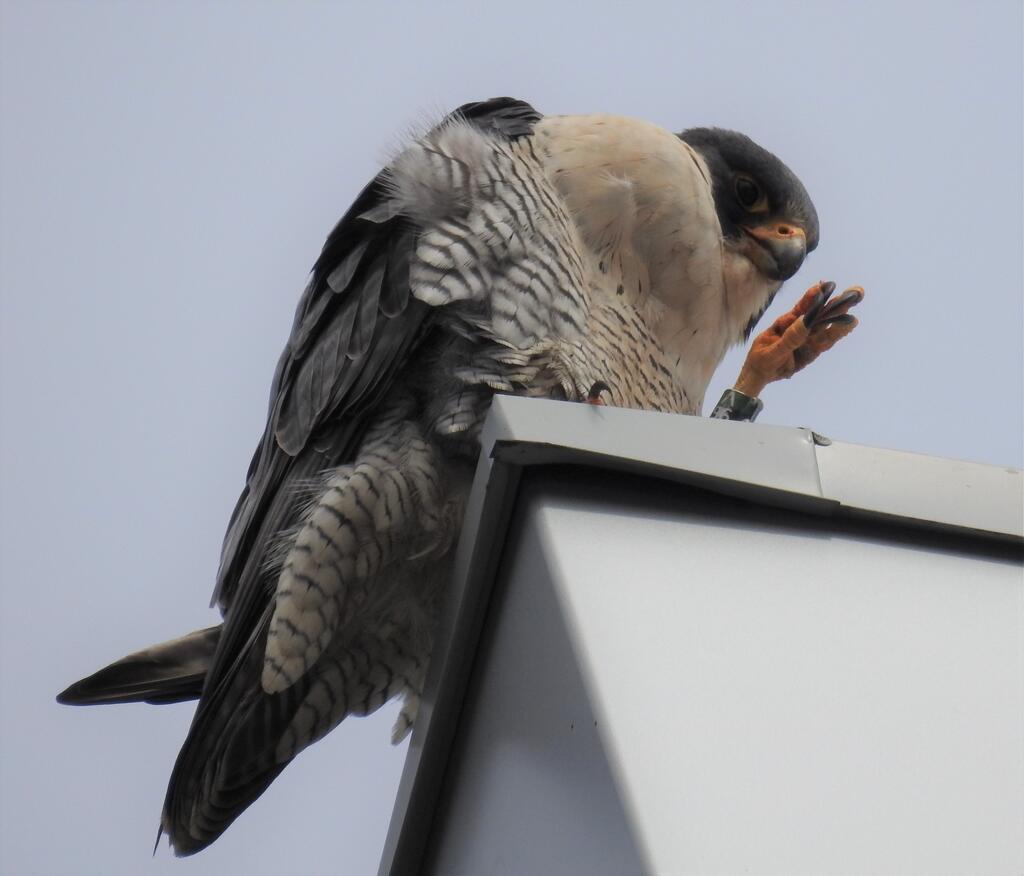
More good news, this time from the Don Mills site! Canuck has been positively ID’d and he’s with a female. Ted was there yesterday and they both showed up for him. Canuck obliged nicely showing his bands but who we think is Bellatrix, would not even give a peek at her legs! Shy I guess lol. Without seeing her legs, we can’t say for certain it’s her. But there will be lots of time for that!
So glad Canuck is still there…. Mating season is around the corner. Can’t wait!
Thank you Ted for the great pics.
Posted on March 11, 2024 3:15 pm
January 27, 2024 - Toronto - Don Mills
Cathy Kerr Reports:
Some good news from the Don Mills site! Canuck has been positively ID’d and he’s with a female. Ted was there yesterday and they both showed up for him. Canuck obliged nicely showing his bands but who we think is Bellatrix, would not even give a peek at her legs! Shy I guess lol. Without seeing her legs, we can’t say for certain it’s her. But there will be lots of time for that!
So glad Canuck is still there…. Mating season is around the corner. Can’t wait!
Thank you Ted for the great pics.
PICTURES TO FOLLOW!
Posted on January 28, 2024 8:24 pm
September 10, 2023 - Toronto - Don Mills
Cathy Kerr Reports:
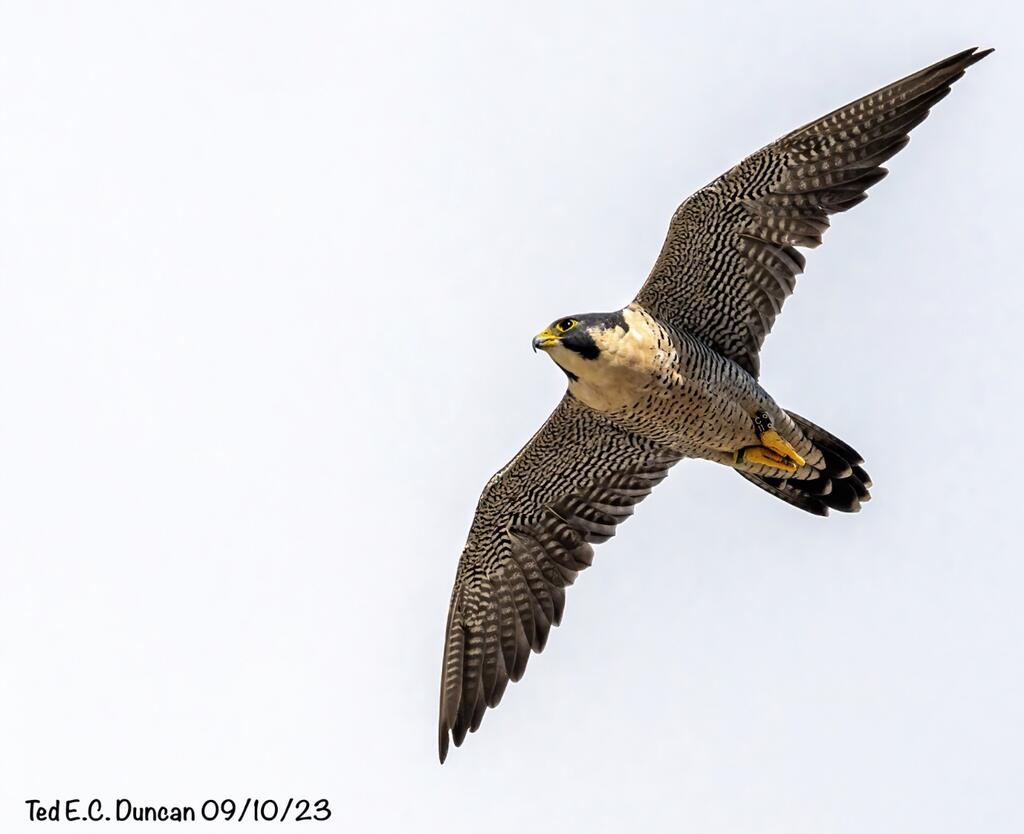
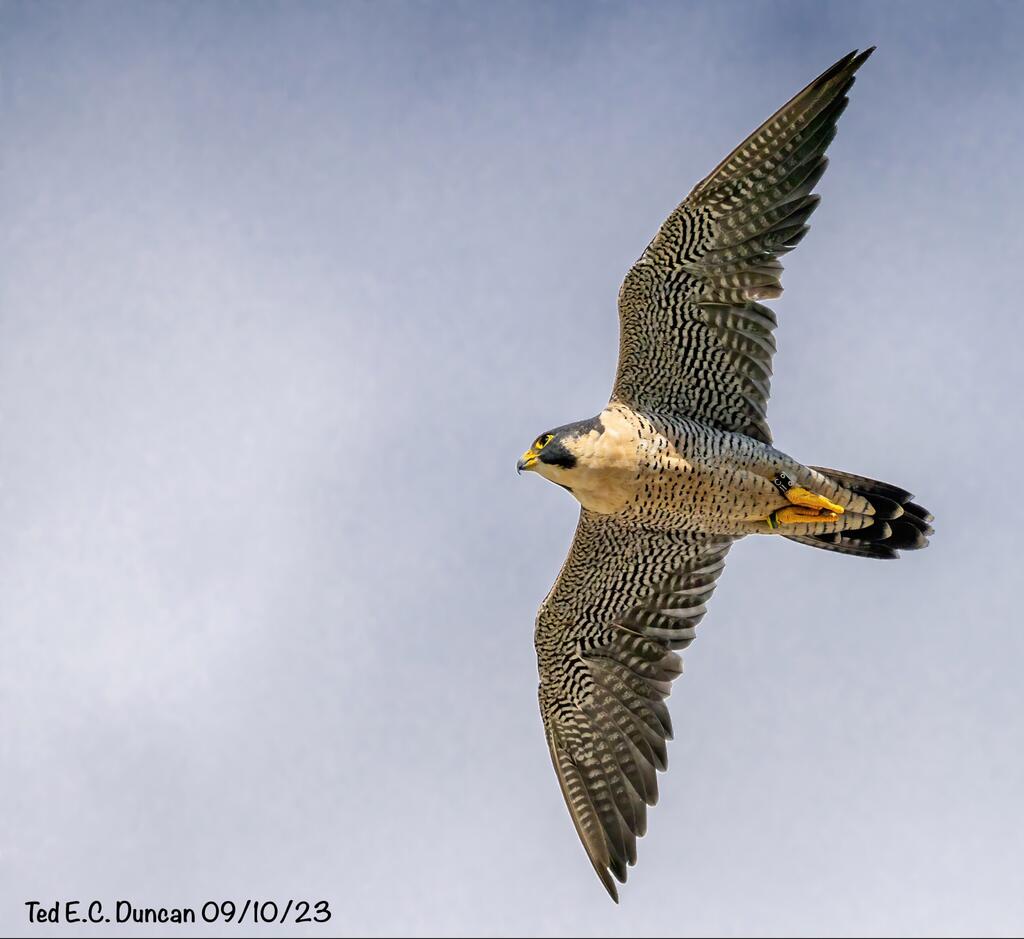
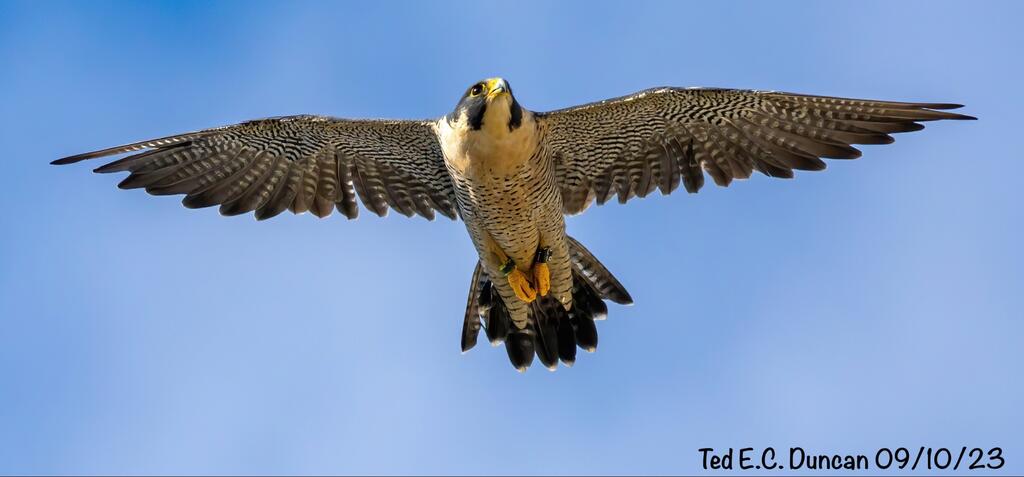
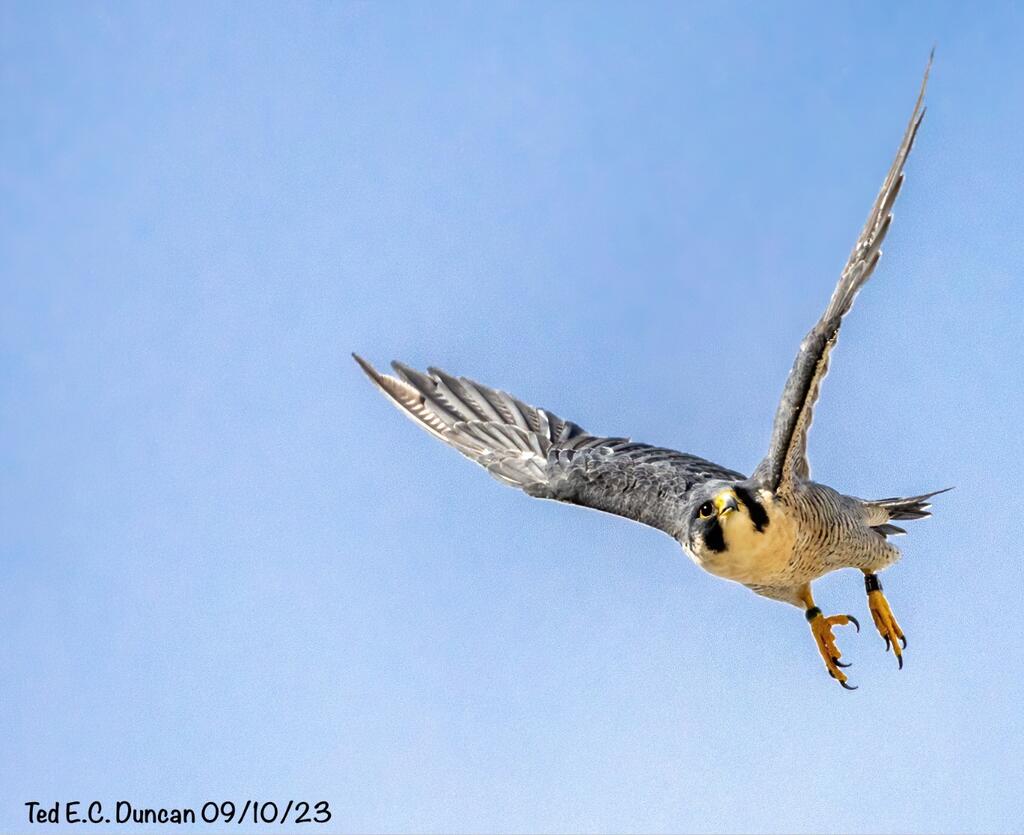
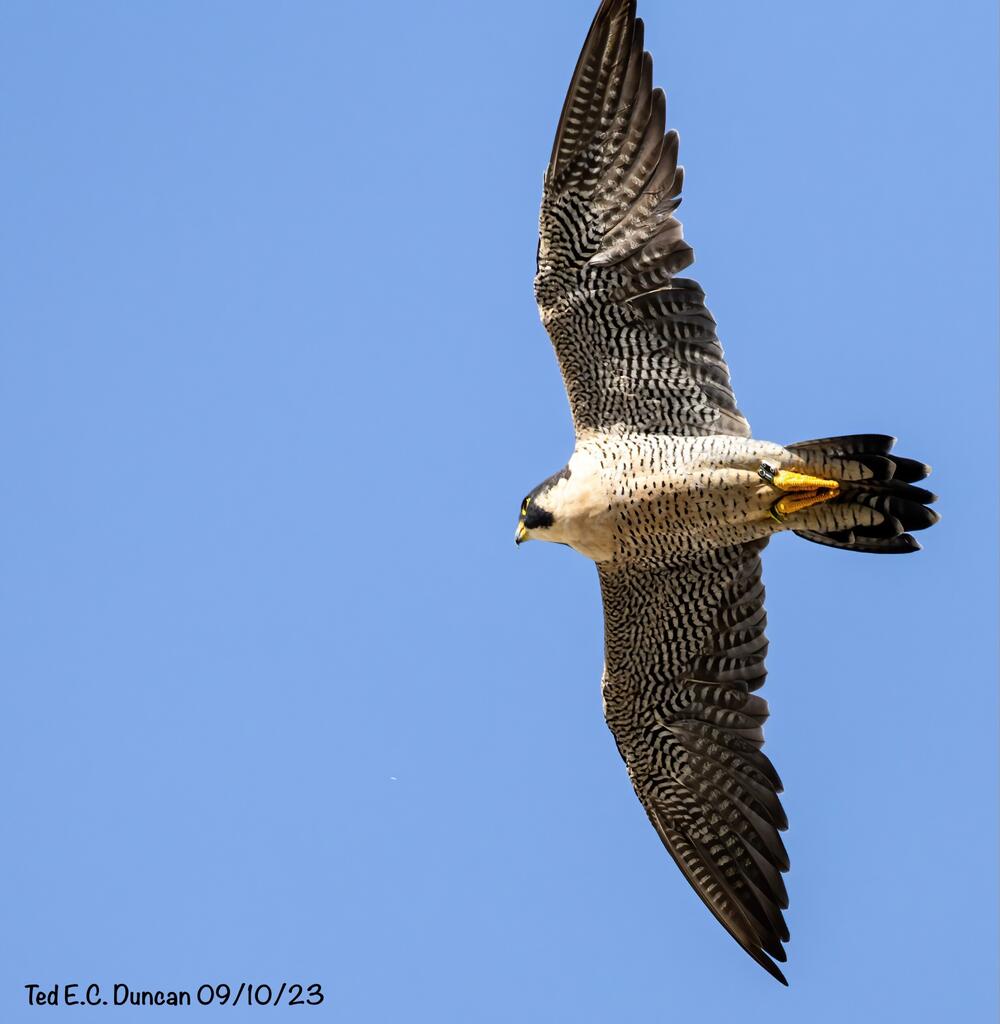
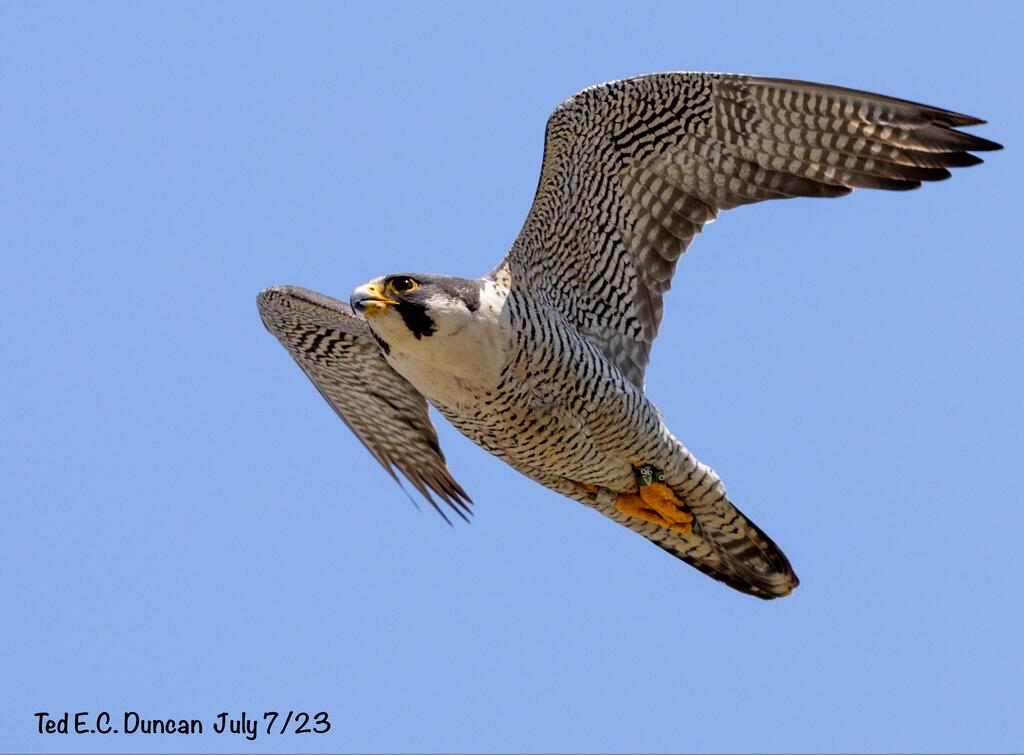
Well great news! Ted let me know (late last night after I posted lol) that he had seen Canuck yesterday later afternoon but didn’t see the new girl! I am very happy to share Ted’s pictures of Canuck!!!
Posted on September 11, 2023 7:05 am
September 10, 2023 - Toronto - Don Mills
Cathy Kerr Reports:
For the past 4 days I have seen an unbanded female on site. I have not had eyes on Canuck any of those days. I know it’s hard to see(believe me!) but it is nature. And I really want this site to continue.. And that through Canuck, Quest and Mystery’s legacy can continue.
As she is unbanded, we cannot say for sure if she is the same female from the spring. Nor can we say if she had anything to do with Quest’s injury. We will never know. And who knows if she will be here in the spring? For now, we watch.
Posted on September 10, 2023 8:11 pm
September 03, 2023 - Toronto - Don Mills
Cathy Kerr Reports:
Farewell Quest part 2:
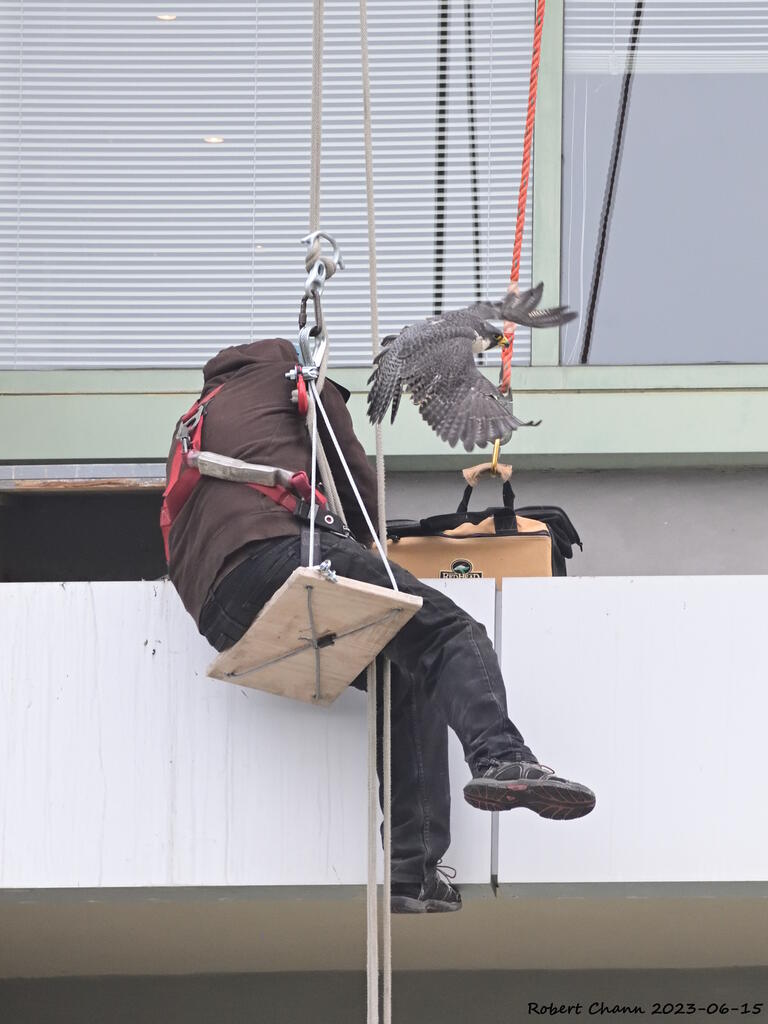
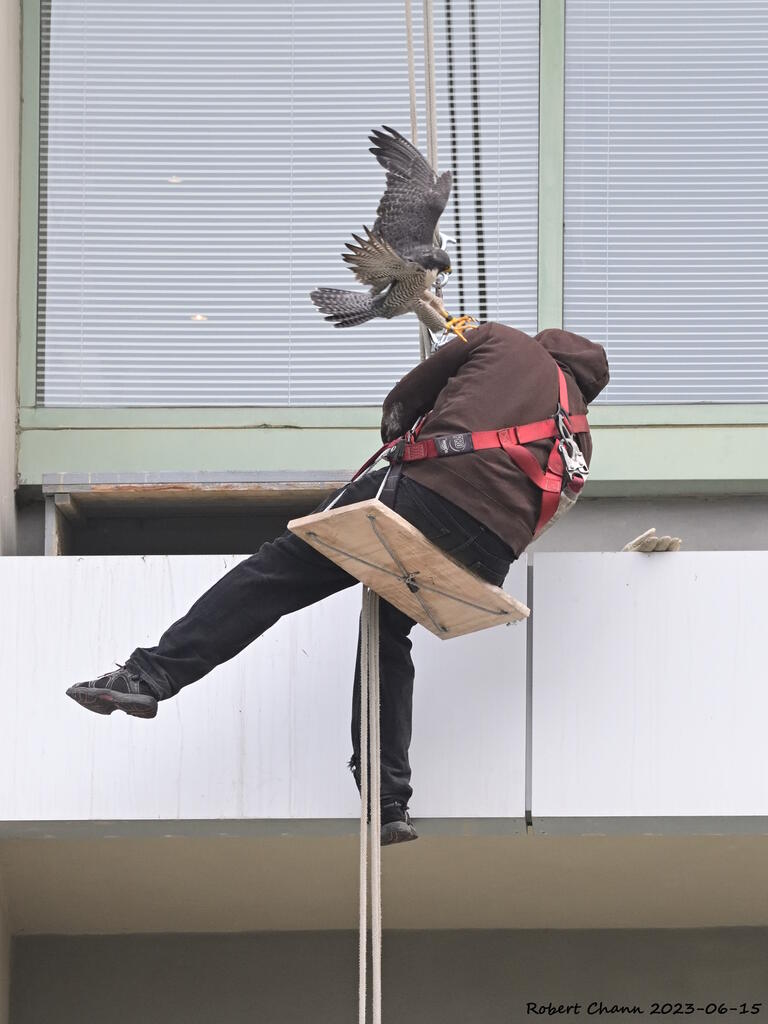
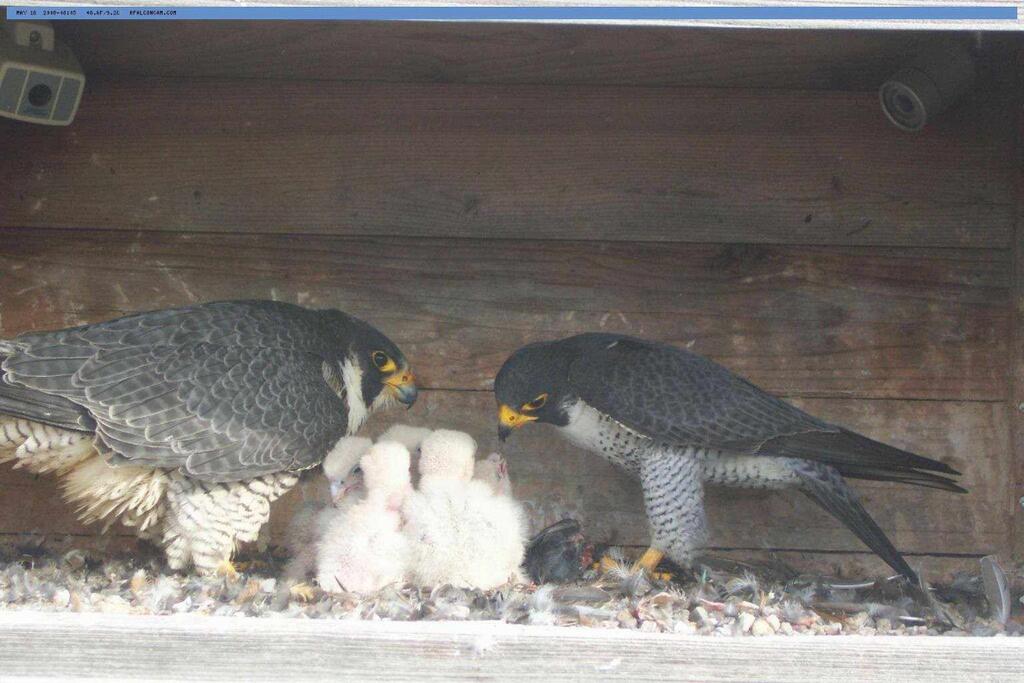
So this really is goodbye… She was fierce, beautiful, magnificent, tough as nails, a warrior, a great mom to 40 chicks! She came to Don Mills in 2011, Kendall in tow. The people at the nest building imbraced them and so did the people across the street - Harlequin! Up until they left (2018 I believe??) we had some wonderful eyes and ears (Sally would hear that juvie scream as they raced between the buildings, chasing Mom or Dad or each other) on our girl. And Quest never left. The guys would leave, sometimes months at a time it seemed but she stayed to protect her territory. And they always returned, until they couldn’t. She always ruled the roost… She would talk up a storm to her mates(5), and they would do as she told them lol. That was our girl. She would give them short stints on the eggs, or let them give a mouthful or 2 to the kids, then that was it! Her job! How many times I would laugh at poor Kendall or Mystery… They would bring in the food, try to get it to the kids but she’d snatch it from them.. The look on their faces! Then she would lovingly feed them, talking to them. Beautiful. She never liked us banding her chicks… Our climbers got an earful and sometimes a little smack! And then when we would rescue the fledglings… She watched us. And this year she showed us that she knew we’d return them… A favourite moment, watching her up on that roof, looking down, back and forth, for Valkyrie to be returned… Mark was there… Why wasn’t her boy back yet lol.. As Sally said, she’d been studying us all these years just as we had been studying her .
I loved looking back at the pictures of her early days… How the nest ledge changed… And Quest just rolled with it… Nothing seemed to phase her.
For Ramesh, Mano, Carolyn, Bob, everyone at CPF, Bruce, Kathy, Tracy (everyone has watched her) , our photographers, Ted and Rob, and especially Mark and Marion, Sally & I , it won’t be the same. She’s touched all of us.
Quest, we are going to miss you so much. Fly high our warrior queen
Posted on September 3, 2023 4:27 pm
September 01, 2023 - Toronto - Don Mills
Cathy Kerr Reports:
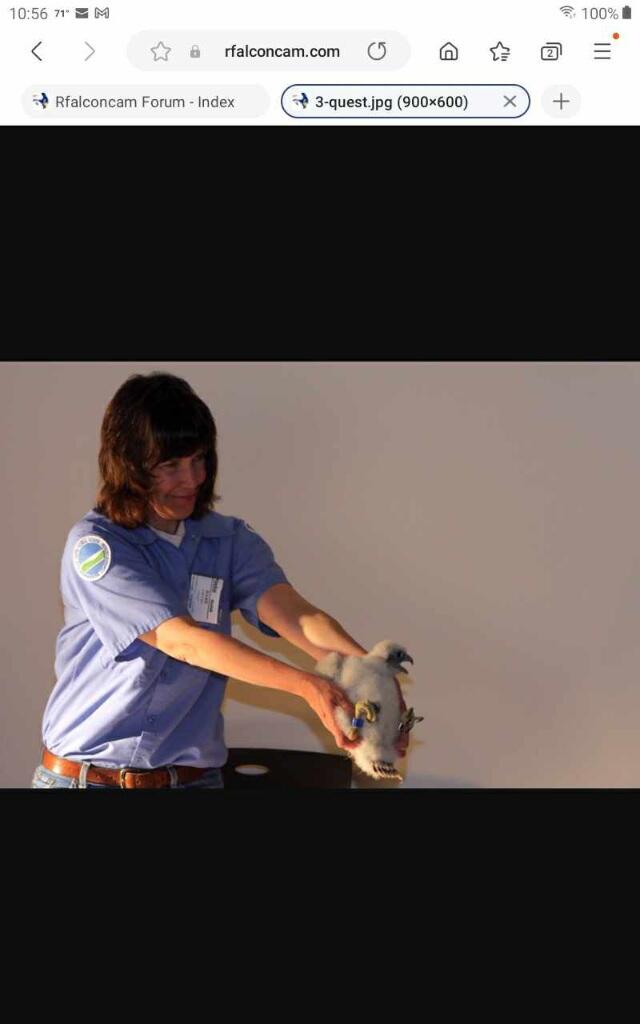
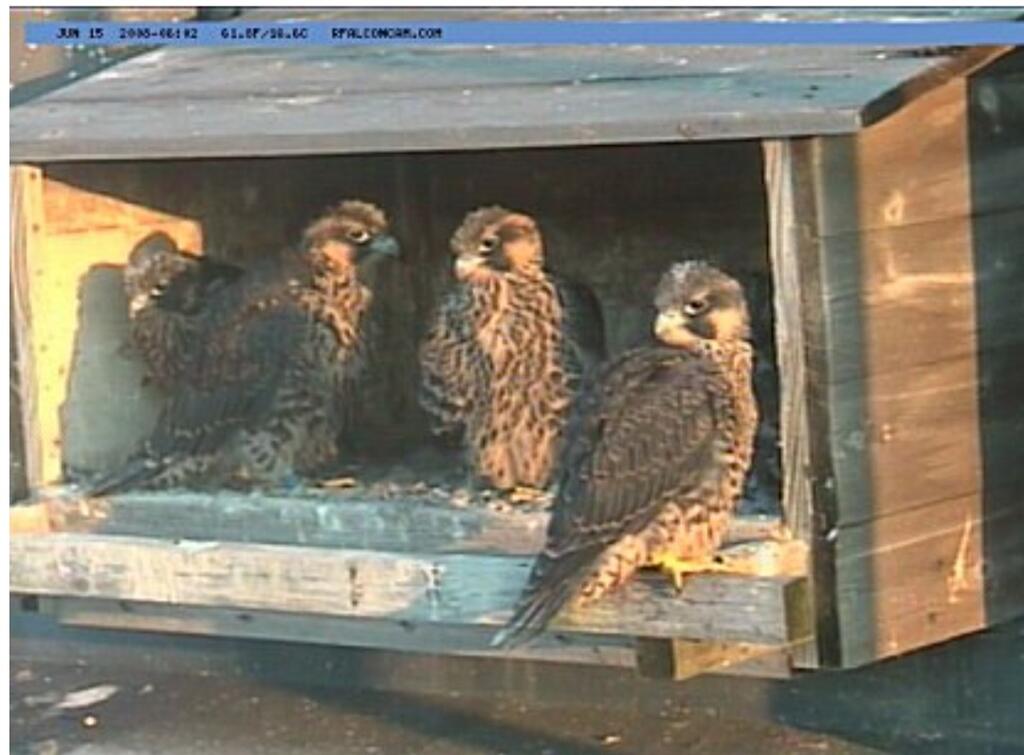
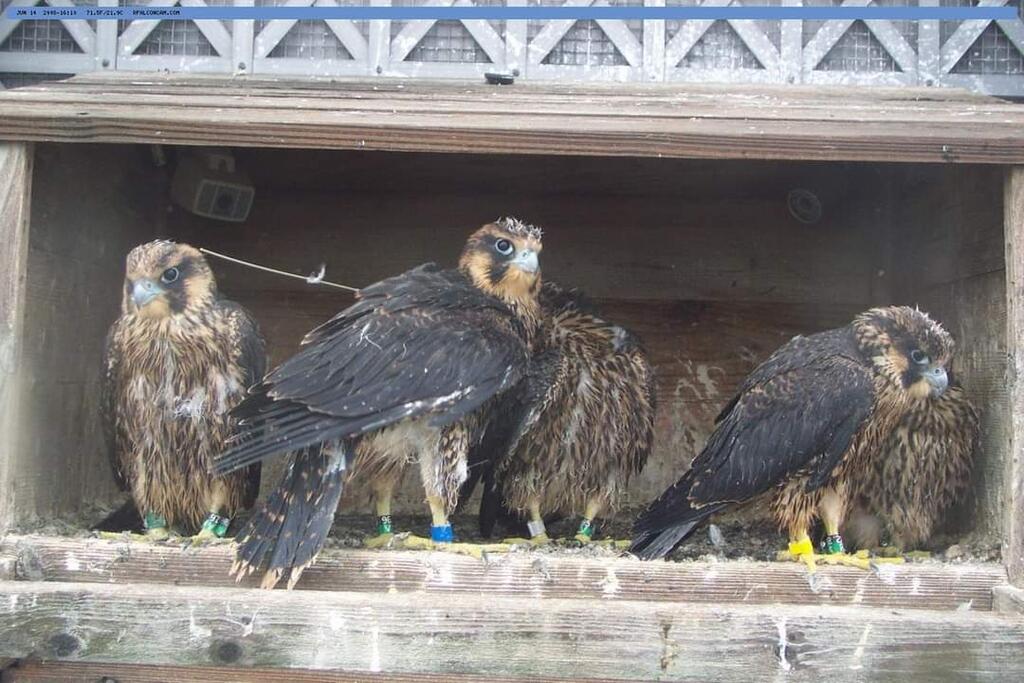
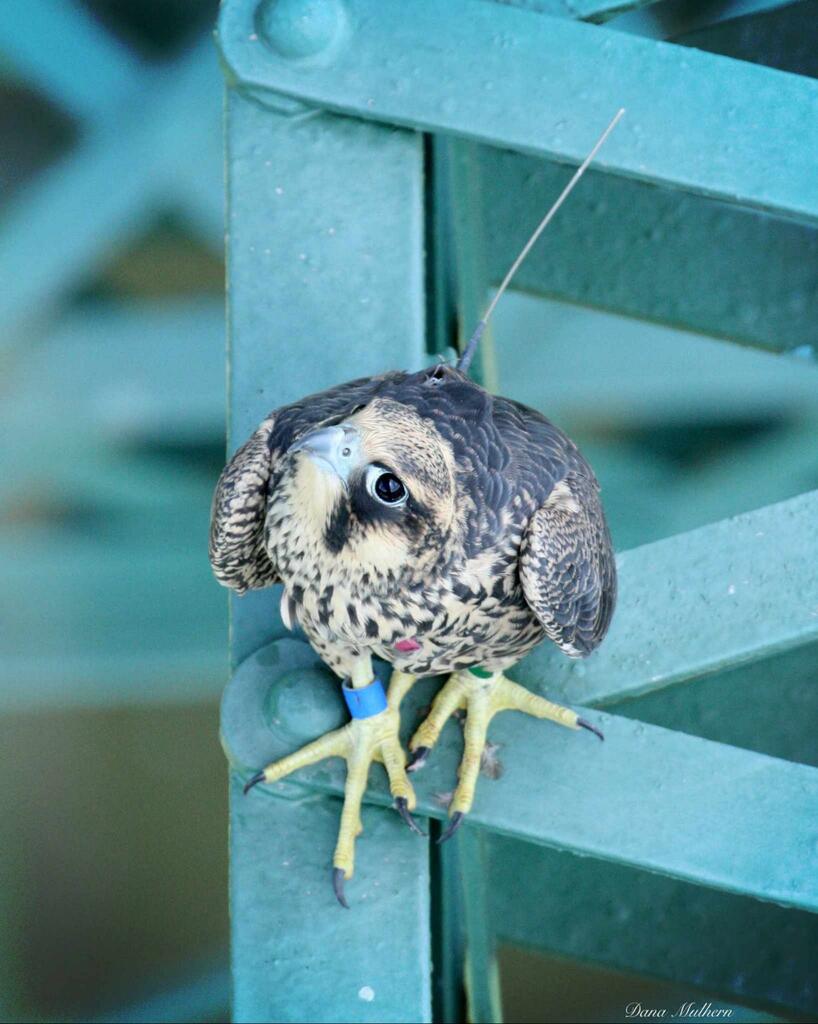
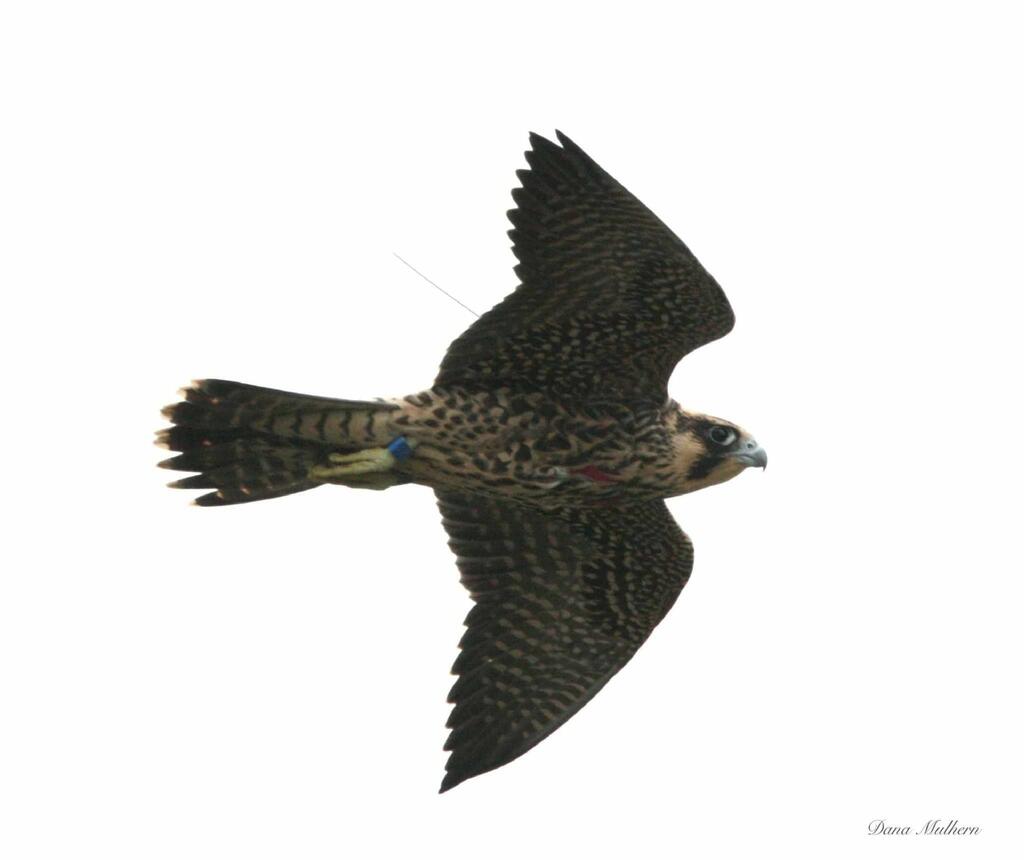
Time to say goodbye to our beautiful girl… I’m doing it in 2 parts, starting with her first 3 years. I was given the link to her Rochester home-thanks to Carol Phillips for that! Reading about her banding, where she got her name(a school!), the transmitter being put on-, by our own Mark Nash! Then you read her travels from there to Cape Cod, Nantucket, Port Colborne, New York, Montreal, Ottawa, Kingston , Pickering, Hamilton (not necessarily in that order) and finally, home. She sure had some great adventures (and lots of fans too) before she settled down here and became a Mom .
Thank you to Carol, Lou Capuano, Dana Mulhern and all the Rochester group for the pictures and info on our girl, and for their support all these years! Hopefully we will be able to follow Quest’s kids and grandkids for years to come
Posted on September 3, 2023 3:53 pm
August 22, 2023 - Toronto - Don Mills
Cathy Kerr Reports:
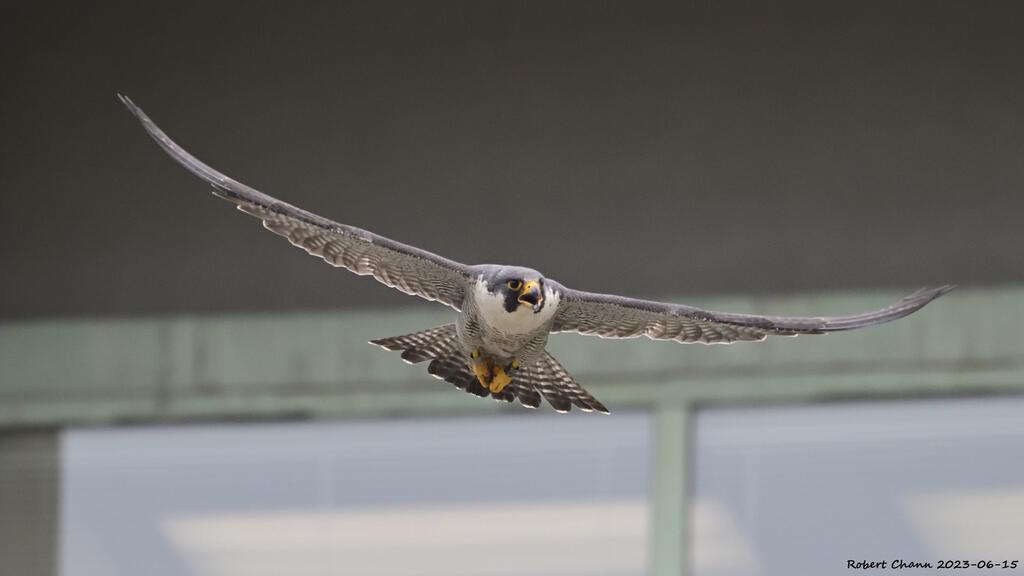
Well, I didn’t think things could get much worse but they have. Horrible news from Don Mills. I am totally devastated to have to tell you this but our beautiful girl Quest has died. Mark got the call late this afternoon of an adult peregrine down in the Don Mills area. He rushed over to find our beloved Quest. Two fabulous women, Alexis and Tiana, watched over her all day(unfortunately they did not know to call us), keeping her safe until Mark could get there. He took her right away to TWC where they x-rayed her. She had a catastrophic injury to her wing. Mark and the vet knew she would never fly again, she was in extreme pain and they did the right thing for her, they put her down. We are just gutted. I don’t know how else to put it. I can’t believe this. I saw her yesterday morning outside her nest box. Her home. Canuck was there this morning, now I know he was waiting for her. I’ll do a proper good bye later… RIP our beautiful, fierce, amazing girl.. Fly high
Posted on August 22, 2023 8:44 pm
August 14, 2023 - Toronto - Don Mills
Cathy Kerr Reports:
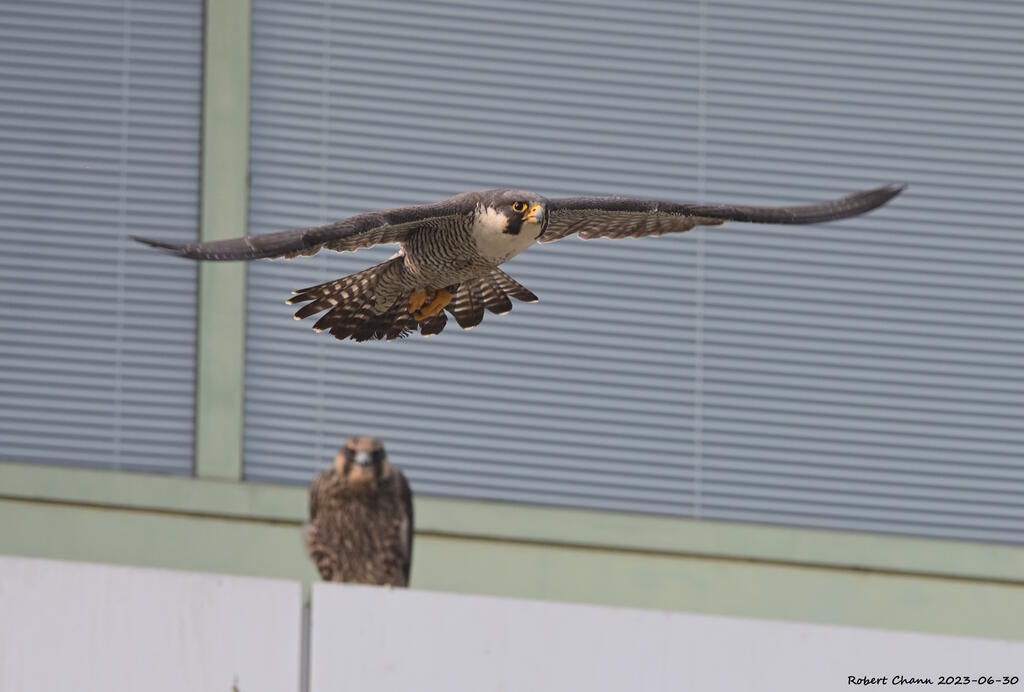
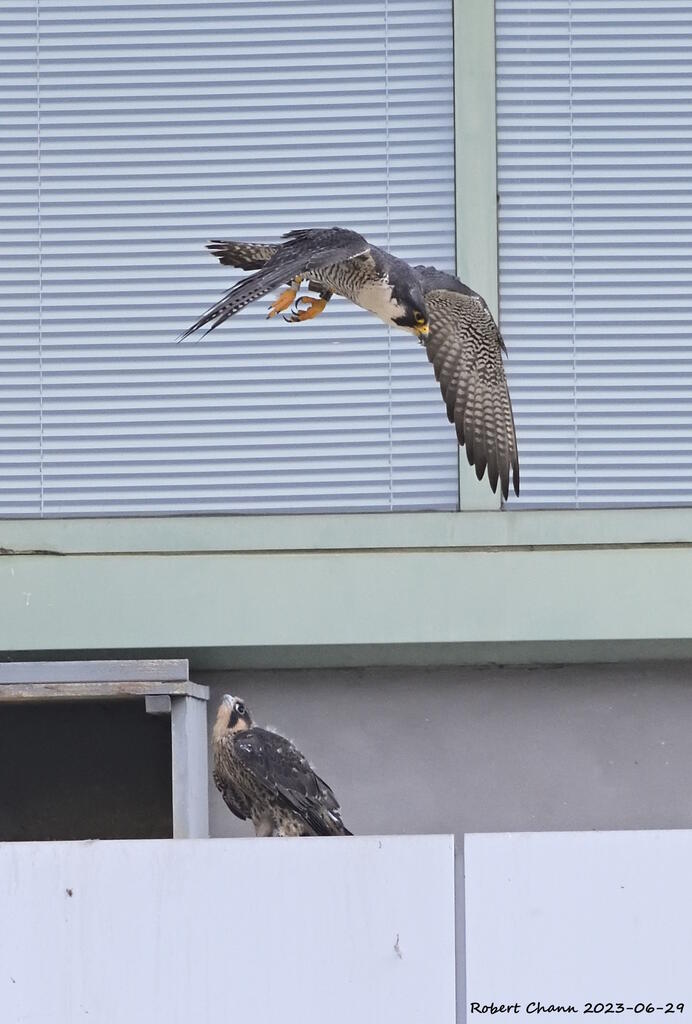
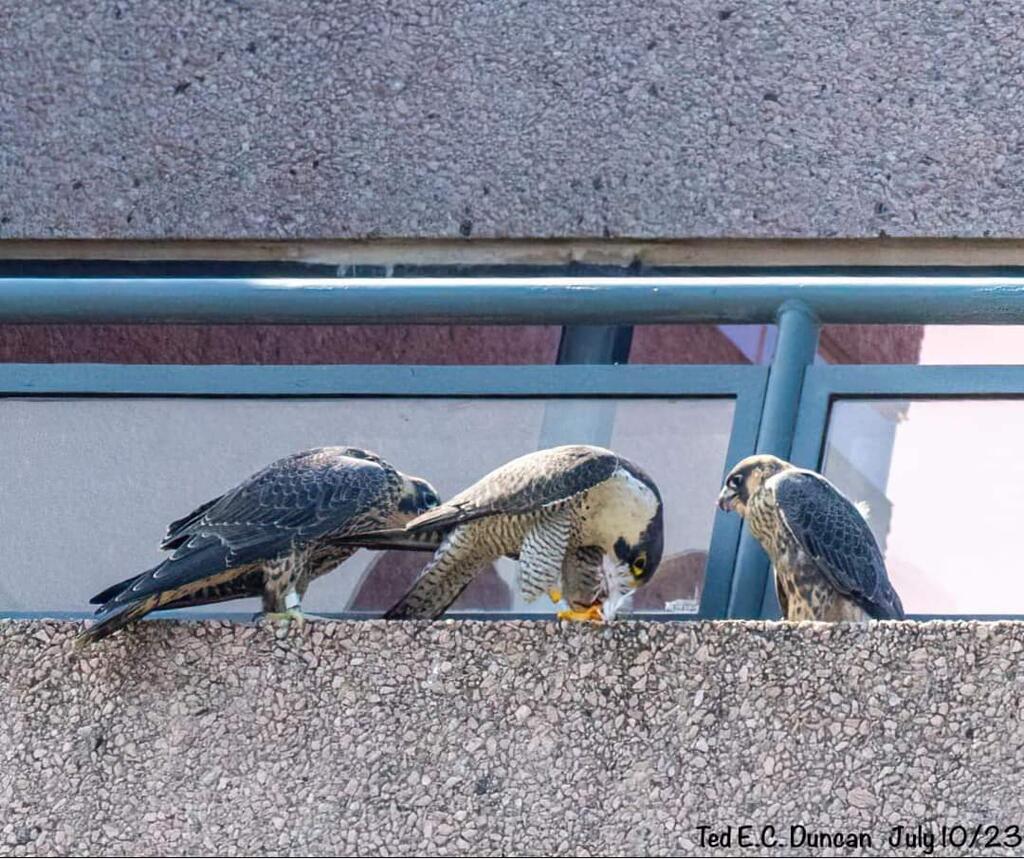
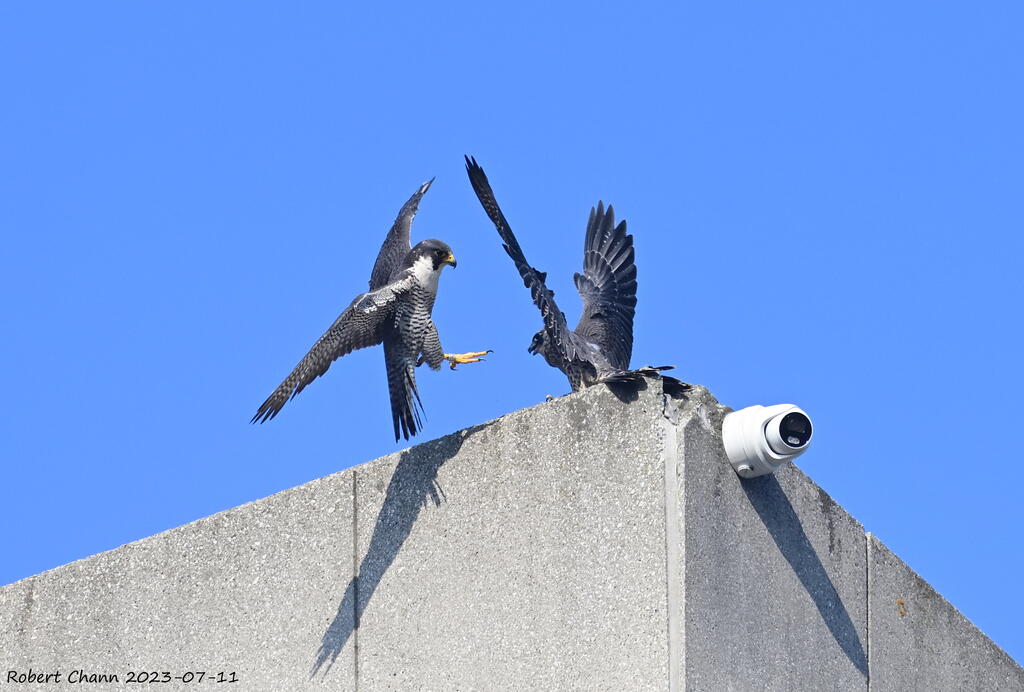
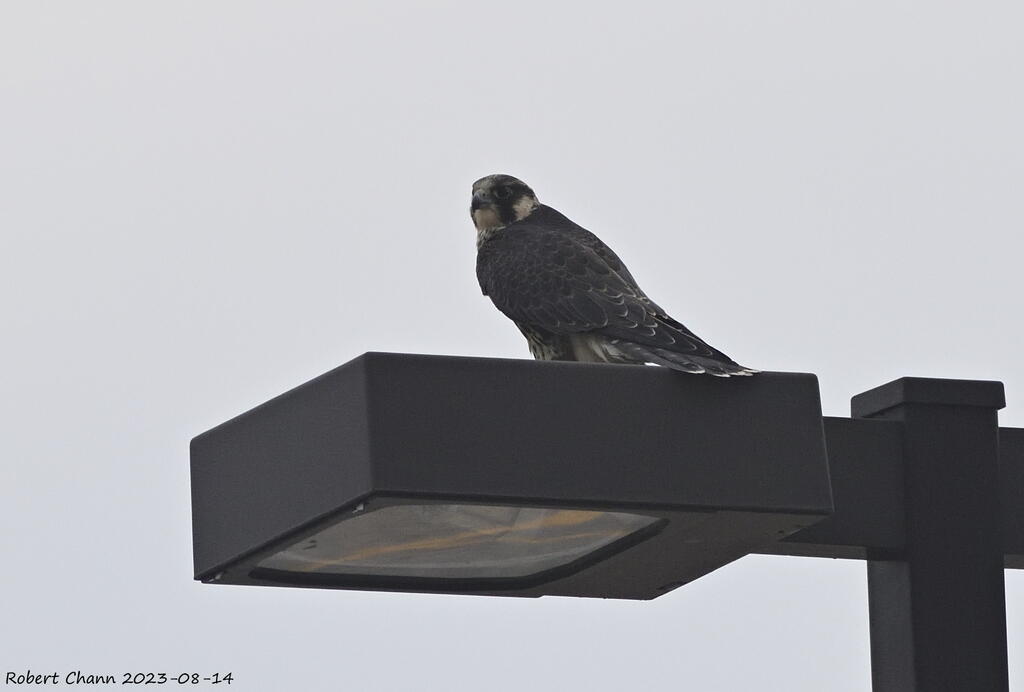
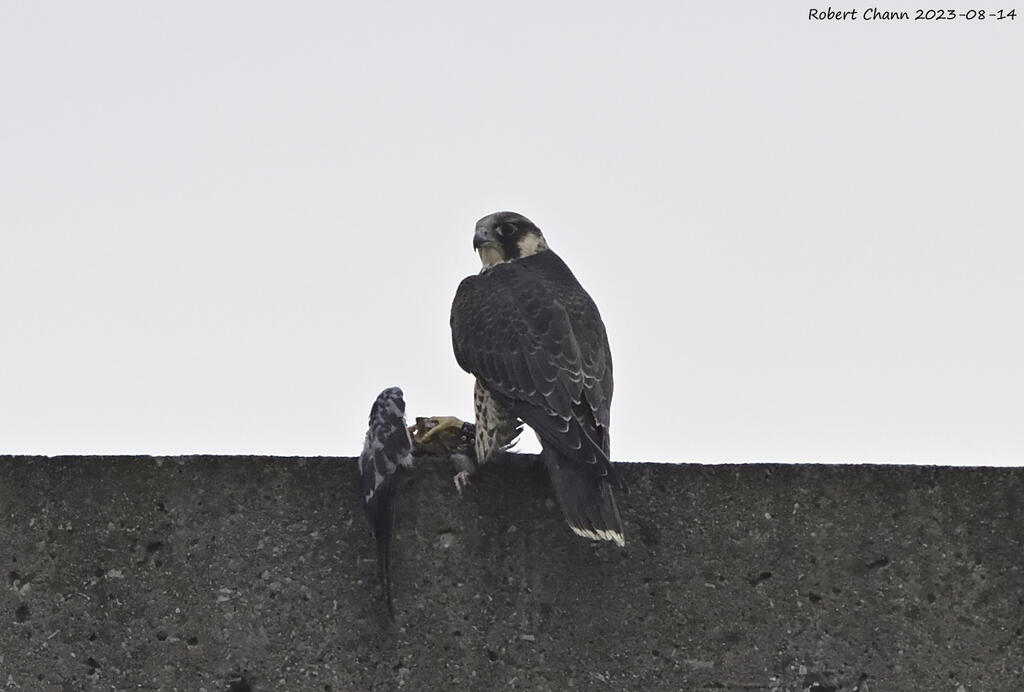
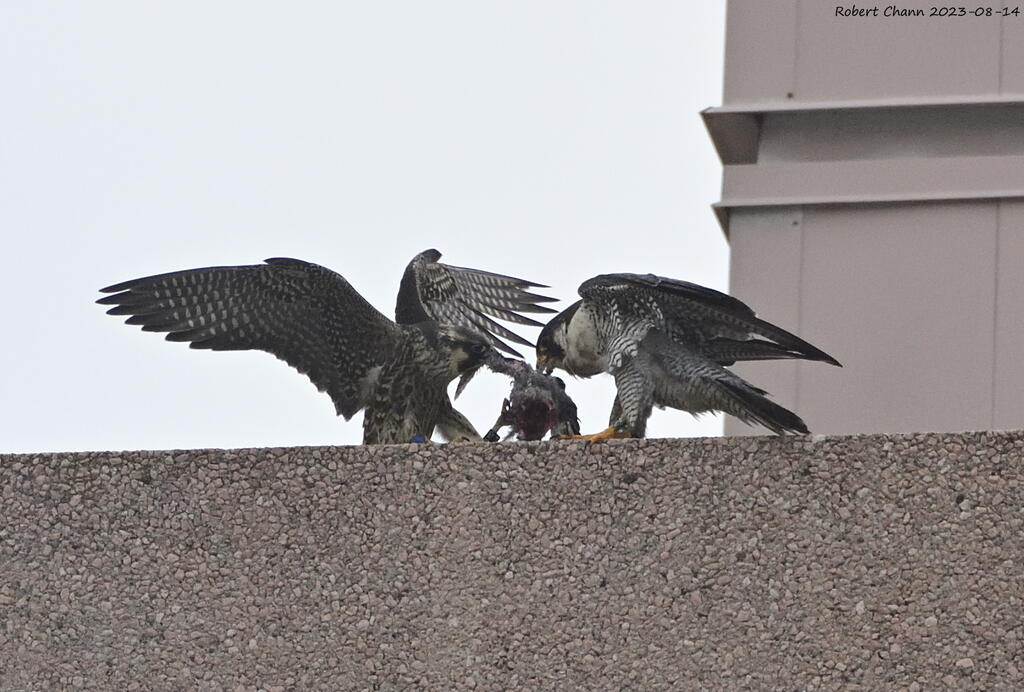
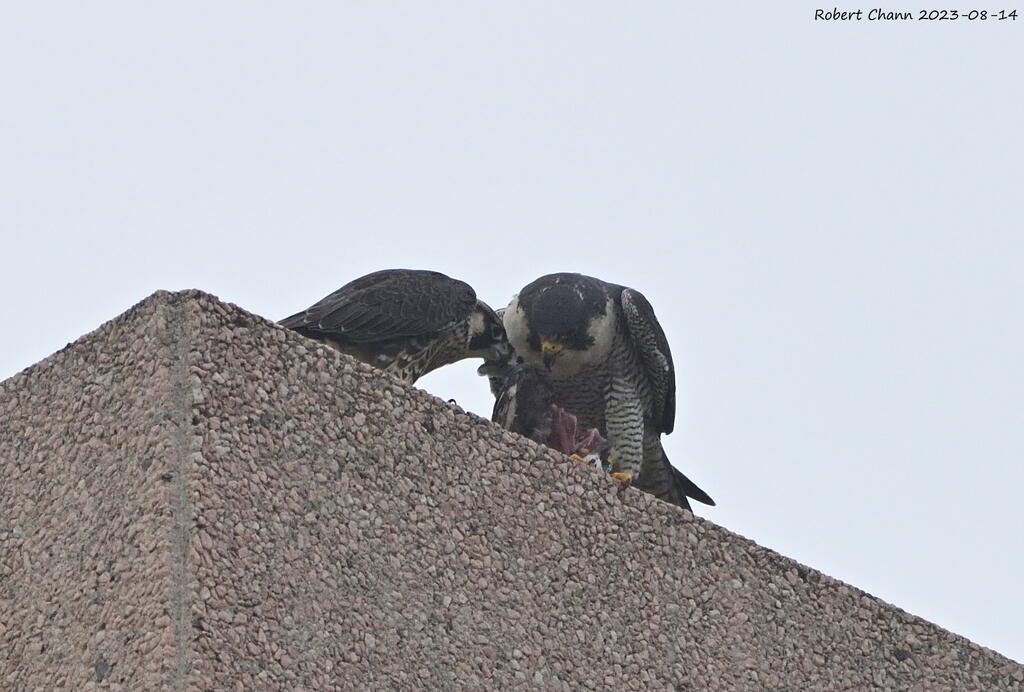
Don Mills Spot check : I headed over on Sunday to see if Valkyrie was there and he was. He was on the rooftop across from the nest building. I was there for only a short time and he sat there the whole time. I went back in the evening and he was at the top of the building across the street. He had a nice crop! I saw him Monday on my way home from work. Ted and Rob went over Monday evening and saw Quest, Canuck and Valkyrie. I got a report on Wed that there was a failed food exchange… Security reported a lot of screaming - he thought at first they were fighting but then saw the food drop to the ground… Oops! He hasn’t been spotted since then. I hope he’s off exploring, having fun…. And that he comes home one more time as I’d love to see him lol. But I know that’s not how it works. But if he does, I’ll sure let you know
Posted on August 18, 2023 10:17 pm